9 Transport
In Azerbaijan, transportation reveals a striking blend of tradition and modernity. Donkey carts and rickshaw-style carts, where the husband pulls the family, coexist alongside sleek Stadler trains and one of the region’s top-rated airlines.
Bicycles remain a rare sight, with motorcycles mainly confined to urban centers. Delivery scooters are common but typically used solo, while some deliveries unfold by bicycle, skateboard, or even on foot. Walking prevails as a practical mode of transport in towns and cities, though locals admit it is often more necessity than choice.
Old Ladas pepper the roads, some surprisingly well maintained, others clearly worn yet seldom abandoned roadside. Despite their reputation among Azerbaijanis for poor quality, these hardy vehicles carry everything from refrigerators and furniture to animal carcasses and construction materials, often packed to capacity with passengers and cargo alike. The humble Lada stands as an uncelebrated workhorse.
In Gabala, a vintage 1998 Lada offered an unforgettable journey. Most dashboard buttons served only as decoration, yet the essentials functioned. The shocks had long surrendered, transforming every road bump into a launchpad. The car swayed awkwardly from side to side, like a confused ballerina. The experience was both a full-body workout and an impromptu comedy performance.
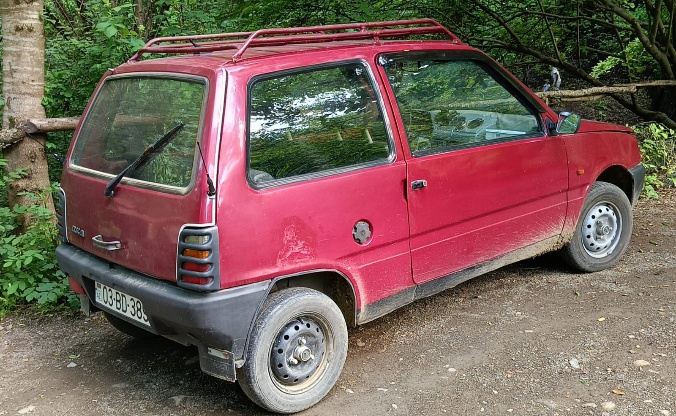
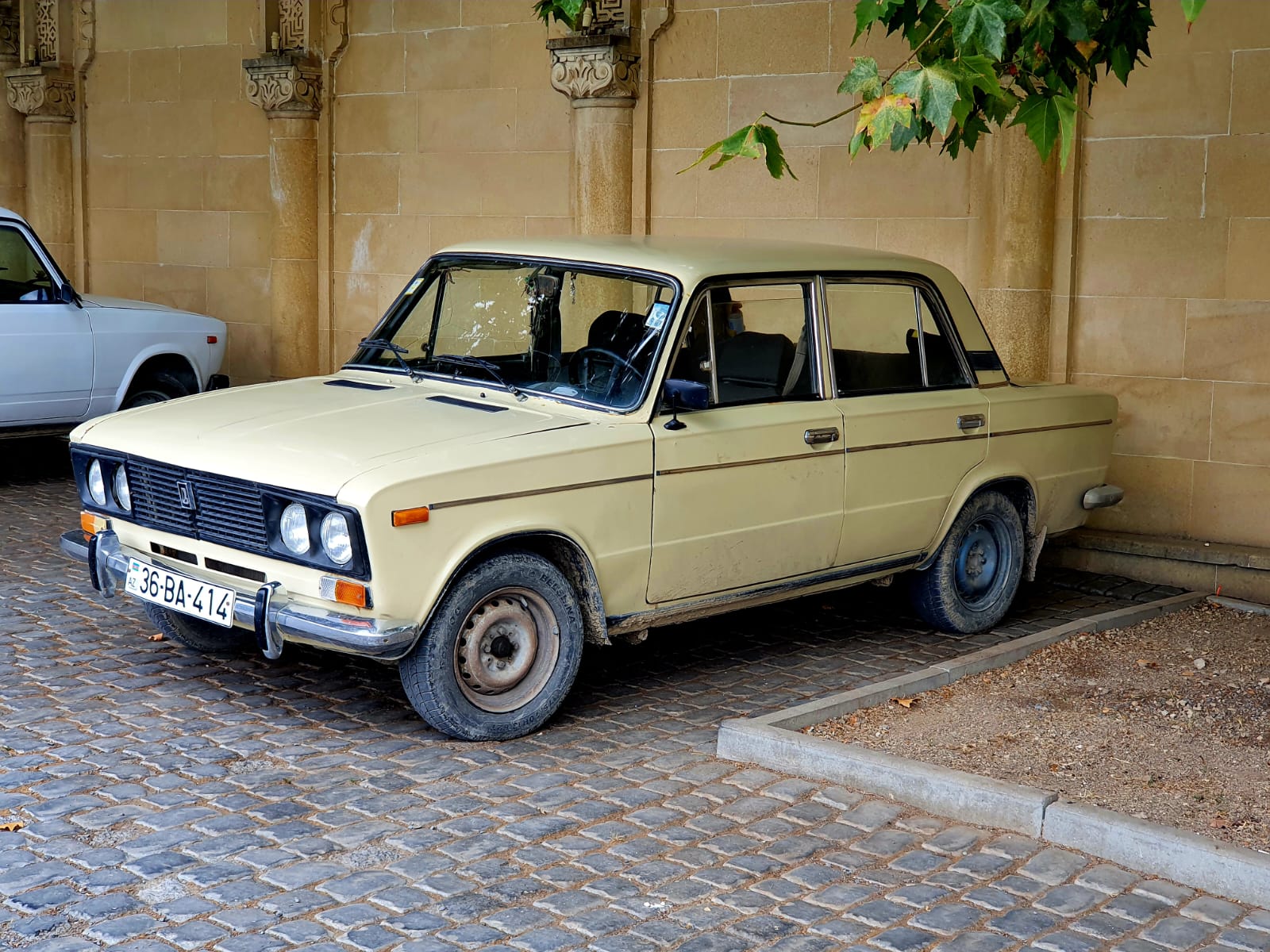
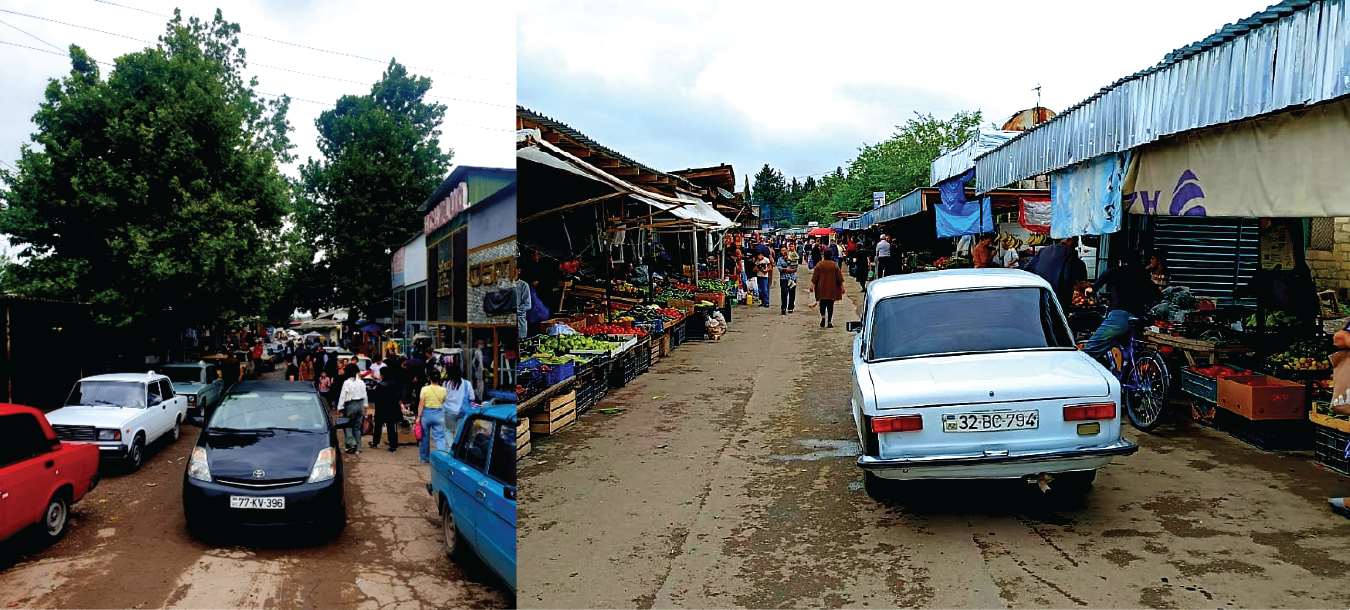
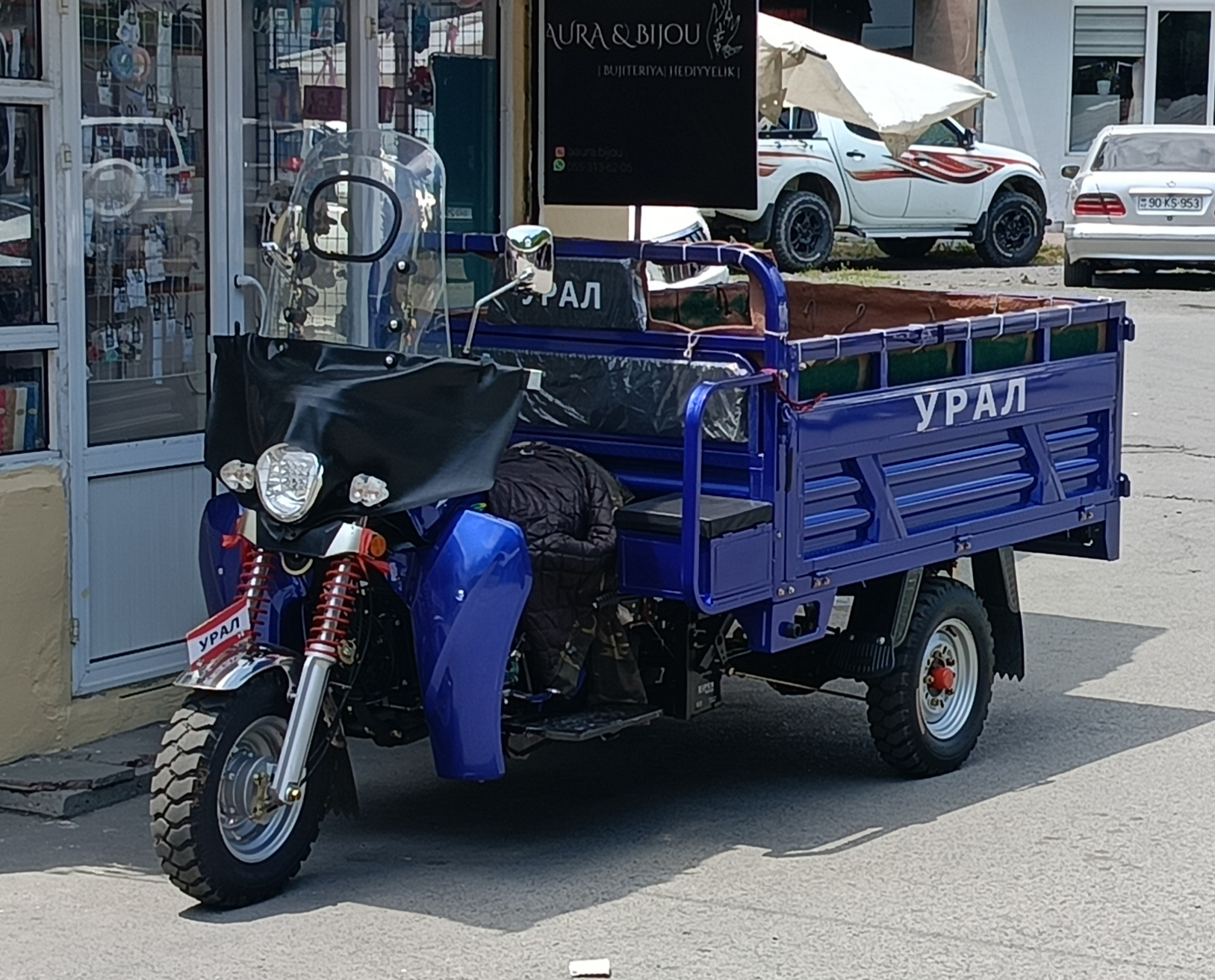
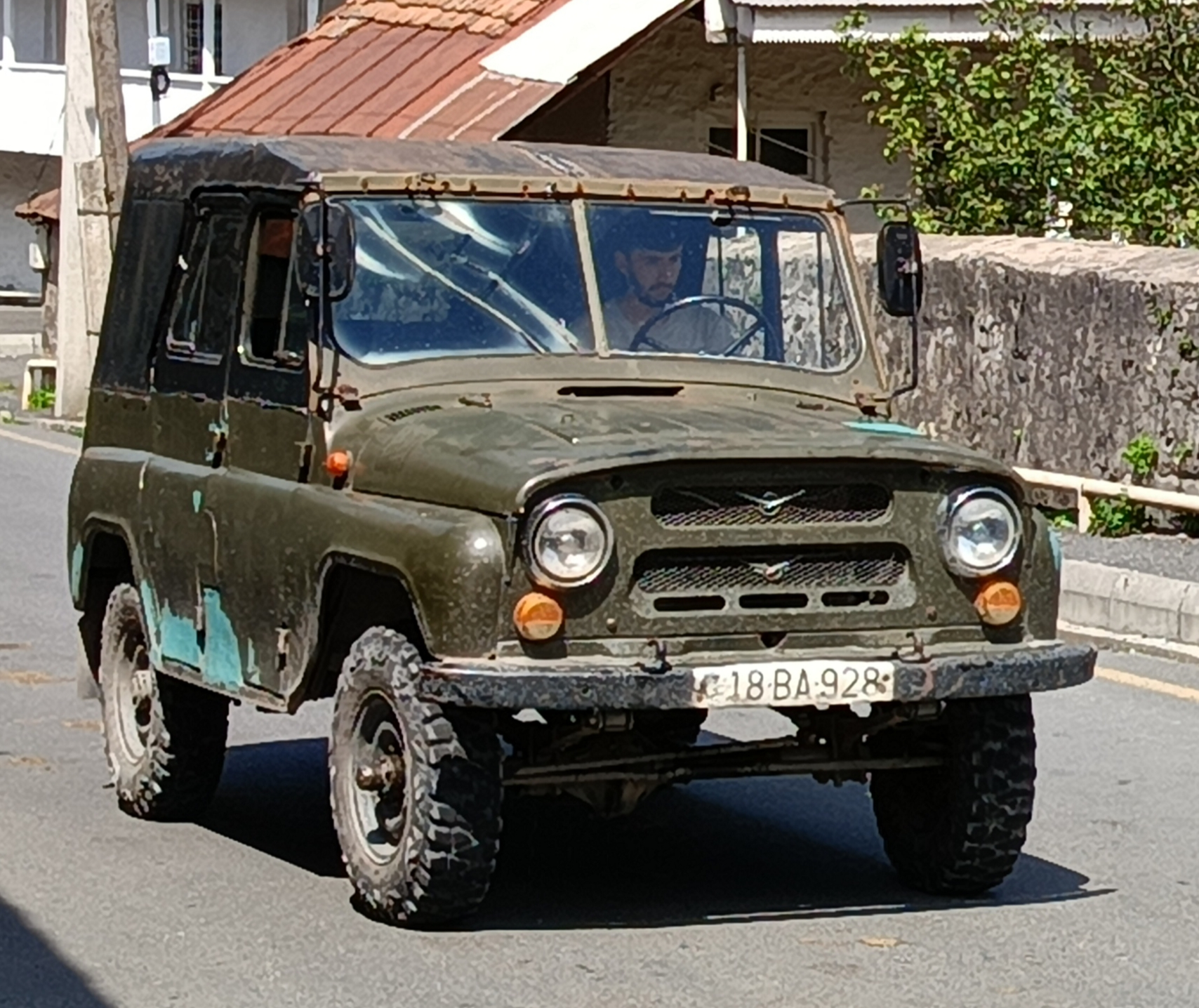
The Lada is also the indispensable vehicle for market work, essential for transporting both passengers and stock to the stall.
Riding the metro trains in Baku presents an experience unlike those found elsewhere. The trains lack the jolting motion common in neighboring countries, yet a surprising noise level persists at times. The idea of researching noise intensity within the carriages and its effects on passengers and drivers emerges as an intriguing prospect, though not yet pursued.
Occasionally, commuters find themselves aboard newer trains equipped with air conditioning, easing the journey even in the height of summer. In contrast, older trains can become stifling, transforming brief rides into tests of endurance. The act of balancing on a moving train evokes memories of childhood waterskiing, where foot placement is crucial to maintaining stability. Navigating a crowded metro, surrounded by strangers and persistent noise, evolves into a unique skill in itself.
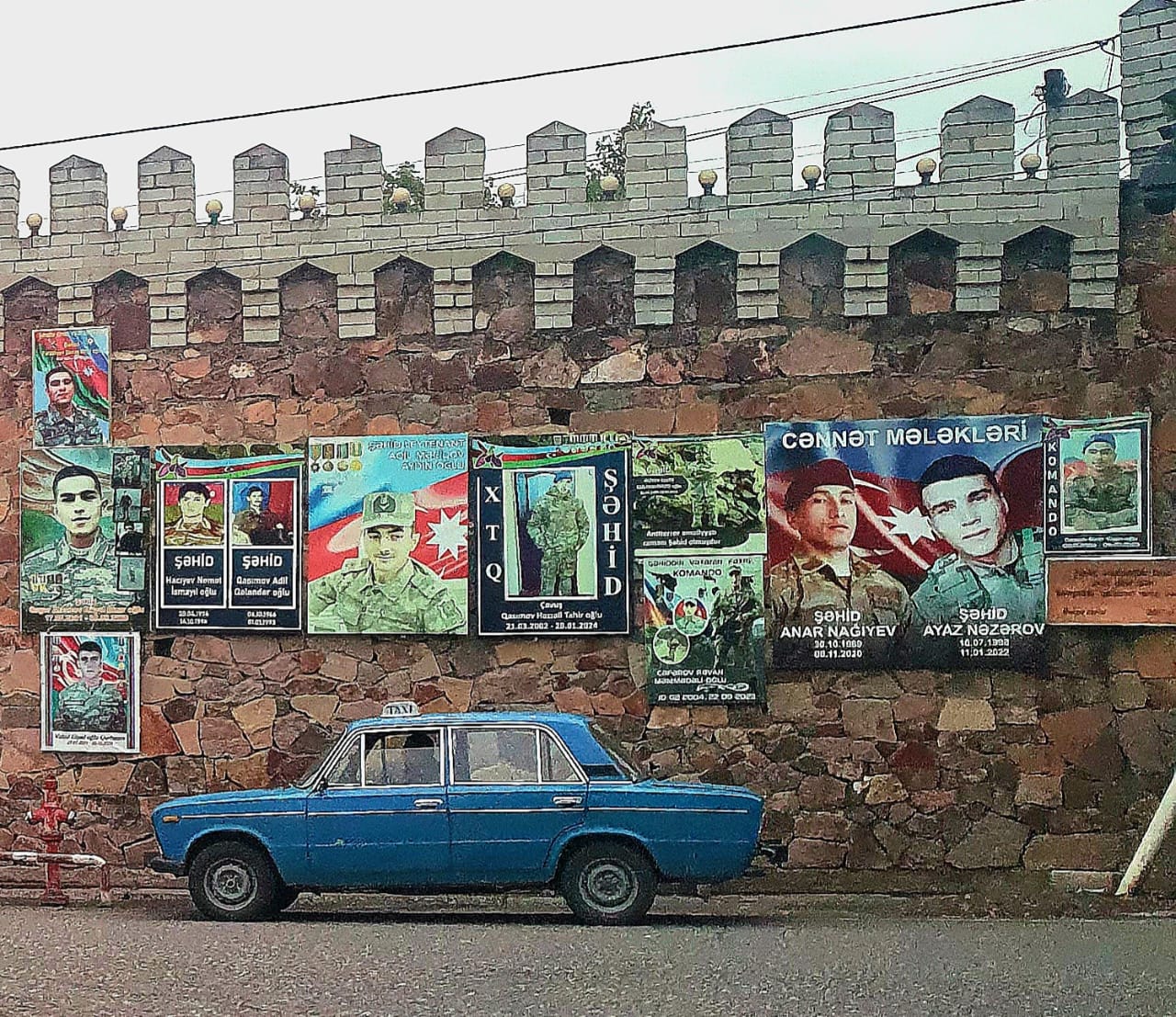
Walls of Remembrance appear in numerous towns and cities across Azerbaijan. These memorial walls showcase photographs of soldiers who lost their lives during the Second Karabakh War in 2020. Typically situated in public spaces such as parks, schools, and near government buildings, the walls offer a solemn tribute to the fallen heroes. Each image is accompanied by the soldier’s name, rank, and hometown, allowing communities to honor their local defenders. These memorials preserve the memory of those who made the ultimate sacrifice and stand as enduring symbols of national pride, unity, and resilience.