3 Azerbaijan as a country
As you travel through Azerbaijan — especially in Baku — a striking contrast reveals itself. Grand, architecturally impressive buildings stand alongside sleek modern developments, together reflecting the country’s deep cultural roots and its evolving aspirations. Often, when we paused to admire the ornate facades of older buildings, we were reminded of cities in Europe — echoes of another era preserved in stone and stucco. It’s this unexpected blend of East and West, past and future, that gives Baku its unique and captivating character.
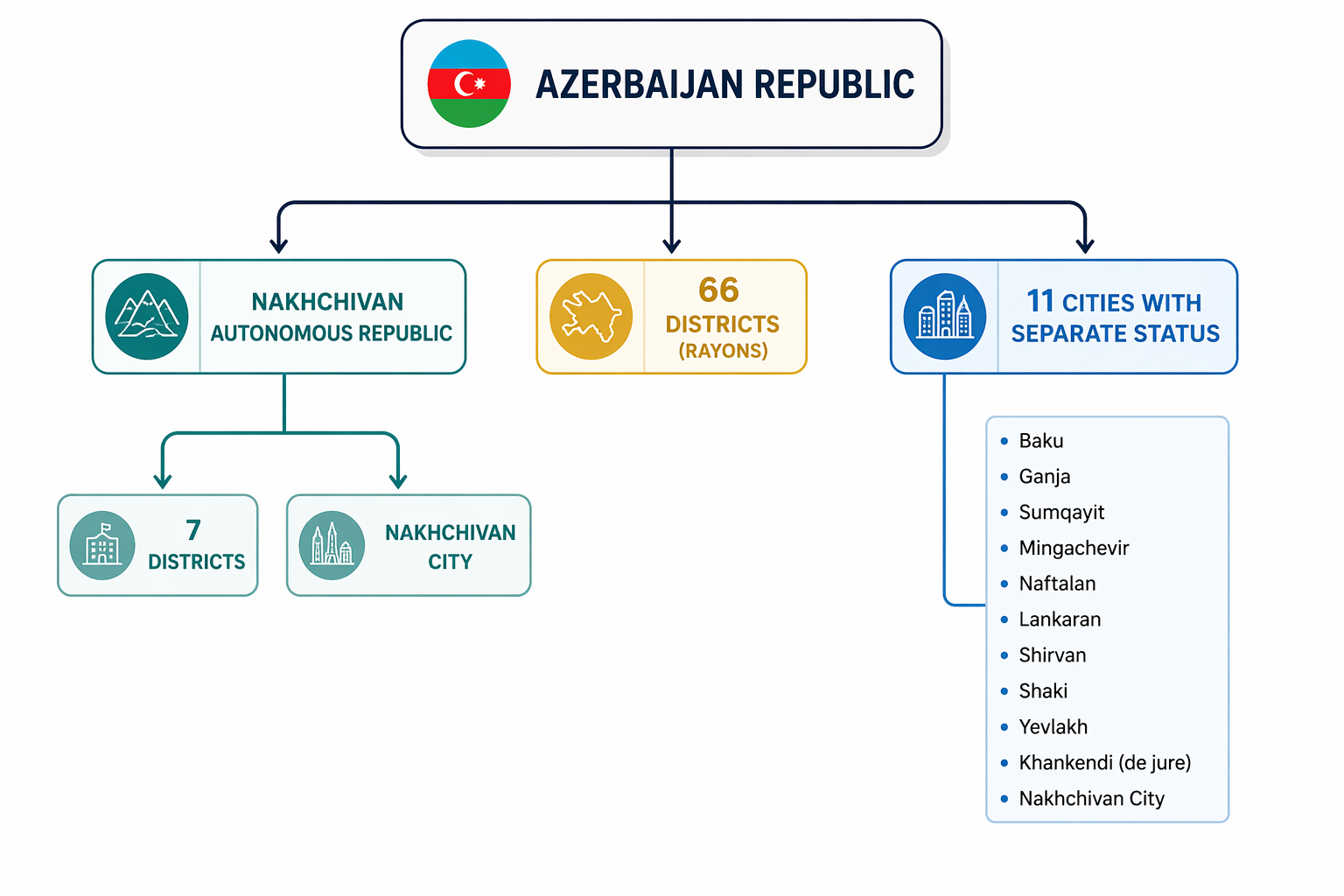
Azerbaijan is divided into 78 administrative units:
- 66 districts (rayons)
- 11 cities (şəhərlər) with separate status (including Baku)
- 1 autonomous republic: Nakhchivan Autonomous Republic, which itself contains:
- 7 districts
- 1 city (Nakhchivan City)
In Azerbaijan, we came across the term “separate status” — a phrase that refers to the administrative independence granted to certain cities. Unlike most towns that fall under the authority of a surrounding district, these cities operate outside that structure. They report directly to the central government, or, in the case of the Nakhchivan Autonomous Republic, to its regional authorities. It’s a reminder that, like its culture and geography, Azerbaijan’s governance structure carries its own unique blend of tradition and pragmatism.
“Separate Status” means
- The city operates as its administrative unit (like a district, but urban).
- It has the same level of governance as a rayon (district).
- It has its mayor, municipal authorities, and budget.
- It does not fall under any surrounding district’s control.
Like many countries, Azerbaijan is divided into administrative units—districts and municipalities—designed to support local governance. On the surface, this seems familiar: France has its departments, Turkey and South Africa have provinces, and the United States uses states and counties. But Azerbaijan’s system carries the imprint of its Soviet past. After the collapse of the USSR in 1991, the newly independent republics, including Azerbaijan, adopted a post-Soviet administrative model. In this framework, local authorities oversee areas such as infrastructure, education, and regional development—yet their actions remain closely monitored by the central government. It’s a structure that reveals much about the balance between local identity and centralized control, still present in the everyday workings of the country.
This system is typically marked by strong executive power, limited local autonomy, and a distinctly hierarchical bureaucracy. In many ways, it reflects a blend of historical continuity and transitional governance—an inheritance from the Soviet era, reshaped by each country’s unique political, cultural, and economic realities. Though often described as centralized, such a model has its strengths: it promotes national cohesion, provides a clear chain of command, and allows for the implementation of long-term development strategies. In Azerbaijan, we saw this structure play out in ways both subtle and direct, influencing everything from infrastructure decisions to daily administrative interactions.
Though smaller in size than many countries, Azerbaijan’s remarkable geographic diversity — from the shores of the Caspian Sea to the peaks of the Caucasus Mountains — makes administrative divisions not only practical but necessary. Each region carries its own cultural rhythms, economic realities, and environmental needs, requiring a structure that can respond to the distinct character of its varied landscapes.
Exploring Azerbaijan feels like opening a box of hidden treasures — each step revealing something unexpected, something quietly enchanting. Even the most seasoned traveller might find themselves surprised. From the lush, mist-covered slopes of the Talysh Mountains in the south to the rugged grandeur of the Minor and Central Caucasus ranges, the country unfolds in layers of striking contrast. It offers not just a journey, but a discovery — a landscape as diverse and surprising as the culture woven through it.
Remarkably, Azerbaijan contains 9 of the world’s 11 climate zones, according to the Köppen-Geiger classification system — a rare concentration that helps explain the country’s astonishing ecological and geographic variety.
This remarkable diversity is due to the country’s unique geography, which includes:
- The Caspian Sea (eastern coast)
- The Greater and Lesser Caucasus Mountains
- Lowland plains and semi-desert areas
The main climate types found in Azerbaijan include:
- Semi-arid (steppe)
- Arid (desert)
- Temperate dry summer (Mediterranean-like)
- Humid subtropical
- Continental dry summer
- Continental humid
- Cold semi-arid
- Mountain tundra
- Alpine ( highland)
This extraordinary range of climates supports a rich mosaic of vegetation, agricultural activity, and biodiversity — all within a territory smaller than many European countries. The Caspian Sea, a defining feature of Azerbaijan’s eastern border, sits roughly 28 meters (about 92 feet) below sea level. Its surface, however, is not fixed. Over the years, it has risen and fallen with shifting environmental conditions, and recent reports suggest a troubling trend: the sea is now at one of its lowest recorded levels, possibly nearing 29 meters below sea level. It’s a quiet but powerful reminder of the region’s delicate ecological balance — and of how nature, like culture, is always in motion.
The Caspian Sea — vast, shimmering, and ever-present along Azerbaijan’s eastern edge — is the largest inland body of water in the world. Often described as both a massive enclosed lake and a full-fledged sea, its dual identity reflects the unique character of the region itself. Spanning roughly 371,000 square kilometers — about the size of Japan — the Caspian holds an estimated 78,200 cubic kilometers of water, a staggering volume that earns it a place among the great inland waters of the Earth.
Its salinity, around 1.2%, is noticeably milder than ocean water — about one-third as salty — lending the sea a softness that lingers on the skin and in memory. To the east lies the hypersaline Garabogazköl lagoon, excluded from official surface calculations but forming part of the greater ecological story. Standing on its shores, it’s difficult not to feel small — and humbled — before its sheer scale and quiet mystery.
Garabogazköl, a strikingly saline lagoon on the eastern fringe of the Caspian Sea in Turkmenistan, is one of the region’s most unusual natural features. Its salinity surpasses even that of the Dead Sea, making it a surreal landscape where water evaporates rapidly, leaving thick crusts of salt behind. Acting as a natural evaporation basin, it once served as a major site for salt extraction—particularly during the Soviet era, when its mineral wealth was exploited on an industrial scale. Despite its environmental and scientific significance, Garabogazköl remains largely out of reach. Access is restricted, requiring special permits and careful planning, due to its remote location and Turkmenistan’s strict travel regulations. For now, it remains one of the Caspian’s most enigmatic and elusive wonders — more often studied than seen.
The Qarabağ horse, graceful and resilient, is the national animal of Azerbaijan and a proud symbol of the Ağdam and Sheki districts. More than just a breed, it represents strength, heritage, and the enduring spirit of a nation that has weathered both history and hardship.
Villages in Azerbaijan
According to the State Statistics Committee, Azerbaijan is home to more than 4,246 officially recognized villages — many of them remarkably small, tucked quietly into the folds of mountains or scattered across wide plains. These villages, often overlooked on maps, hold the heart of rural life in Azerbaijan, where traditions endure and the pace of life remains beautifully unhurried.
Azerbaijan’s villages vary widely in size and character. While 129 of them have fewer than 50 inhabitants—quiet hamlets where life unfolds slowly and intimately—97 villages boast populations of over 5,000, including six located in the autonomous republic of Nakhchivan. This contrast speaks to the country’s diverse settlement patterns, shaped by geography, history, and shifting demographics.
Regrettably, our demanding work schedules left us little time to explore many of Azerbaijan’s more remote and fascinating villages. Yet over the past three years, we’ve come to understand just how rewarding such journeys can be. Each village has its own identity, often revealed through its food — traditional recipes passed down through generations, shaped by local ingredients and customs. A local once told me of a village where a beloved dish is made using a rusted nail, believed to enhance the flavor — a story as curious as it is unforgettable. Tales like these are scattered across the country, waiting to be discovered by those willing to wander off the beaten path.
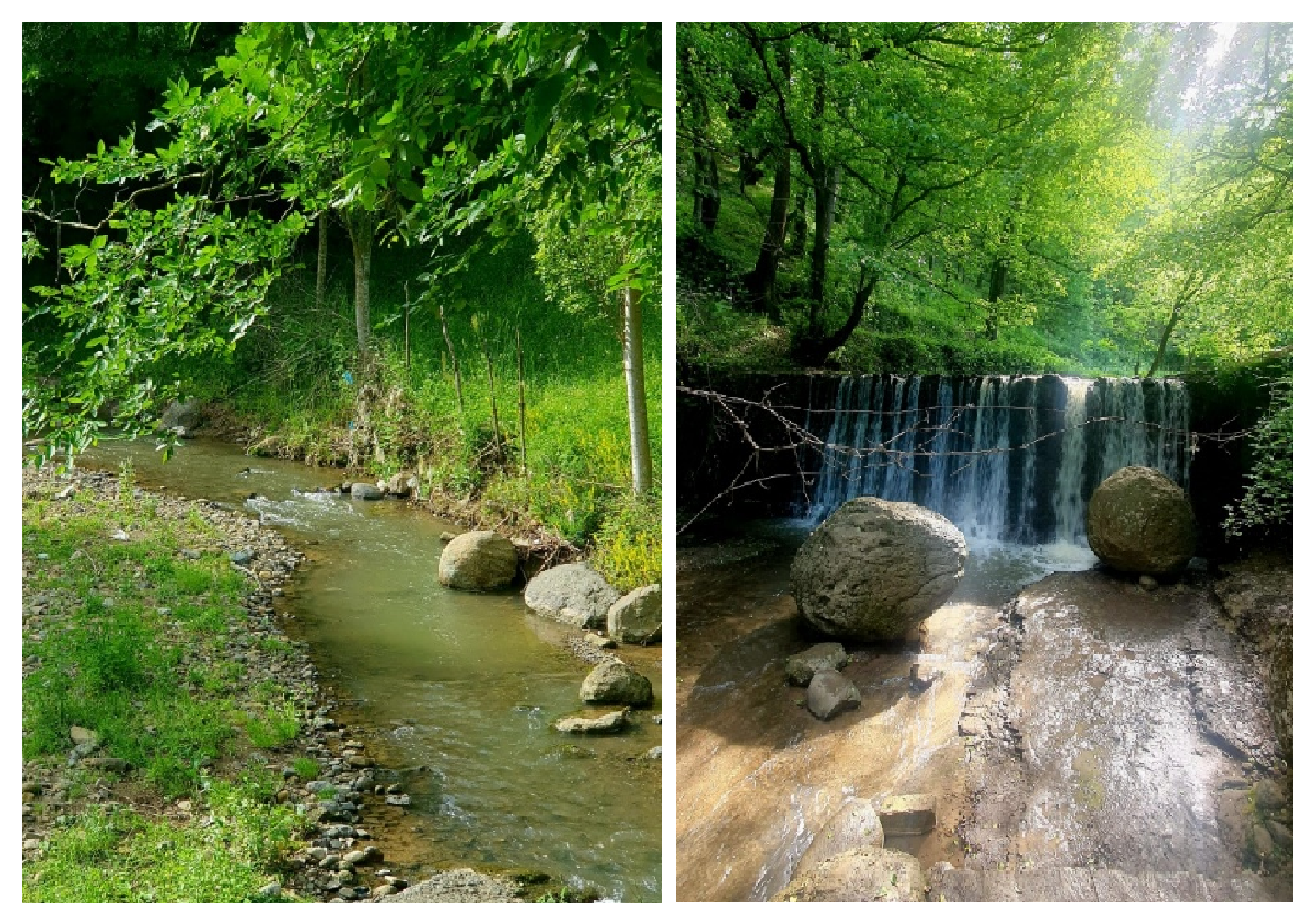
One such place that continues to capture the imagination is the mountain village of Lerik, famed not just for its breathtaking landscapes but for the remarkable longevity of its residents.
Lerik
Lerik, often called “The Land of Centenarians,” left a lasting impression on us — a village renowned for the remarkable number of residents who live well beyond a hundred. Researchers have attributed this longevity to a combination of factors: the clean, crisp mountain air; a diet of natural, locally grown food; the physical activity built into daily routines; and the strong sense of community and family support that shapes village life. It’s a reminder that longevity, here, is not just about medicine — it’s about lifestyle, connection, and harmony with nature.
Lerik even has a Museum of Centenarians to honour its long-lived residents.
Perched high in the majestic Talysh Mountains, the tranquil village of Lerik is a place of striking natural beauty — a landscape woven from lush forests, flowing rivers, and cascading waterfalls. The crisp mountain air, mineral-rich waters, and abundance of native plants are all believed to have healing properties, contributing to the exceptional longevity of its people. Once part of the historic region of Zuvand, the area has been known as Lerik since 1937. Reaching it is no easy task; visitors must navigate narrow, serpentine roads that wind precariously along the slopes — a journey as dramatic as the scenery itself. Life here is rooted in tradition, with agriculture and cattle breeding remaining central to the local economy. What makes Lerik especially fascinating is its extraordinary climate diversity: depending on elevation and terrain, the region hosts five distinct climate types. Soviet biologists from Leningrad (now Saint Petersburg), who conducted expeditions here between 1965 and 1970, famously remarked on its almost otherworldly character — a place where the weather seems to change every few kilometers, and nature offers surprise after surprise.
To honour this extraordinary phenomenon, Lerik is home to the one-of-a-kind Museum of Longevity — a modern architectural gem nestled in the mountains. Inside its two exhibition halls, the museum houses over 2,000 artifacts: photographs, personal documents, and the life stories of more than 50 villagers who reportedly lived beyond 100. Among the most legendary is Shirali Muslimov, from the nearby village of Barzavu, who is said to have lived to the remarkable age of 168. Whether myth or truth, his story captures the spirit of Lerik — a place where time stretches gently, and life is measured not just in years, but in quiet endurance and connection to the land.
Eager to uncover the secret behind Lerik’s legendary longevity, we delved into existing research that points to a powerful blend of environmental and lifestyle factors. Residents live at high altitudes—around 1,500 to 1,600 meters above sea level—breathing pure, mineral-rich mountain air and drinking ice-cold water drawn from pristine springs. Their daily lives are marked by physical activity that challenges the body just enough without causing exhaustion, and their diet reflects the region’s diverse flora, offering rich, natural nutrition. But perhaps most striking is their philosophy: “We only live once, but if we do it right, once is enough.”
Research also reveals that stress plays a minimal role in their lives. Lerik’s centenarians exhibit remarkable psychological resilience, characterized by emotional stability, optimism, and a strong internal locus of control — a belief that they shape their own destinies rather than being passive victims of circumstance. These traits help them maintain low anxiety levels and a calm, sociable temperament, enabling them to manage stress effectively. Living in a tranquil rural environment far removed from the pressures of city life further supports their well-being. Together, these personal and environmental factors form a powerful shield against chronic stress, contributing to the long, healthy lives so common in Lerik.
During our visit to the Museum of Longevity, we were fascinated by the displays of dried herbs and spices—locally gathered treasures believed to contribute to the villagers’ health and longevity. Although photography was not permitted inside the exhibition halls, this only added to the sense of reverence surrounding these ancient traditions. It felt like a quiet invitation to fully immerse ourselves in the moment, appreciating the stories and knowledge shared without distraction. This respectful atmosphere deepened our connection to the place and the wisdom it preserves.
Interestingly, the museum took its rules seriously—there was even a policeman on duty inside to ensure that no photographs were taken. Far from feeling restrictive, this added to the solemnity and importance of the place, underscoring how deeply the community values and protects its unique heritage.
Khinalig
Another breathtaking village is Khinalig (also spelled Khinaliq or Khinaluq), perched high in Azerbaijan’s Guba region amid the rugged peaks of the Caucasus Mountains. One of the world’s highest and most ancient continuously inhabited settlements, Khinalig’s isolation and harsh climate present daily challenges to its residents. Unlike Lerik’s nurturing environment, Khinalig has seen many of its younger generations leave in search of opportunities elsewhere, leaving behind a smaller, aging population.
While Khinalig enchants with its deep-rooted culture and breath-taking remoteness, Lerik offers a different kind of sanctuary — a harmonious blend of nature, lifestyle, and community that fosters longevity and well-being.
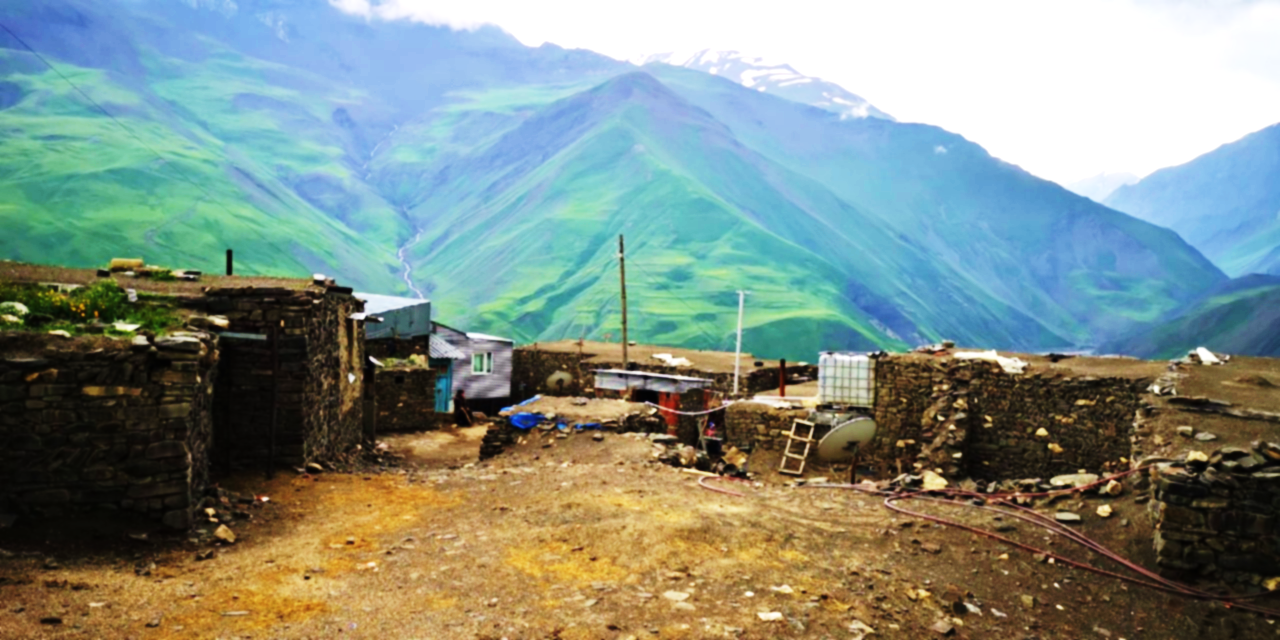
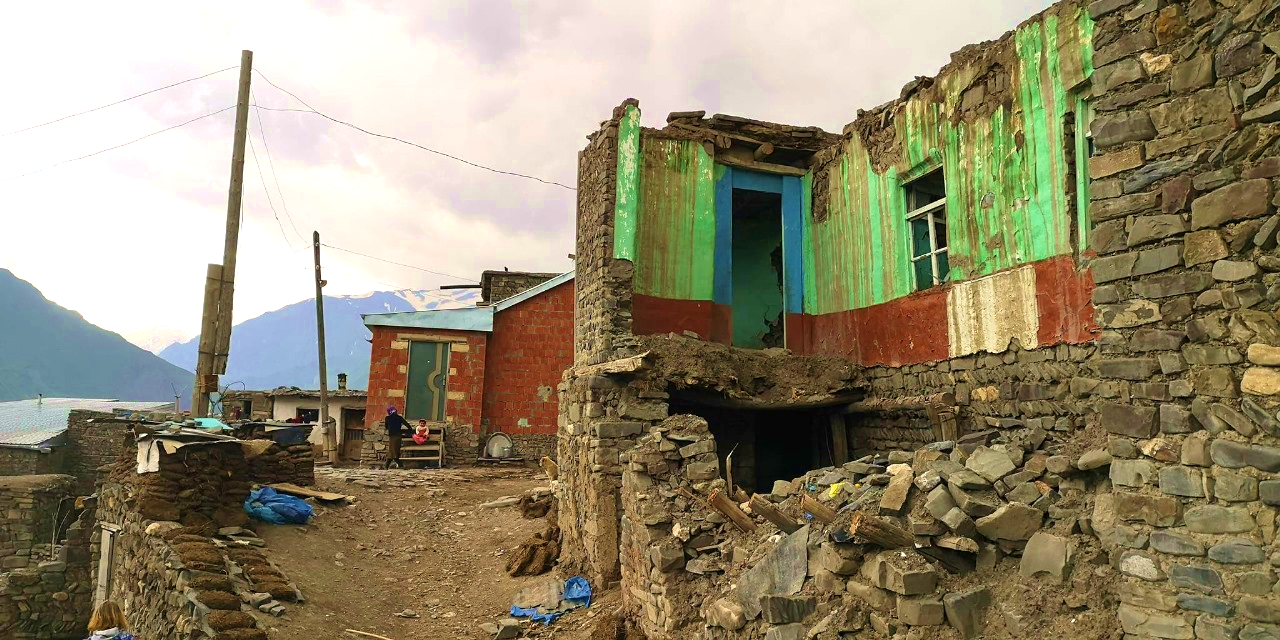
During one of our many excursions, we stumbled upon the enchanting village of Khinalig, with its traditional stone houses and rich cultural heritage nestled high in the Caucasus. Perched at around 2,350 meters (7,710 feet) above sea level, the journey there was filled with surprises. Our ascent was smooth at first, but on the return trip, a sudden storm transformed the road into a nearly impassable challenge. Along the way, we paused in a forested area where locals gathered to listen to traditional music and unwind — a reminder of how deeply connected Azerbaijanis are to their natural surroundings.
Our next stop before reaching Khinalig was Eagle Peak, near Quba, famous for its striking silhouette resembling an eagle’s claw or five fingers. It’s a place where you can often spot eagles soaring overhead, adding to the drama of the landscape. This scenic vantage point serves as a natural prelude to Khinalig itself — Azerbaijan’s highest and most remote village.
Khinalig is renowned not only for its breathtaking setting but also for its unique language, culture, and distinctive terrace-style stone architecture — a living window into a way of life preserved for millennia. The village is home to the endangered Khinalug language and maintains enduring traditions like sheep herding and seasonal transhumance. Recognizing its cultural and natural importance, Khinalig and the Köç Yolu transhumance route were inscribed on the UNESCO World Heritage list in 2023. Visitors can explore traditional homes, a local ethnographic museum, historic mosques, and breathtaking mountain trails, making Khinalig a truly remarkable destination for those seeking authenticity, history, and natural beauty.
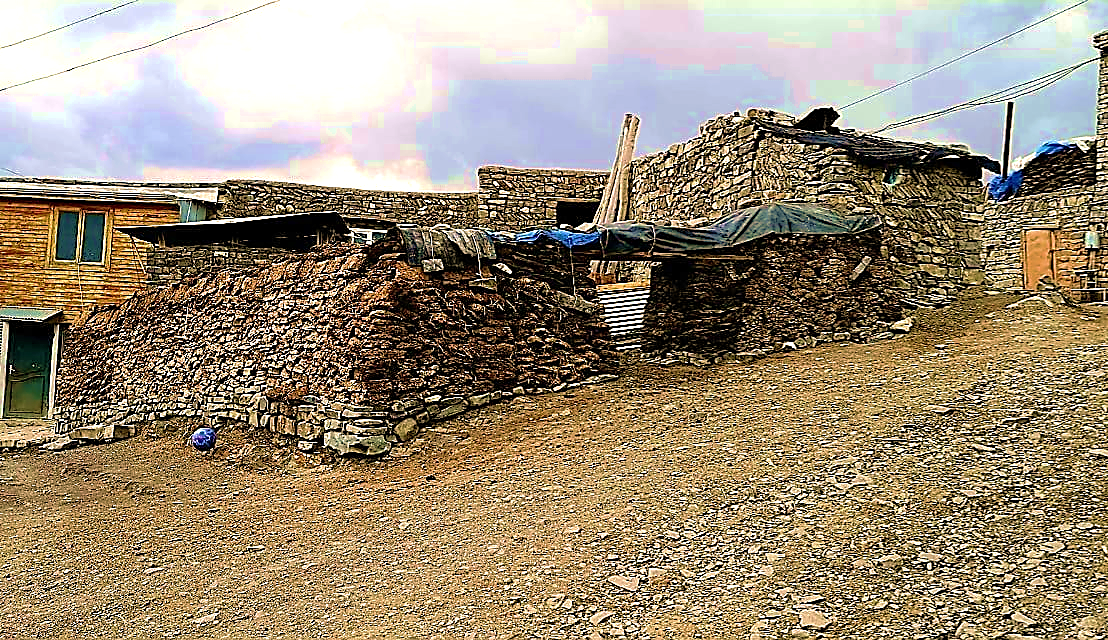
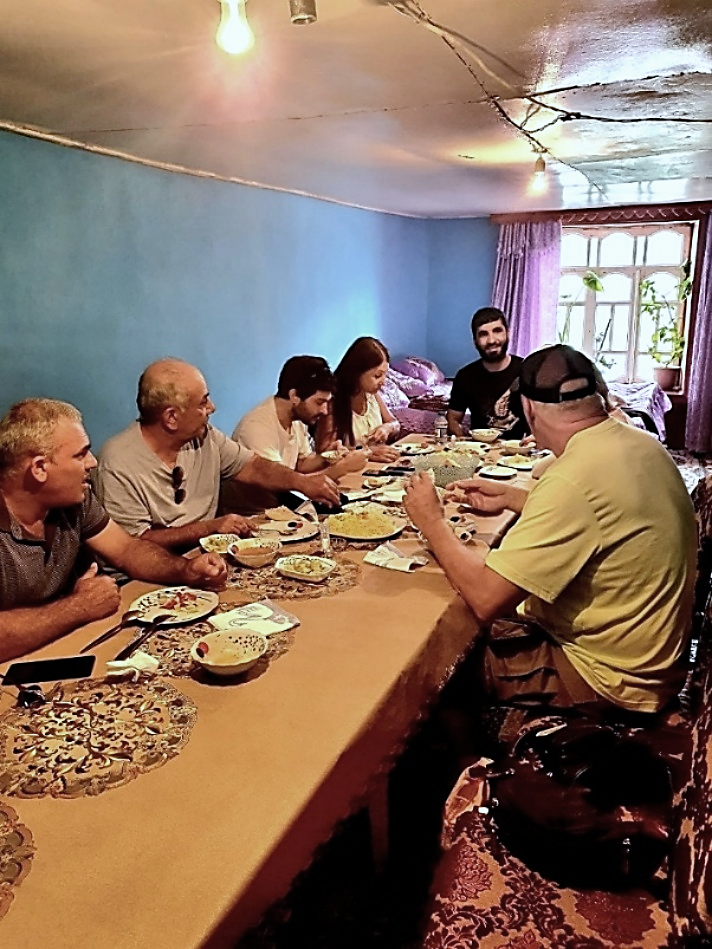
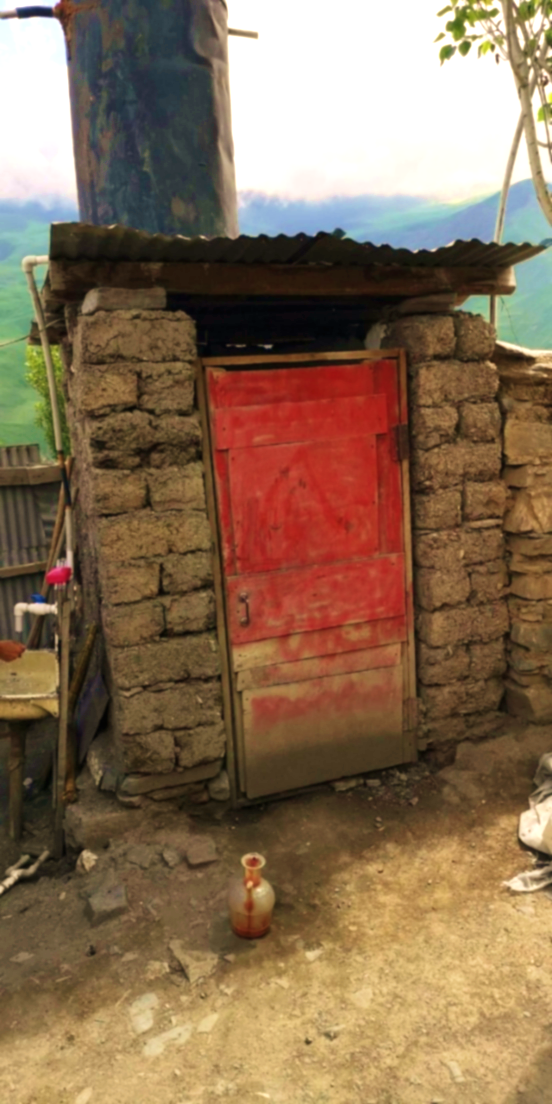
The toilet was located outside, which made me wonder how the family manages during the harsh winter months when temperatures drop dramatically. It’s these small glimpses into daily life that remind you of the resilience and adaptability of people living in such remote mountain villages.
Being almost two meters tall, I found it quite a challenge to fit comfortably inside the outdoor toilet, which was a typical Muslim-style squat facility. It was a humbling reminder of how everyday necessities vary widely across cultures—and how adaptability becomes part of the experience when living in remote places like this.
Interestingly, even in this small village of around 2,000 residents, education remains a vital part of community life. The R. Kalbiyev Khinalug Village Secondary School, established in 1926, now serves 312 students, offering education through the secondary level. In addition, a boarding school built in 2008 accommodates up to 300 students, with dormitories for about 50 youngsters, alongside facilities such as a sports hall and a medical office. What makes this school truly unique is its commitment to preserving the local Khinalug language — taught as a mother tongue in the early grades (1–4) through a specially developed curriculum. This dedication reflects the village’s strong desire to maintain its linguistic and cultural heritage amid a rapidly changing world.
Asrikdzhirdakhan (Əsrik Cırdaxan )
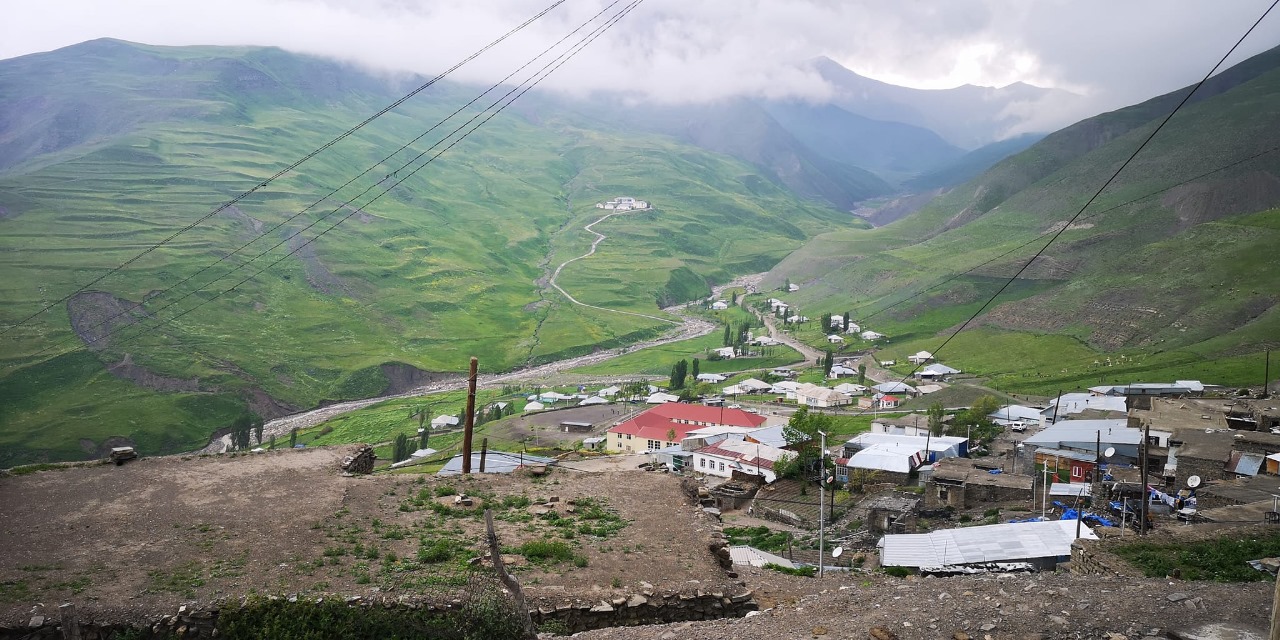
About 35 kilometers from Tovuz lies the picturesque village of Əsrik Cırdaxan, nestled close to the Armenian border in a region marked by both natural beauty and historical tension. Though peaceful today, this village witnessed intense fighting between July 12 and 16, 2020—one of the most serious border clashes since 2016, occurring far from the more well-known Nagorno-Qarabağ conflict zone. The hostilities caused damage to over 35 homes and disrupted essential services like gas, electricity, and community infrastructure. Visiting such a place, where the landscape speaks of resilience as much as it does of hardship, leaves a lasting impression—one that goes beyond headlines and statistics.
The threat did not end in July; artillery shelling and skirmishes continued later that year, casting a long shadow over the region. Today, memorial boards honoring fallen soldiers line the roadside — quiet sentinels of remembrance that mark the cost of conflict. As you drive through the serene and scenic village of Əsrik Cırdaxan, it’s almost impossible to reconcile its present calm with the violence it once endured. The road now feels untouched by war: buses stop to collect waiting passengers, and stray dogs lounge peacefully in the sun. Life has returned, slowly and steadfastly — a quiet testament to the resilience of those who call this place home.
Shamakhi
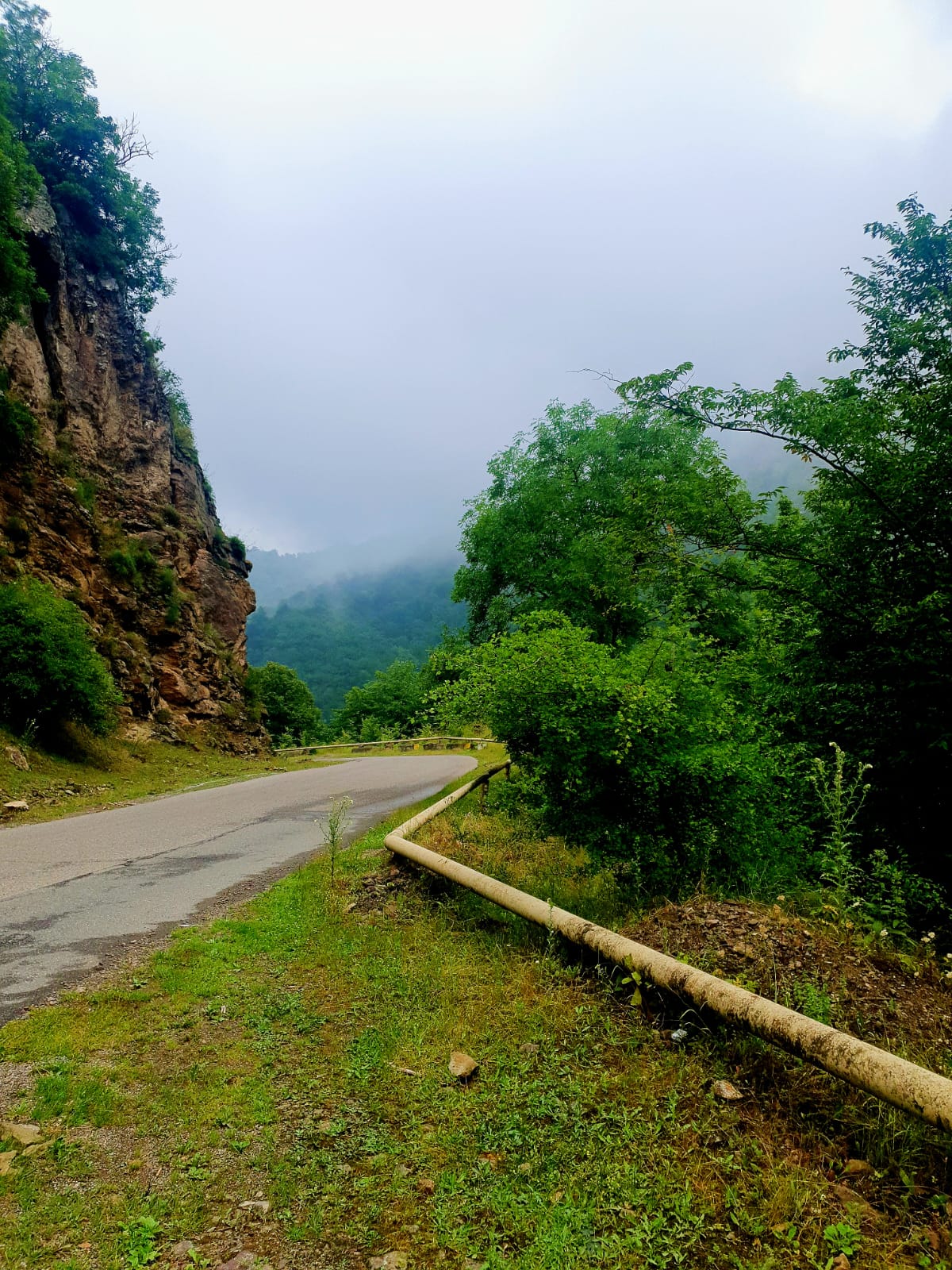
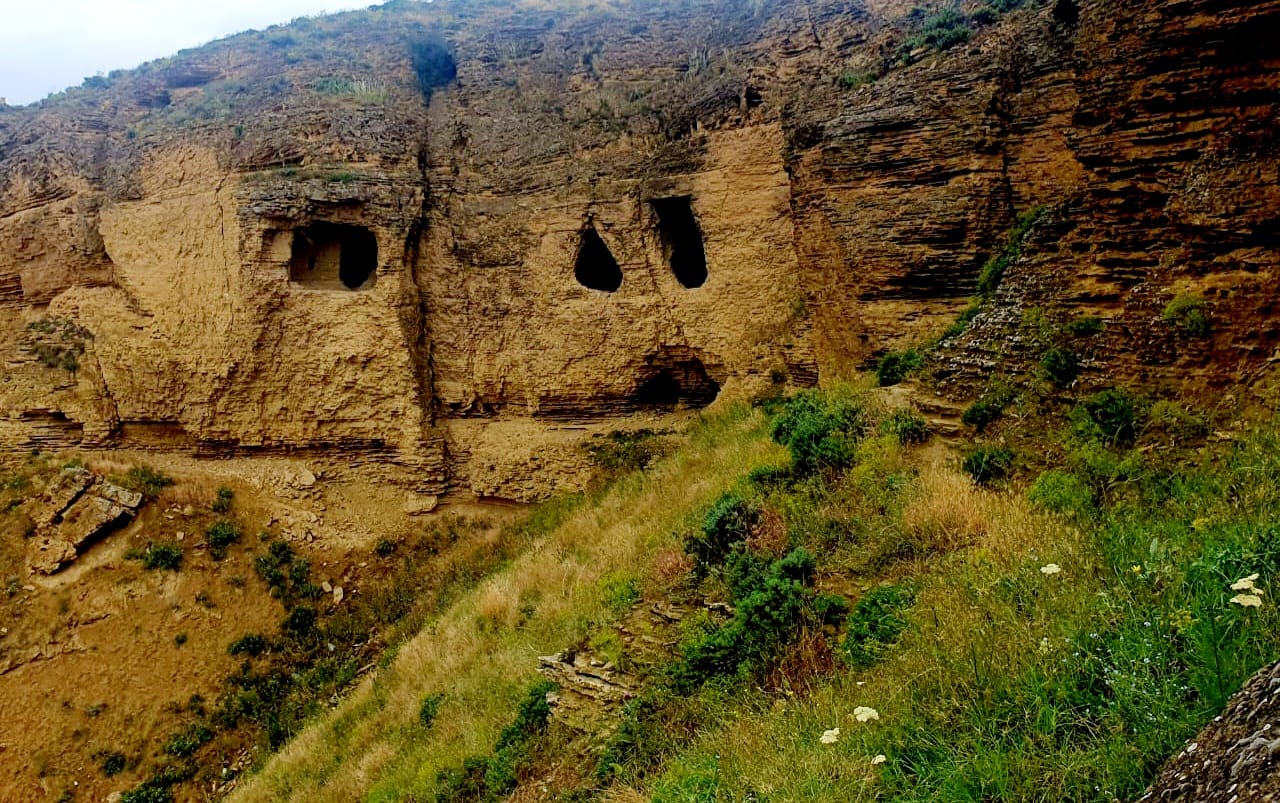
On our way to Gabala, we paused to take in the beauty of another remarkable place: Shamakhi, located about 122 kilometers west of Baku. As one of Azerbaijan’s oldest cities, dating back to the 6th century, Shamakhi is steeped in history — but it was a lesser-known feature that truly captured our imagination. Nestled in the Greater Caucasus Mountains are the shepherds’ caves, natural rock shelters that speak to centuries of seasonal migration and survival. For generations, local shepherds brought their flocks to these highlands during the summer months, using the caves as protection against harsh weather and predators. Perched on steep cliffs, the caves not only provided shelter but also a strategic view of the surrounding terrain. Today, they stand silent yet powerful — enduring reminders of a pastoral way of life that helped shape the cultural identity of the region. While they may not appear in glossy travel brochures, the shepherds’ caves offer a raw, authentic encounter with Azerbaijan’s living heritage and the quiet resilience of its people.
Shamakhi is a captivating destination where history, culture, and natural beauty come together in perfect harmony. Wandering through its storied landscape, visitors can explore timeless landmarks like the ancient Juma Mosque, the gracefully weathered Yeddi Gumbez tombs, and the mystical Diri Baba mausoleum — each echoing tales of the city’s layered past. The remnants of the old fortress whisper of a time when Shamakhi stood as a strategic stronghold, while the Shamakhi Carpet Museum offers a vibrant window into the region’s celebrated weaving tradition. Just outside the city, the Astrophysical Observatory draws those with an eye to the stars and a curiosity for science. Surrounded by the breath-taking expanse of the Greater Caucasus Mountains, Shamakhi is also a haven for nature lovers, offering scenic hiking trails and fresh, locally sourced cuisine that embodies Azerbaijani hospitality. Taken together, these experiences make Shamakhi not just a place to visit, but a place to feel — a destination that leaves both memory and meaning.
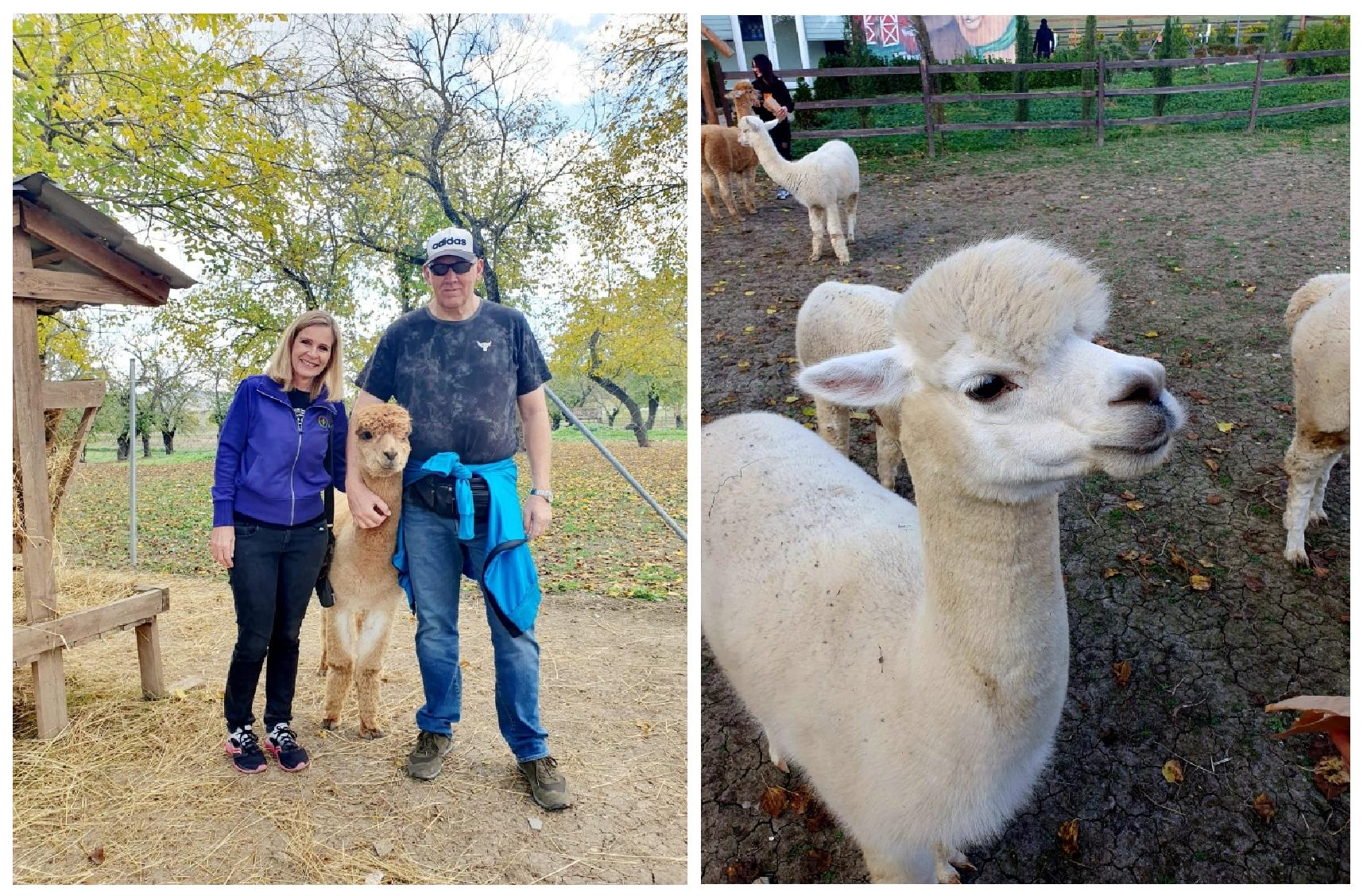
To our surprise, llamas can also be found in Shamakhi — not something one might expect in the Azerbaijani countryside. They reside primarily at the Shamakhi Safari Park and the Alpaca Azerbaijan farm in Meysari village, where both llamas and alpacas have been introduced from abroad and have adapted remarkably well to the local environment. We visited the farm early one morning on our way to Sheki, and observing these gentle, curious creatures in such a serene setting was a quietly memorable experience. Standing among them in the soft morning light, it felt as though a small piece of the Andes had been tucked into the hills of Azerbaijan — an unexpected blend of worlds that somehow made perfect sense.
Gala (Qala)
Hövsan
Hövsan (also spelled Hovsan/Govsan) is no longer considered a traditional village. It is now classified as an urban-type settlement (or municipality) within the Surakhany District of Baku, Azerbaijan. The first impression is difficult to put into words. Somehow, it is slightly different from other villages. Here you will find animals being slaughtered on the sidewalk, which I have not noticed in the few other villages I have visited. Raw chicken meat is being displayed in crates on the pavement, ready to be sold to customers walking by, as well as fish. Coming from a strict food safety culture and teaching this to eager students, it is often difficult to accept that people do not get sick from these procedures, or that no one ever discusses it. After a while, as the days go by, I realised that you can almost find anything in this village. There is a mall, however, not in the same terms as what you would find in a city.
Lekit Village (Qax rayonu)
On our way to Qax, we passed several small villages nestled in dense, lush greenery. Regrettably, we didn’t take the time to stop and explore these inviting landscapes. Still, I noted down a few village names to research later. One that stood out was Lekit.
According to my sources, Lekit is home to Api Delta, a renowned family-run beekeeping farm founded by Badraddin Hasratov, a former shepherd, and now operated with his sons—true masters in the world of apiculture. What began as a modest family pursuit has blossomed into a thriving operation of over 300 bee colonies. Their colorful wooden hives, scattered like vibrant gems across the surrounding meadows, offer a picture of both productivity and harmony with nature.
But Api Delta is more than just a honey farm—it is also a hub of education and tradition. Visitors are invited to walk among the hives, observing both modern beekeeping techniques and historical methods, which are thoughtfully preserved in a small open-air museum along the woodland edge of the property.
Since 2022, the Hasratov family has offered interactive honey-making workshops, allowing guests of all ages to engage in the full process—from hive to jar. To deepen the experience, they have opened a guesthouse with rustic yet cozy cottages, providing the perfect base for those who wish to immerse themselves in the rhythm of rural Azerbaijani life.
Api Delta is also the home of Bahar, a talented artisan and family member who leads jam-making masterclasses. Using fruits, herbs, and flowers from her expansive organic garden, Bahar crafts traditional jams, pastries, and natural remedies. Her culinary skills and commitment to fresh, locally-sourced ingredients have earned her a reputation that stretches well beyond the village.
Qum
Hidden within the quiet forests of Qax, the Basilica of Qum stands as a silent witness to centuries gone by. Known locally as the Qum Bazilikası, this ancient stone structure tells the story of early Christian worship in Azerbaijan, its weathered walls merging harmoniously with the surrounding wilderness. Though time has softened its features, the basilica retains a quiet dignity—its understated elegance and enduring presence evoking a sense of reverence. It feels like a forgotten chapter of history, patiently waiting to be rediscovered by those with a curious spirit and a love for the past.
Güllük
Sarıbaş
Perched high on a plateau, 1,602 meters above sea level in the Caucasus Mountains, lies Sarıbaş—a village so remote that it’s sometimes cut off entirely by a fierce, fast-flowing river. Even when the path is open, reaching this secluded mountain haven demands a determined 4×4 ascent over rugged terrain. Yet for those who persevere, the reward is something truly rare.
In Sarıbaş, stone houses stand defiant against the mountain winds, their weathered walls silently recounting centuries of resilience. Panoramic views of snow-dusted peaks unfurl in every direction, interrupted only by the distant echo of a shepherd’s call. Today, barely 30 residents brave the harsh winters, holding tightly to the traditions of their ancestors. But here, isolation doesn’t mean indifference—hospitality runs deep. As local legend has it, visitors are greeted like old friends, offered steaming armudu tea and homemade jams made from foraged forest fruits.
And then there’s surhullu, the village’s signature dish—thin strips of dried mountain meat simmered in a rich, comforting broth. Locals speak of it with quiet pride, insisting that no other place in the Qax region prepares it quite like Sarıbaş.
In this remote corner of Azerbaijan, every meal, every view, every handshake is a reminder that even in the farthest reaches of the mountains, life is full of warmth, depth, and living history.
Cities in Azerbaijan
Gabala (Qabala)
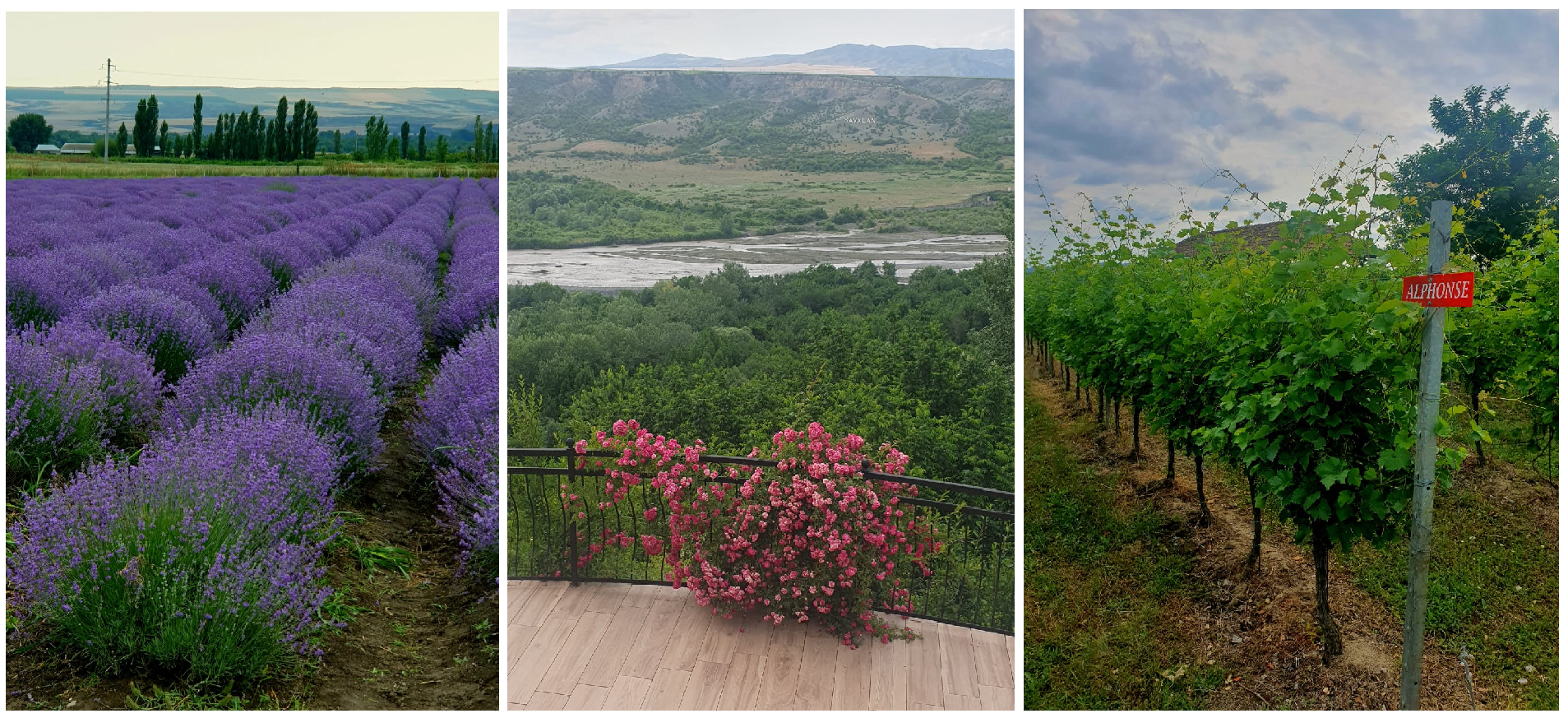
Gabala (also spelled Qabala) is officially classified as a city and serves as the administrative center of the Gabala District (Qəbələ rayonu) in Azerbaijan. Although its population is relatively small, Gabala holds city status because of its rich historical significance and its important role within the region.
Isa Bulaghi
Karabakh (Qarabağ)
We had the rare and unforgettable opportunity to visit Qarabağ, surely among the very first South Africans to walk this land, if not the first. At 4:00 in the morning, we boarded a bus with a group of Azerbaijani people, each carrying their own quiet story, their own reason for making this deeply personal pilgrimage. The journey was long and heavy, a 5–6-hour ride across roads lined with fatigue, anticipation, and emotion, ending at a police checkpoint that marked the gateway into Qarabağ. But no words in my vocabulary can quite capture what it felt like to finally arrive: to breathe the air of a land that has suffered, survived, and now dares to hope again.
As we waited at the checkpoint, a sign caught my eye. Boldly printed in capital letters on the right-hand side:
“ATTENTION! You are entering the liberated territories.”
That phrase struck me. It wasn’t just geographical it was spiritual. It spoke of return, recovery, and pride. For the Azerbaijani people, it carries deep emotional weight, bound to memories of loss, exile, and a longing that endured through decades. And now, the hope of rebuilding. Driving further in, the land began to speak. Not in words, but in silent warnings, boards stretching for kilometers along the roadside read “DANGER,” marking areas still haunted by landmines. Suddenly, a cloud of dust lifted in the distance. One of Azerbaijan’s specially developed demining vehicles had just discovered another landmine, an eerie reminder that the past is not yet entirely buried.
And yet, in these same fields once filled with silence and death, something extraordinary is happening. In areas already cleared of mines, vineyards are being planted, root by root, in soil that was once too dangerous to walk on. These are no ordinary vines. They are a declaration: that where there was once fear, now there will be life. That healing is not only possible, but inevitable. The transformation from minefields to vineyards is perhaps one of the most profound things we have ever witnessed. Every leaf, every grape, is a testament to resilience.
Our first stop was Ağdam, once a lively city, now a quiet witness to history. Before the conflict, Ağdam was a thriving urban center in southwestern Azerbaijan, near the border of Nagorno-Qarabağ. It had a population of around 40,000–50,000 people and was known for its cultural life, industry, and agriculture. The city included schools, mosques, factories, and public infrastructure. Today the only visible factory you can find is a cement factory that is providing the needs for the rebuilding of this territory.
During the First Nagorno-Qarabağ War in the early 1990s, Ağdam was heavily damaged and eventually abandoned, earning it the nickname “ghost city.” Much of it was left in ruins until the area was returned to Azerbaijani control in 2020. We visited the Ağdam Mosque, still standing amidst the ruins—its minarets like silent sentinels watching over a land that had seen too much. Once called a ghost city, Ağdam was stripped bare during the long years of conflict, its buildings hollowed, its streets overtaken by silence and nature.
And yet, even here, there is rebirth.
New buildings rise proudly—a hotel, a school, housing—symbols of a second chance. Among these, the ruins remain, not forgotten, but integrated into the story. They remind all who visit of what once was—and why rebuilding matters so deeply.
Later, we stood at a solemn site: rows of graves, each draped with faded Azerbaijani flags, worn by time and weather. A long list of names stretched across a monument—a stark testimony to those who lost their lives during the conflict. Around us, there was only silence, and the sound of hearts remembering.
I watched as people—locals, likely returning descendants—stood quietly before the graves, reading names, some whispering prayers, some simply staring. Their faces bore the pain of generations, but also a quiet strength. Everywhere you looked, there were ruins. But in those ruins—not for a moment—was there a lack of hope.
We also visited Əsgəran (Askeran), a town best known for the dramatic Əsgəran Fortress, with its imposing stone walls stretching along the valley—silent witnesses to centuries of defense and shifting power. Although parts of the fortress remain in ruins, they still stand tall, bearing visible scars of war. Once caught in the midst of a long-standing conflict, Əsgəran has endured hardship and shown remarkable resilience. With the restoration of Azerbaijani control, the town is slowly reclaiming its place in the national story. Beautiful new highways are being developed throughout the region, making travel easier and reconnecting communities. Today, Əsgəran stands as a bridge between past and future—where ancient stones whisper history, and hope is steadily returning.
Xocali
During our visit to the Heydar Aliyev School Museum, we first learned about the Xocali Massacre — one of the most tragic chapters in Azerbaijan’s history. The museum’s exhibits and books offered a sobering glimpse into that dark day. A few weeks later, standing in Xocali itself, the weight of history felt almost tangible. Walking among the graves, we could sense the enduring grief of families who still mourn their loved ones.
Visiting this sacred ground alongside Azerbaijani companions was profoundly moving. As South Africans, we felt deeply honored — perhaps among the first couples from our country — to join in their remembrance. The stillness around us seemed to echo the pain of the past, as the graves of men, women, and children silently testified to both loss and resilience.
Looking at old photographs of the town’s devastation was heartbreaking, yet the spirit we witnessed there was anything but broken. Amid sorrow, we found strength — a nation determined to remember, rebuild, and carry its history forward with hope and dignity.
Shusha
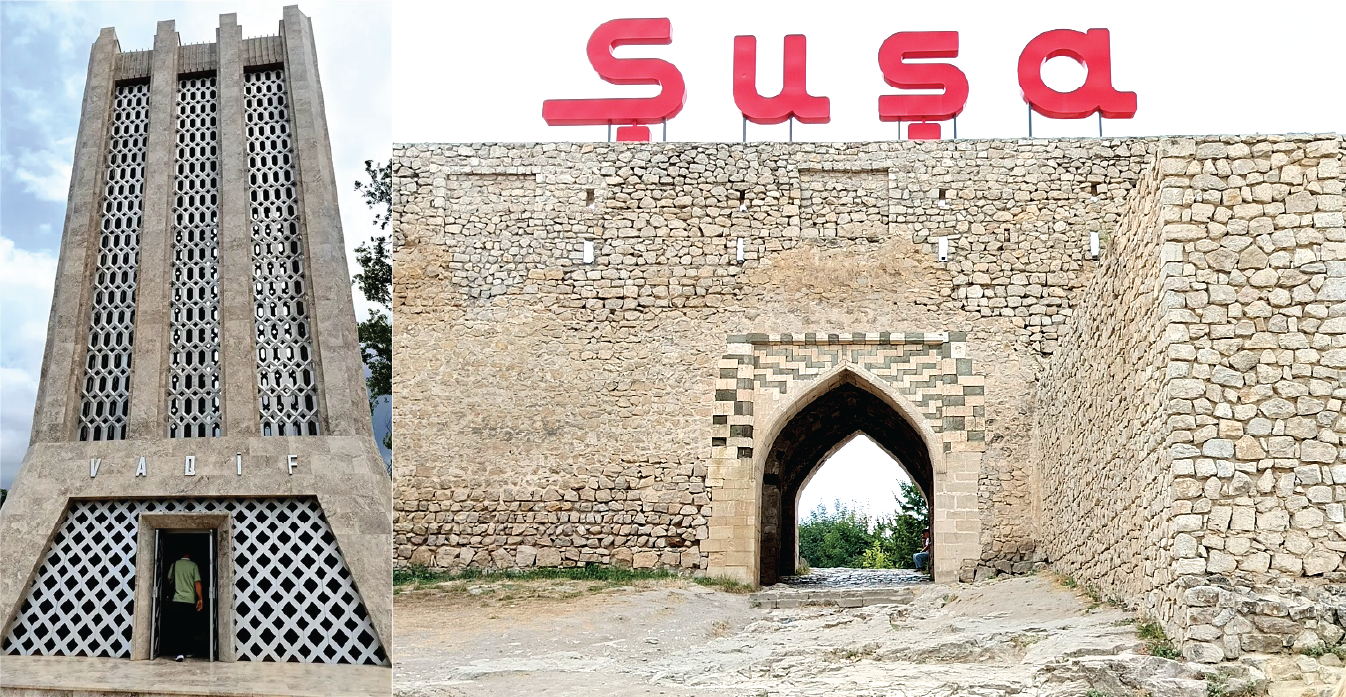
Shusha is slowly returning to life — a city once scarred by war now reclaiming its place as the cradle of Azerbaijani poetry, music, and art. Walking its cobbled streets, where history whispers from every stone, we saw how the ruins have been preserved as solemn reminders of what was lost.
Yet, amid the echoes of the past, there is renewal. The city stands today as a powerful symbol of resilience and cultural rebirth, lovingly rebuilt by the Azerbaijani people with patience and pride. Standing there, surrounded by both beauty and memory, we felt deeply moved — grateful to witness a place where history and hope walk hand in hand. Shusha left a mark on our hearts, a place we will carry with us long after we’ve left its hills.
-
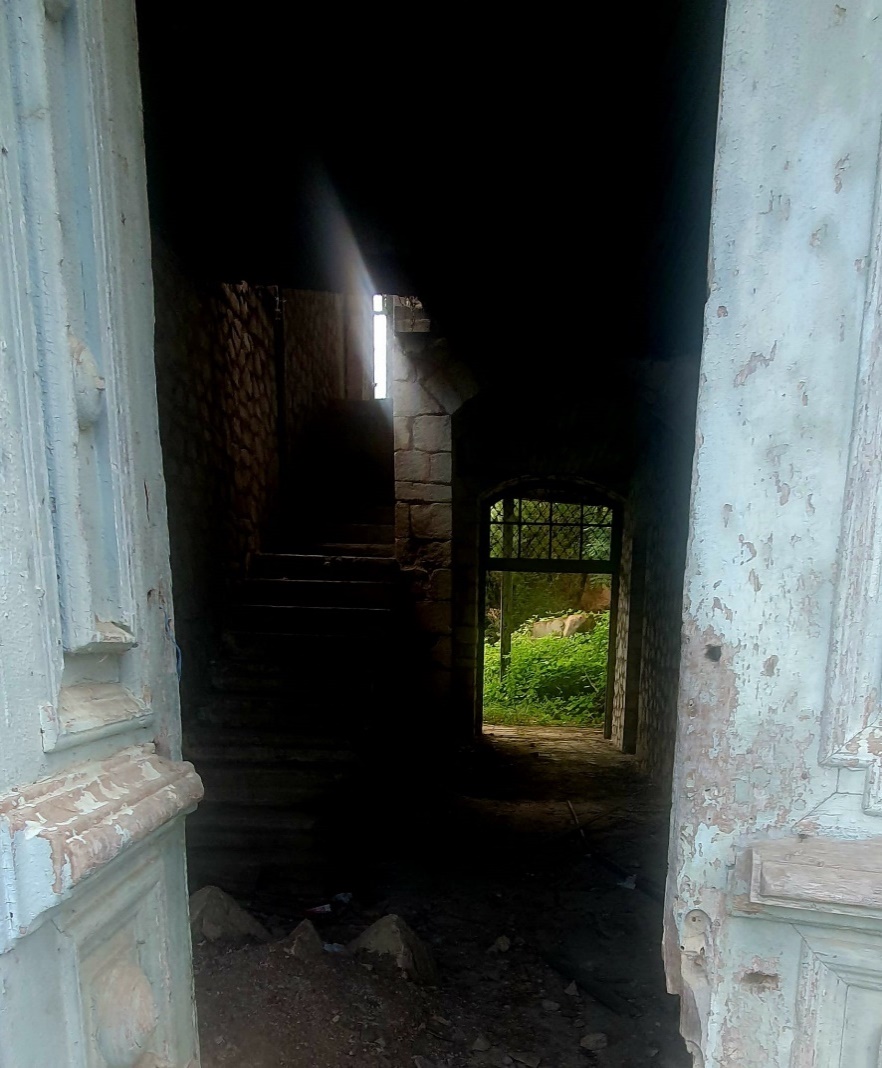
- Figure 23: Interior of an abandoned residential building in the Qarabağ region, showing peeling blue plaster, a damaged staircase, and an open doorway leading to overgrown grass. The photograph conveys the lasting effects of conflict on homes and communities. It also contrasts the ruined interior with vegetation reclaiming the surrounding space. Reconstruction and resettlement efforts continue across parts of the region.
-
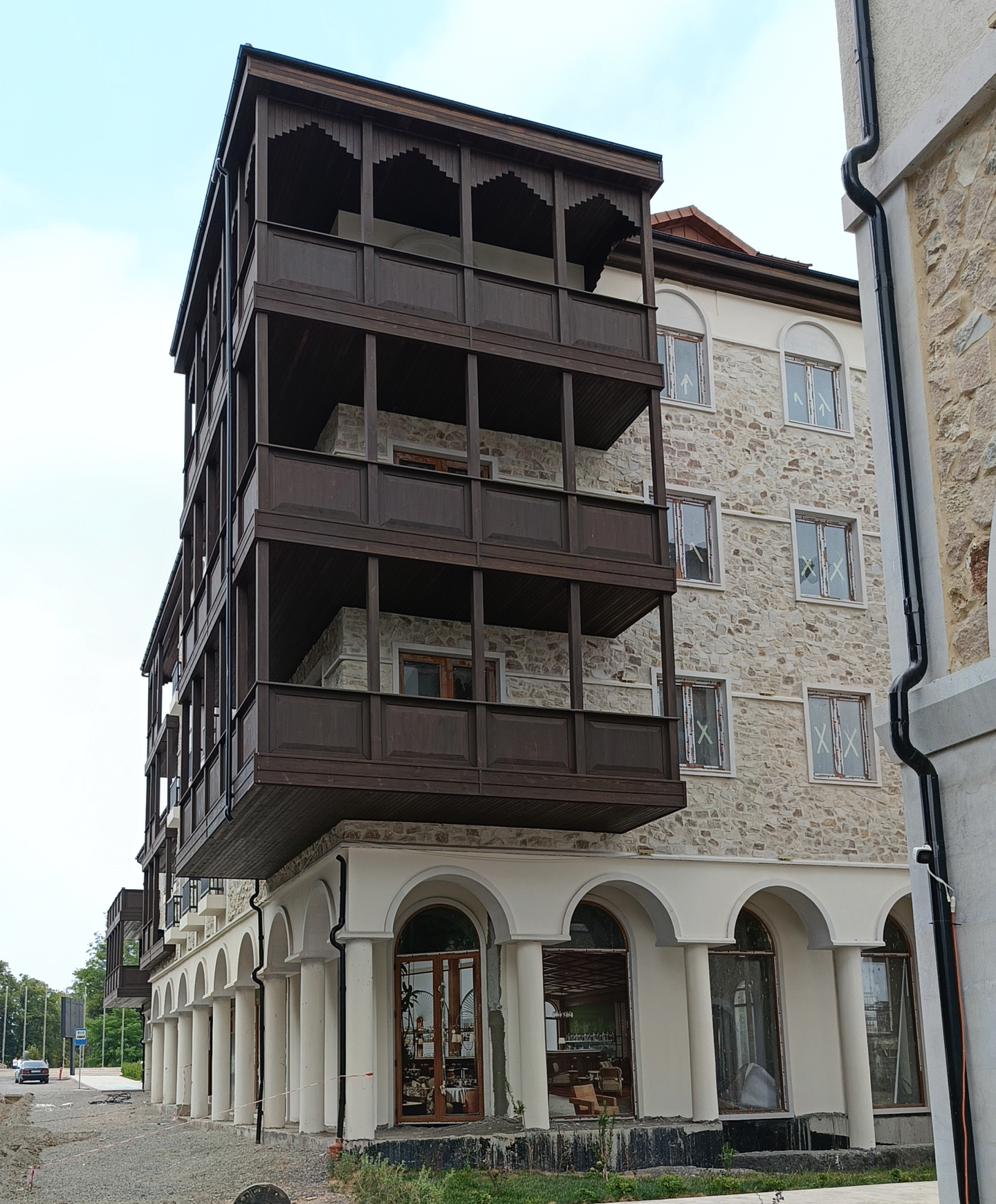
- Figure 24: A contemporary building in Khankendi incorporating traditional Azerbaijani architectural features. Three levels of dark wooden enclosed balconies with scalloped detailing project above a rusticated stone base. White-columned arches frame the ground-floor entrances, creating a contrast between wood, stone, and modern construction. The building illustrates the use of traditional design elements within ongoing urban reconstruction.
Khankendi
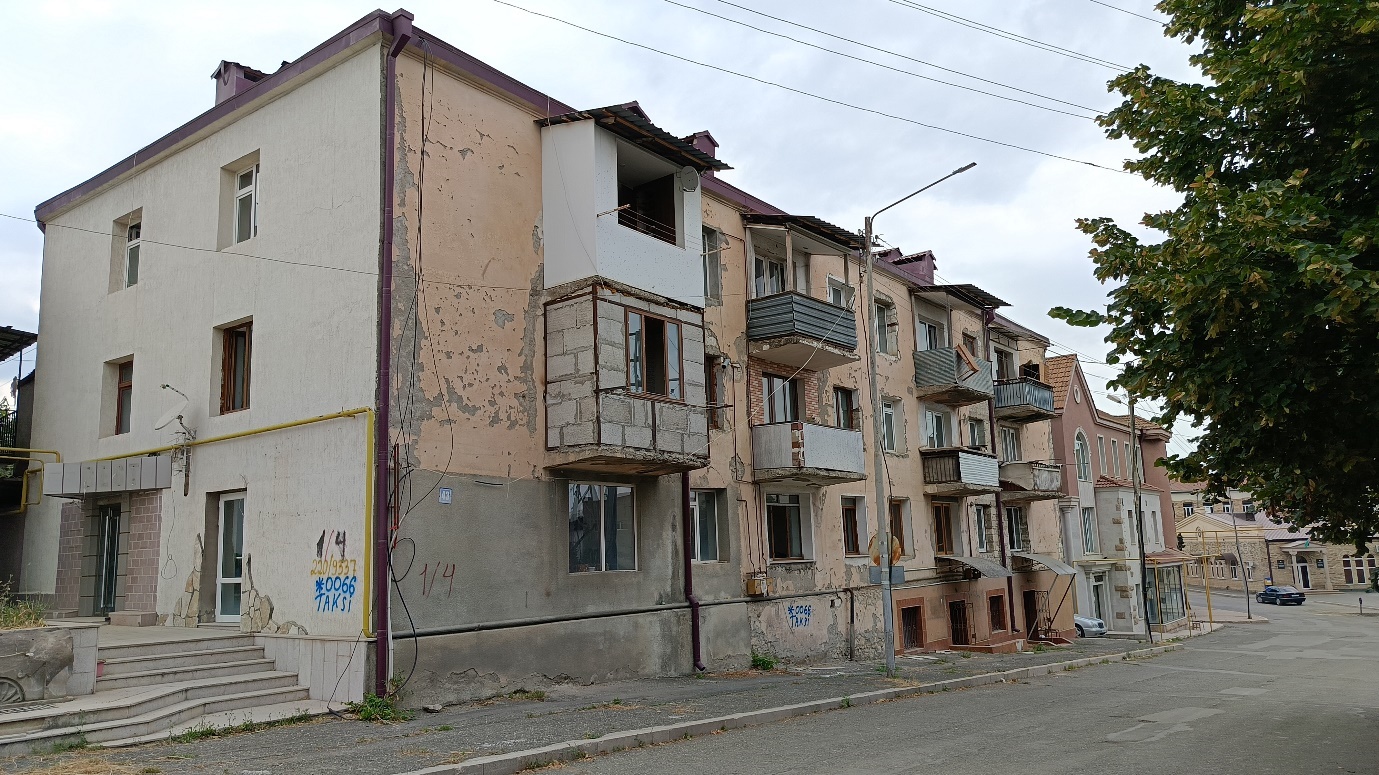
Khankendi is a city of striking contrasts — a place where silence and rebirth coexist. Some houses stand frozen in time, abandoned in haste, their interiors untouched. A barbershop still waits for customers who may never return, while animals wander freely through rooms that once echoed with family life.
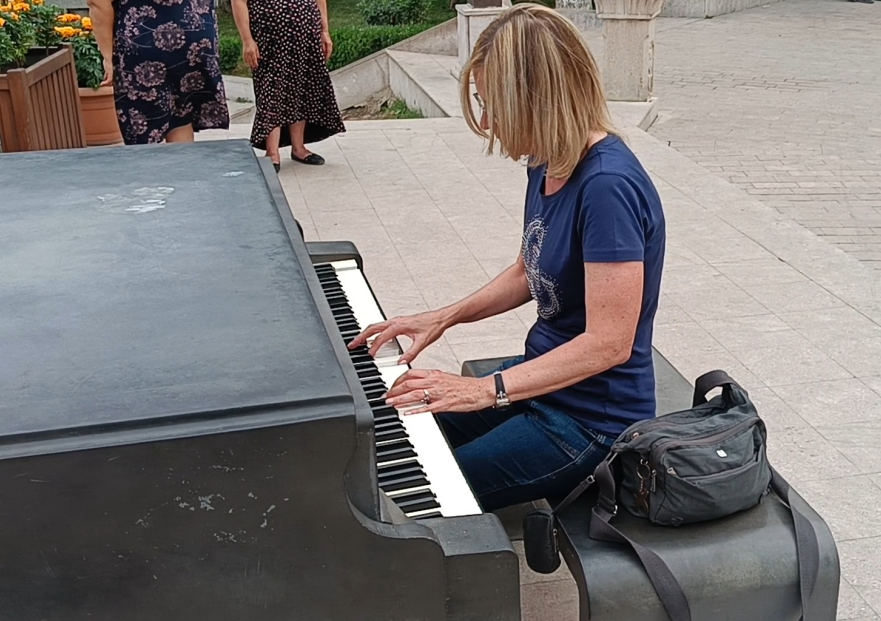
Yet, amid the stillness, signs of renewal emerge. In the city’s heart, a piano rests in a park, inviting passersby to bring music back to the air. Nearby, a new university rises proudly from the ruins, its modern design and advanced facilities standing as a promise of a brighter future.
We paused for lunch at a small restaurant, where traditional Azerbaijani melodies played softly in the background. Locals greeted us with shy curiosity — not yet used to visitors, but warm in their quiet way. Khankendi, with all its contrasts, left us reflecting on the resilience of life itself.
Wonda delighted the crowd with her piano playing in the park, filling the air with lively, enchanting music that drew smiles from everyone around.
Tovuz
Approximately five hours by train from Baku, you will arrive in Tovuz, the administrative center of the Tovuz District (Tovuz Rayon) in northwest Azerbaijan, near the borders with Georgia and Armenia.
While the district includes numerous villages and rural landscapes, Tovuz itself is a small urban city equipped with essential public services, schools, shops, historical sites, and a modest tourism infrastructure. Arriving at the Tovuz train station is a pleasant experience: the station building serves both arrivals and departures and also offers ticket sales, though signage is minimal and can be somewhat confusing for first-time visitors.
Ganja
When we first visited Ganja a few years ago, it felt like stepping into a city where tourism had yet to make a strong impression. Curious glances followed us as we wandered the streets—some people watched silently, while others, with genuine warmth, went out of their way to help. English was not widely spoken, but with a handful of Russian words, broken English, and plenty of hand gestures, we managed to communicate.
Ganja’s charm lies in its simplicity. Life here moves at a gentler pace, and strolling through its quiet streets felt oddly familiar, almost like wandering through a small European village. Narrow roads, old stone buildings, and cozy cafés lend the city a timeless atmosphere. Even the taxis tell a story—older cars with worn interiors that remain dependable, serving as daily transport for locals and visitors alike.
Regrettably, our visit was too brief to do justice to this beautiful city. We caught only a glimpse of Ganja’s unique character, and we know that much of its rich culture and history await discovery.
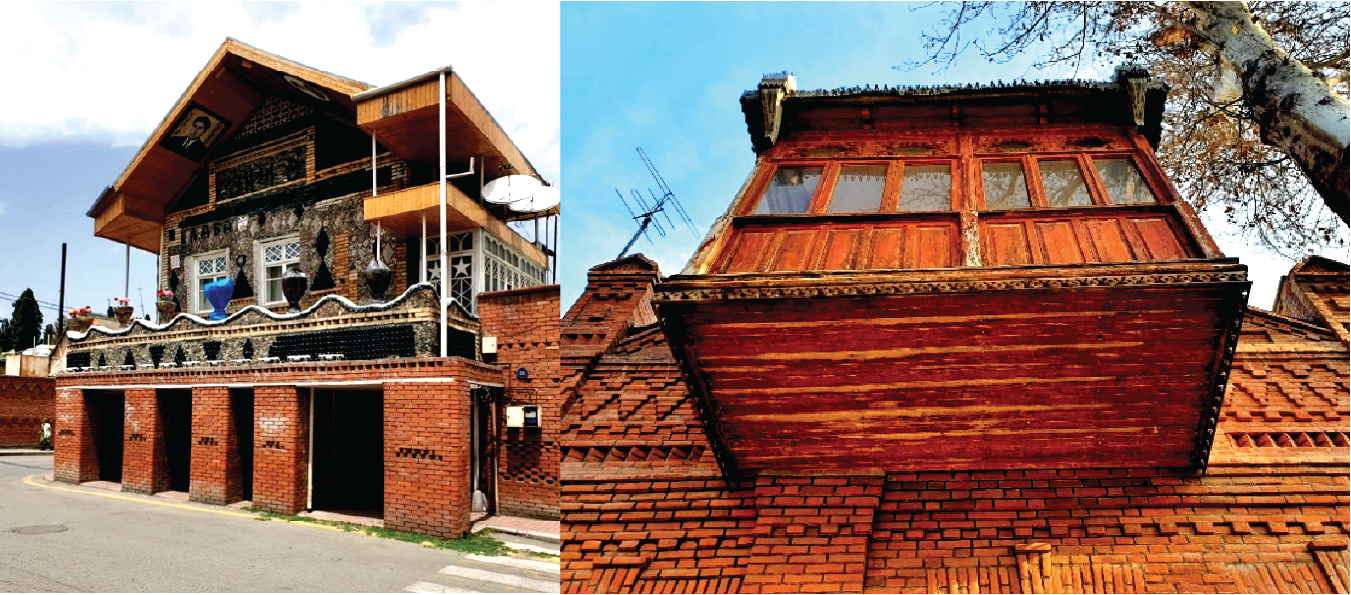
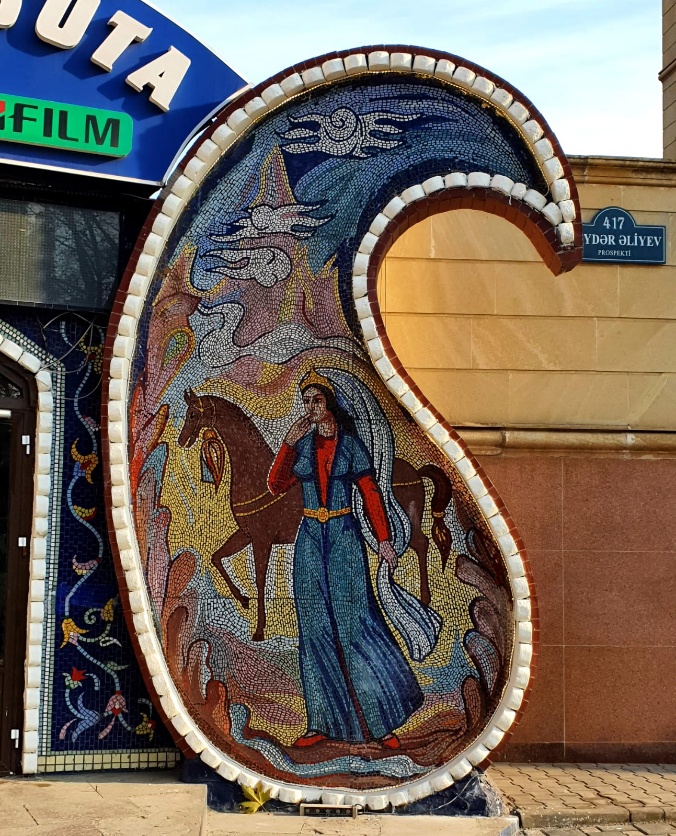
Lake Göygöl
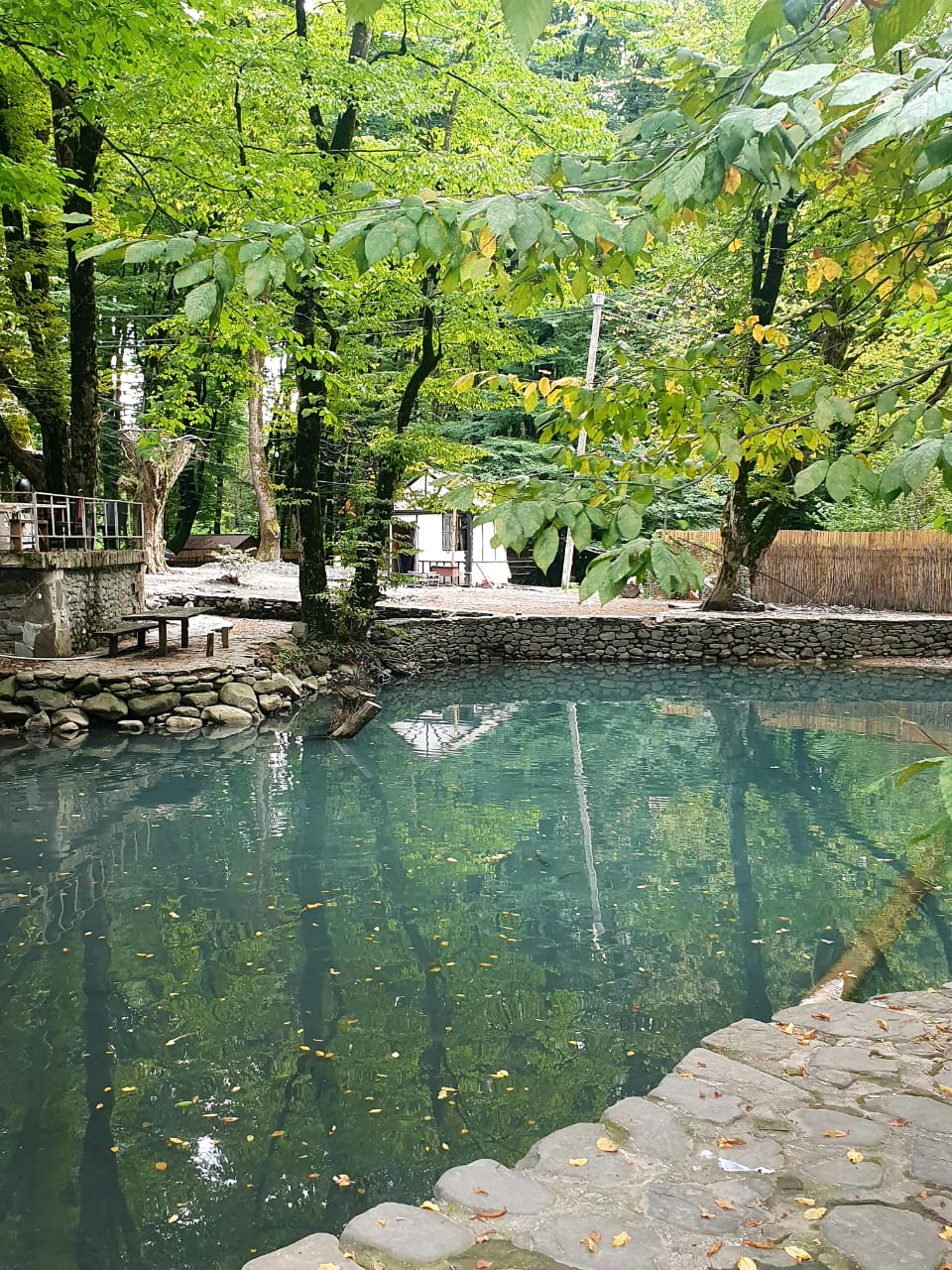
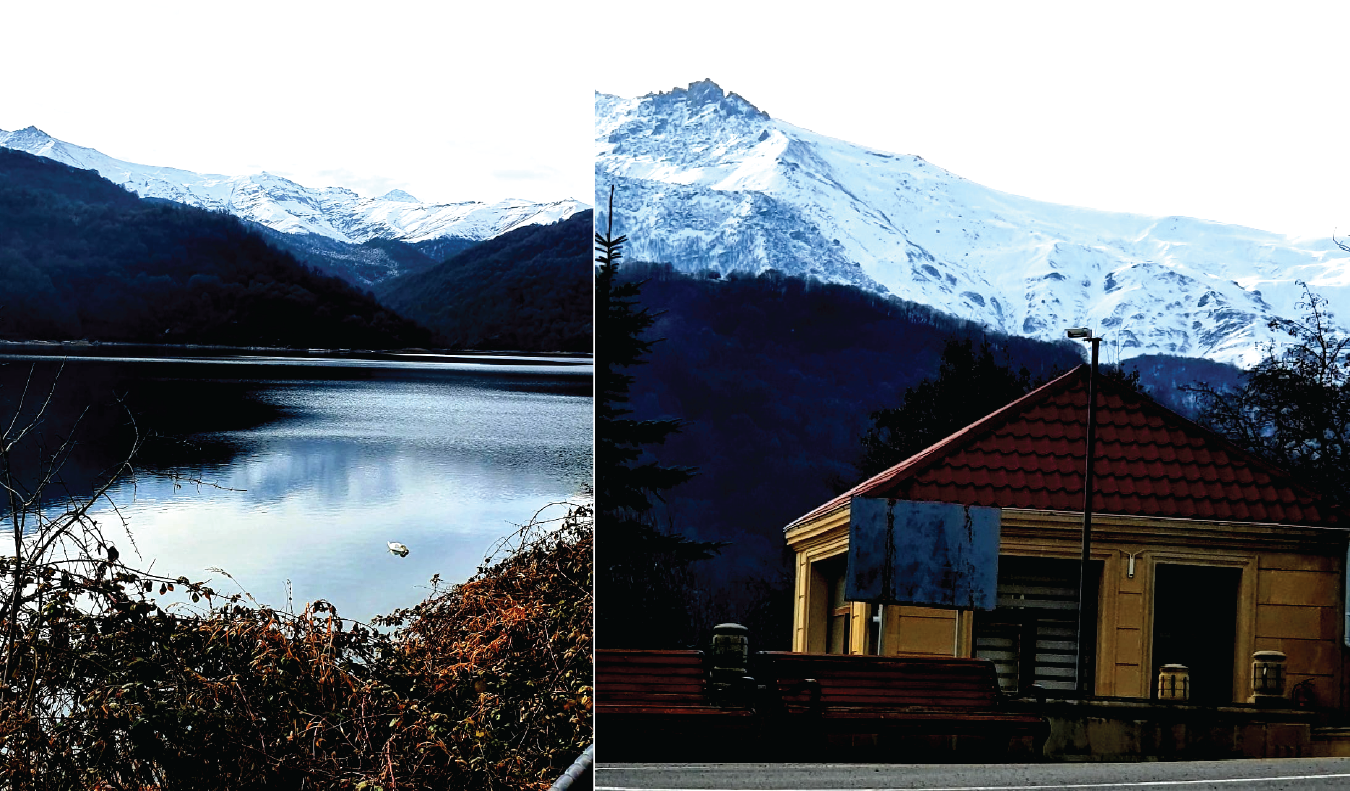
We took a taxi from Ganja, winding 45 scenic kilometers south into the mountains to reach the legendary Lake Göygöl—Azerbaijan’s iconic “Blue Lake.” Tucked deep within Göygöl National Park, this alpine lake rests at 1,553 meters above sea level, surrounded by dense forests and the soaring peaks of the Lesser Caucasus. We visited in winter, expecting to find the lake frozen and still. Instead, the water was clear and vibrant. A solitary duck glided gracefully across its glassy surface, leaving delicate ripples in its wake—a quiet reminder that life endures here, even in the coldest months.
Lake Göygöl was formed in 1139, when a powerful earthquake caused Mount Kapaz to collapse, blocking the Akhsu River. Today, it stretches nearly 3 kilometers in length and plunges to depths of up to 96 meters. Even in the pale winter light, its waters shimmered in hues of deep blue and emerald. Around us, snow-dusted trees stood like silent sentinels, their bare branches mirrored perfectly in the lake’s still reflection.
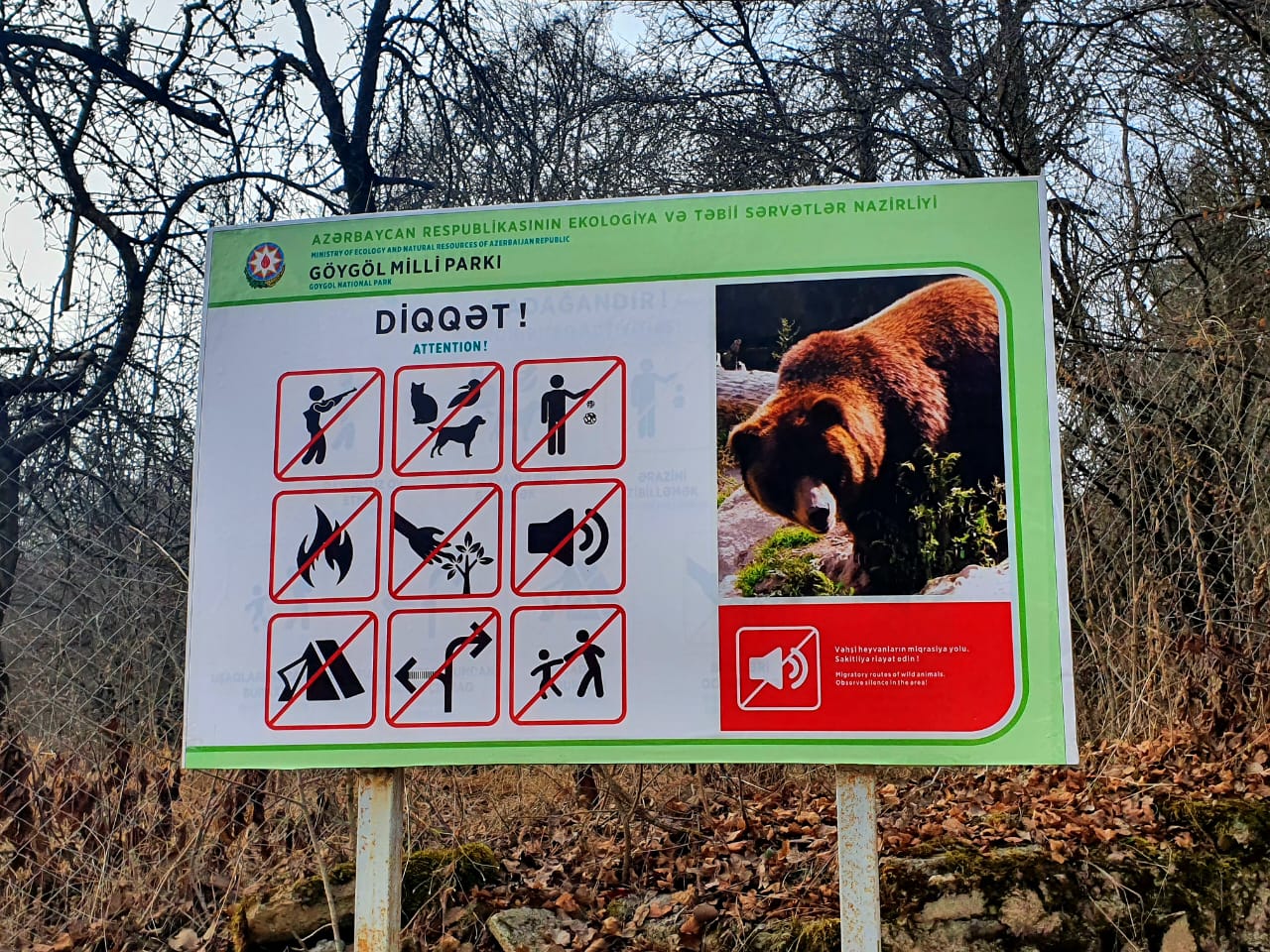
As we followed the quiet forest trails, we passed signs posted at intervals—warnings about bears that roam Göygöl National Park during the warmer months. It was a surprising and humbling reminder that beneath the peaceful beauty of this landscape lies a raw, untamed wilderness. Though the forest felt hushed and empty in winter, the thought of sharing these paths with wild animals in summer gave our visit an edge of quiet awe. Here, in this serene alpine setting, nature remains the true and rightful host.
Sheki (Şəki)
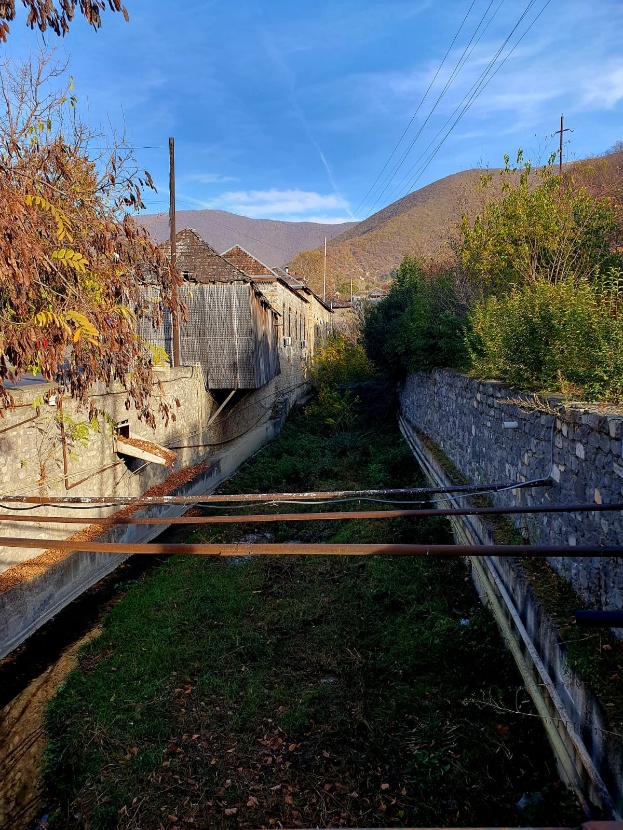
One long weekend, we set off for Sheki by taxi—a choice we soon came to regret. Between the driver’s questionable approach to road safety and his complete lack of English, the journey felt more like a test of nerves than a relaxing ride. If you truly want to enjoy the route to this remarkable town, we strongly recommend taking the overnight sleeper train in business class instead (see our Zaqatala journey for more). Though not as sleek as a modern express, the train offers its own quiet luxury—falling asleep to the rhythmic hum of wheels on track is a timeless kind of comfort. (Further details can be found in the Transport section.)
Upon arrival, another small hitch awaited us: our taxi driver, who was also supposed to act as our guide, was cheerful but knew little more than we did. Thankfully, this turned out to be a blessing in disguise. Left to explore at our own pace, we discovered that Sheki rewards the unhurried traveler. To describe the town in a single word: charming. Wandering its streets feels like stepping into a small European village—but with a distinctly Azerbaijani soul. Cobbled lanes, carved wooden balconies, and weathered stone houses lend it a timeless ambiance—both foreign and strangely familiar.
Sheki is a place to indulge the senses. Tucked-away restaurants serve piti, a rich, slow-cooked stew served in earthenware pots, alongside the town’s famed pakhlava—layers of pastry steeped in syrup and tradition. Don’t leave without a silk scarf, either: Sheki’s heritage as a silk-weaving center lives on in every thread. From the serene courtyards of old caravanserais to the kaleidoscopic stained-glass windows of Sheki Khan’s Palace, the town speaks in the language of craft, history, and understated grandeur. Sheki is not merely a destination—it is an experience stitched together by elegance, resilience, and heartfelt hospitality.
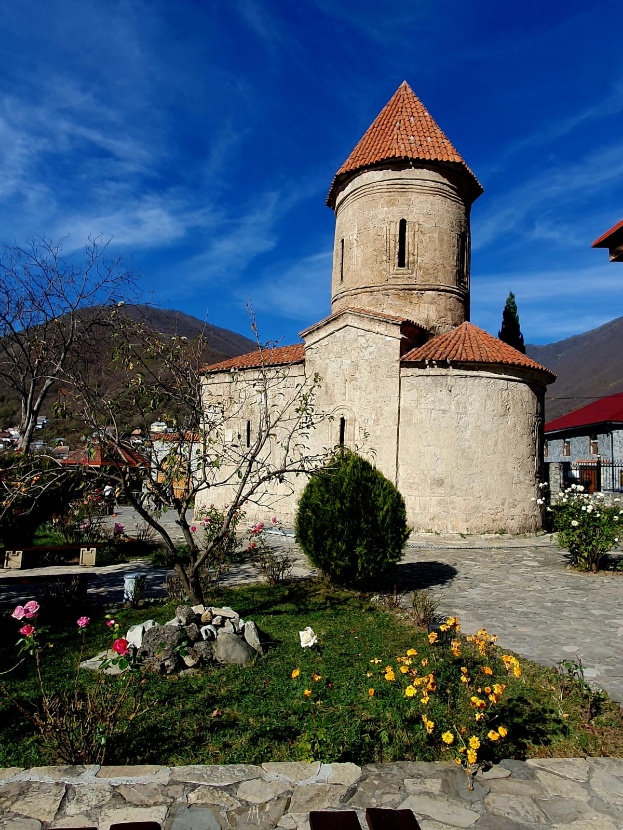
One of the most memorable stops on our journey was the Kish Albanian Church, perched serenely on a hill just 5 kilometers north of Sheki, in the tranquil village of Kish. Reaching it required a steep but rewarding walk, and partway up, a smiling local offered us bright red apples—crisp, sweet, and the perfect refreshment for the climb. Often referred to as the Church of Saint Elisha, the site carries deep historical resonance. According to legend, it was founded in the 1st century AD by Saint Elisha, a disciple of the Apostle Thaddeus, who transformed this sacred space from a pagan temple into one of the earliest Christian places of worship in the Caucasus.
The church we see today dates to the 12th century and features an architectural blend that bridges Caucasian Albanian and early Christian styles. Its circular form and distinctive red pyramidal roof speak to a transitional phase in Albanian church architecture during the 9th to 10th centuries. Beneath the surface, archaeological excavations have unearthed evidence of spiritual activity dating back to 3000 BC, suggesting this site has been sacred for millennia.
Today, the church stands as a beautifully restored museum, preserving its ancient character while welcoming visitors into its story. Inside, artifacts such as pottery, jewelry, and early tools whisper of civilizations long past.
When we visited in November, the air was crisp but not yet cold, and the surrounding mountains remained bare of snow. The setting was peaceful, with rolling hills and fading autumn greenery wrapping the church in a calm stillness. It felt like stepping out of time—an ideal place to reflect, not only on the layers of history beneath our feet but on how moments of quiet beauty leave the deepest impression.
Zaqatala
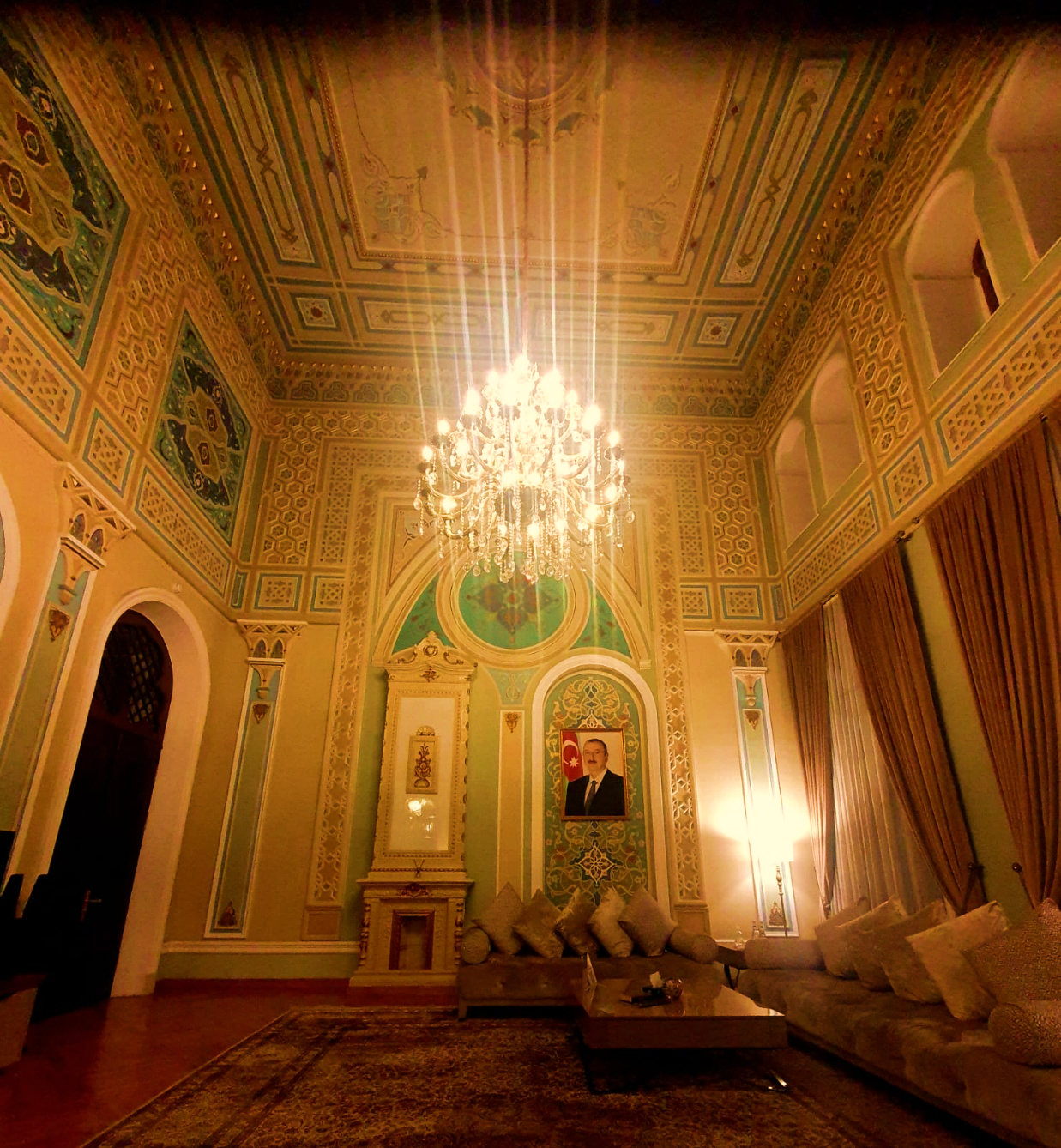
We boarded the overnight train to Zaqatala—an experience etched vividly into our memories. Arriving at the station just before midnight, we made our way to the VIP lounge, a place we had passed many times before, peering curiously through its doors and wondering what lay behind. That night, curiosity gave way to experience. The serene elegance of the lounge stood in quiet contrast to the usual clamor of the station, offering a peaceful interlude before the journey began.
This very station had once played a role in someone else’s story, too. Not long before, we had watched as a film crew transformed the familiar platforms into a movie set—lights, cameras, and actors bringing a scene to life. We never learned the name of the film, but whenever we recall that evening, it feels as if we stepped momentarily into our own cinematic moment.
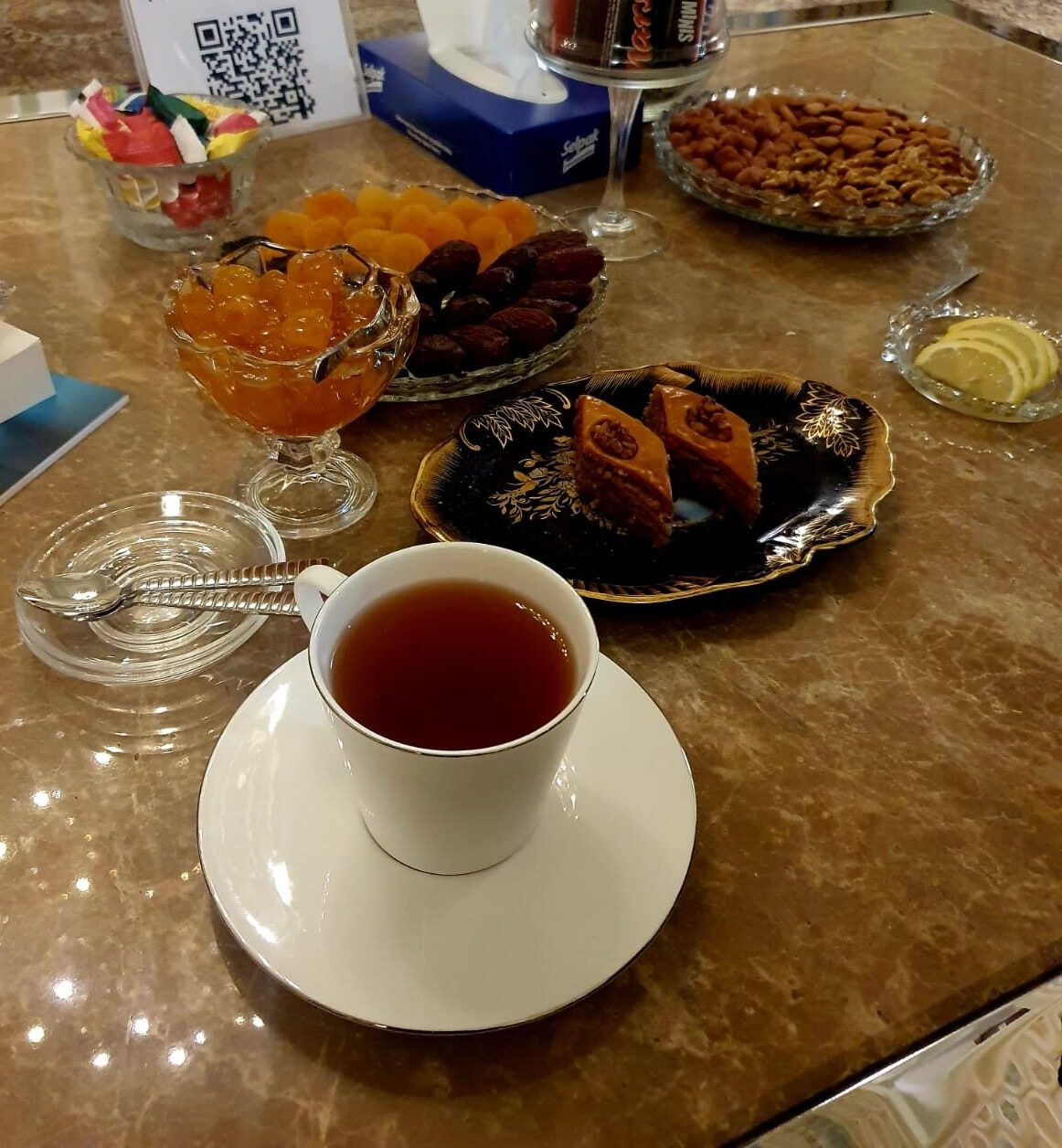
The VIP lounge itself felt like a well-kept secret. Hidden behind a polished wooden door, it opened to reveal a gracious hostess and an atmosphere of understated luxury. Soft lighting bathed the room in warmth, with plush armchairs inviting quiet reflection beneath chandeliers that glowed like echoes from a bygone European salon. Golden accents shimmered subtly, and Azerbaijani tea was served in delicate armudu glasses, honoring the rich tradition of the local tea ceremony.
Everything was composed with care—an oasis of calm before the rails called us onward. And when our train was ready, we were personally escorted to our compartment, gliding through the station like unexpected celebrities. That night, the rhythm of the train carried us into the mountains, but it was the grace of that lounge that stayed with us—a moment of stillness before the journey resumed.
Arriving early in the morning, we were greeted not only by the crisp mountain air but by the quiet charm of Zaqatala unfolding before us. Here, the past lingers gracefully. The old and the new coexist effortlessly in this picturesque town, nestled in the northwestern corner of Azerbaijan, near the borders of Georgia and Dagestan. Surrounded by the lush greens of the Greater Caucasus Mountains, Zaqatala feels like a hidden village from a storybook—a place where life continues at its own measured, unhurried pace.
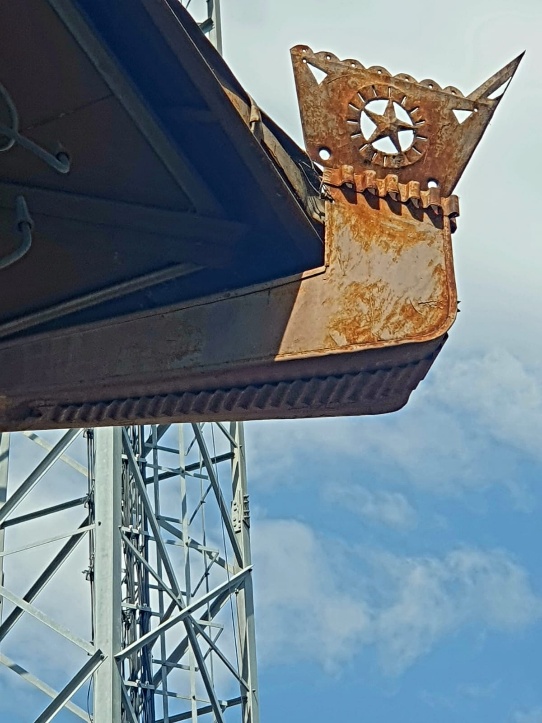
What first caught our eye—beyond the dense forests and open meadows—were the houses. Each one, whether simple or grand, wears a steel roof that gleams silver in the morning sun, built to withstand heavy rains and mountain winds. But the true artistry lies in the details: the gutter pipes. Far from being merely functional, they are often ornate, curling in decorative flourishes along the walls like silent vines of sculpted metal. In Zaqatala, even rainwater is guided with grace.
Together, the landscape and craftsmanship offer a gentle reminder: in this peaceful, green corner of Azerbaijan, beauty is not rushed. It is shaped slowly—roof by roof, pipe by pipe—through the quiet persistence of generations.
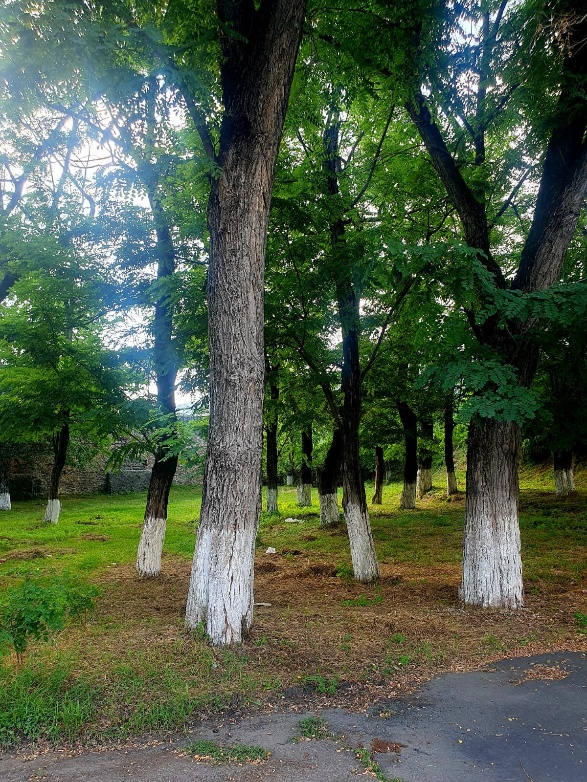
In the quiet streets of Zaqatala, one curious sight never fails to catch a visitor’s eye: rows of trees with their trunks painted a striking white. At first glance, it might appear purely decorative—perhaps a quaint village tradition to brighten the landscape. But this simple whitewash, made mostly from lime, serves a more purposeful role. It protects the trees like a silent guardian: deterring insects from climbing the bark and shielding the trunk from the sun’s harsh rays. In spring, when warm days are followed by cold nights, the reflective paint prevents the bark from splitting under sudden shifts in temperature.
Yet beyond its practical function, the whitewash speaks to something deeper. It is a quiet symbol of care and pride. Painting the trees becomes an act of stewardship—a way for the people of Zaqatala to honor the land, as if dressing the trees in crisp white coats to mark the changing seasons.
The next day, we travelled to Qax and İlisu. On the way to Qax, we came across a scene that felt straight out of another era: a car, tilted sharply at a 45-degree angle, balanced precariously on a single wooden stick. This wasn’t the aftermath of an accident—it was a local makeshift service station. Without access to hydraulic lifts or modern garages, villagers here employ a more hands-on, inventive method. By tipping the car sideways, they gain full access to its undercarriage, making repairs or oil changes possible even in the most remote settings.
It’s a practice that might cause health and safety inspectors to wince, yet there’s something deeply admirable about it. It speaks to the kind of practical wisdom and resourcefulness that defines life in rural Azerbaijan. No high-tech equipment. No mechanic’s overalls. Just balance, skill, and a well-placed stick—proof that in places like this, solutions come not from what you own, but from what you know.
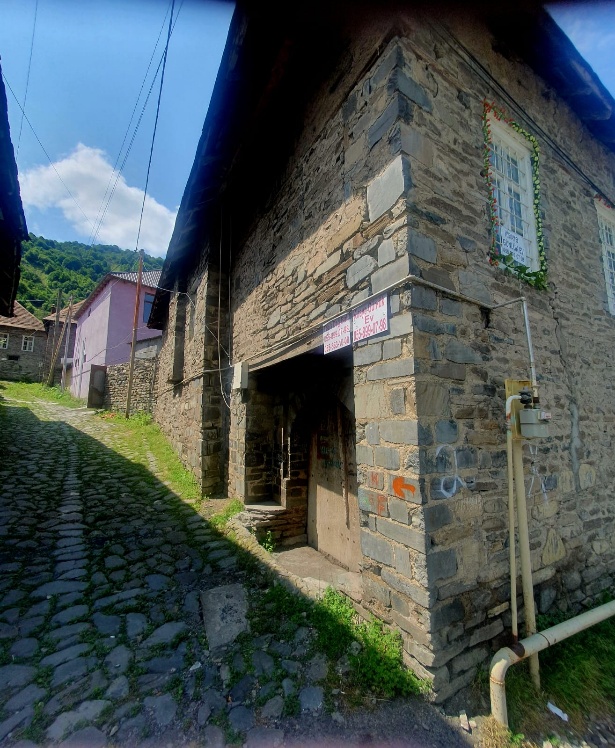
If you need more than just a vacation to restore your spirit, İlisu is the place to go. Nestled in the northwestern Qax District and embraced by the blue-green folds of the Greater Caucasus, İlisu is a pocket of peace known for its fresh mountain air, pure natural springs, and timeless tranquillity. Once the heart of the İlisu Sultanate, the village still bears traces of its history—ancient stone bridges and the crumbling remains of a medieval fortress.
Visitors are drawn to its traditional stone houses, quaint tea gardens, and winding trails that lead to waterfalls and scenic viewpoints. İlisu offers a rare blend of natural beauty and cultural depth, making it a hidden gem for both nature lovers and history enthusiasts. As we strolled along a narrow mountain road, pausing to admire an old house, the warmth and hospitality of the locals reminded us once again: here, every path leads to kindness.
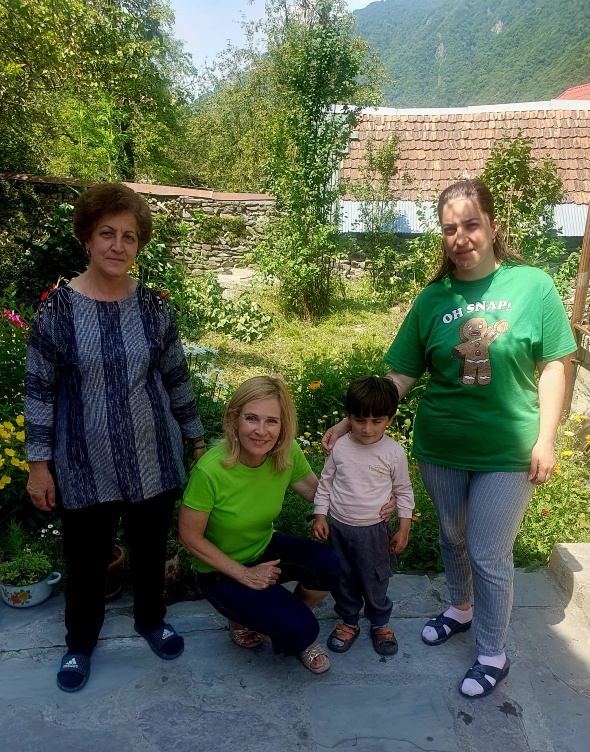
While we were taking photos, a man approached us and kindly offered to move his car so we could get a clearer shot of the old house. As we stood there, admiring the 200-year-old house, he warmly invited us in for tea.
His little son welcomed us with a warm smile and a handshake, while his wife and mother quietly prepared traditional Azerbaijani tea. Soon, a beautiful plate was placed before us, neatly arranged with an assortment of local sweets: candies, Sheki pakhlava, and a delicate treat known as pishmaniye, a type of Arabic-style cotton candy. Unlike the fluffy pink candy floss seen at fairs, pishmaniye is made from fine strands of pulled sugar mixed with flour, giving it a light, airy texture that melts in your mouth, yet with a subtle, slightly nutty flavor. Common in Azerbaijan, Turkey, and Iran, pishmaniye is often served alongside tea as a gesture of hospitality, adding a touch of tradition to moments shared with guests. As our time was limited we did not stay very long, but the experience will be remembered a life time.
Baku, the Old and the New
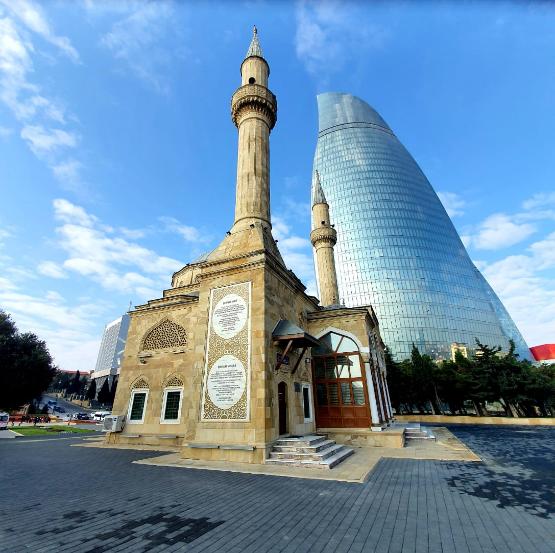
When you open your eyes in Baku—24 meters below sea level—you might easily mistake it for somewhere in Europe. Although the capital of Azerbaijan is unique in countless ways, it often reminds visitors of a blend of European cities, with its elegant architecture and modern development. Baku is a city of contrasts—charming and immaculately clean, where ultra-modern skyscrapers rise beside centuries-old stone walls.
Set along the Caspian Sea shoreline, at the edge of progress and tradition, Baku carries two symbolic names: Black City and White City—like piano keys composing a symphony of transformation.
The Black City (Qara Şəhər) was once the pulsing heart of Baku during the oil boom of the 19th and early 20th centuries. Its lifeblood was thick, dark oil—gushing from the earth, spilling across streets, and seeping into every corner of industrial life. Smoke curled from chimneys, soot blackened stone and skin alike, and the air was heavy with the roar of progress. It was a city of wealth and exploitation, of mechanized labor and industrial grime—a place that grew, but never promised grace.
Out of that soot-streaked past, a vision emerged. Baku White City, built atop the scars of its industrial predecessor, stands today as a beacon of modern urban renewal. Where machinery once groaned, now glass towers shimmer in the sun; where oil once pooled, green parks breathe with life. It is eco-conscious, luminous, and thoughtfully designed. Baku did not erase its history—it transformed it. From the residue of Black City, White City was born—a cleaner, greener, and more humane future layered atop the raw ambition of its origins.
Each day, walking home from the metro station, I used to pass a traditional wool-sorting workshop, tucked inconspicuously between apartment blocks. It was a surprising sight in a city so modern. Inside, large bundles of raw wool lay atop wooden tables, and skilled hands moved patiently through them, separating soft fibers from debris in a rhythm both ancient and meditative. The earthy scent of wool, the soft rustle of fibers, and the quiet determination of the workers created a scene seemingly frozen in time—a whisper of a slower, more tactile world, preserved amid the glass and steel of the new Baku.
Baku weaves the old and the new with the precision of a master carpet maker, blending contrasting threads into a single harmonious pattern. Each layer—historic architecture, futuristic design, enduring traditions, and modern innovation—fits together like colors in a finely crafted mosaic, creating a city that surprises and captivates at every turn.
This unique fusion of past and present is not merely preserved—it is actively and joyfully celebrated. In the narrow, winding streets of the Old City, centuries-old mosques, caravanserais, and fortress walls whisper stories of empires long gone. Just beyond, the futuristic silhouettes of the Flame Towers rise proudly, while the sinuous lines of the Heydar Aliyev Center embody architectural daring and national pride.
Traditional carpet shops, blacksmiths, and bakeries continue their quiet work beneath the reflective glass of modern towers. Each district tells a different story—some ancient, some newly unfolding—yet they all interlock, much like the threads of a handwoven Azerbaijani carpet.
This seamless interplay of history and progress is what gives Baku its distinct identity: a city where every street corner presents a contrast, and every step reveals another layer in its living mosaic.
Many parks in Azerbaijan carry a charm all their own, some modern, others still echoing the structured layouts and stone monuments of Soviet times. One thing remains unchanged, though: Azerbaijanis love the outdoors. From sunrise to late evening, people fill the parks, sitting on benches beneath tall trees, chatting with friends, or simply watching life unfold around them. And almost always, there’s the rhythmic click of dice from a Nərd (Backgammon) board, the most beloved pastime among Azerbaijani men, often played slowly over endless cups of strong, black tea.
This brings us to an interesting observation. While tea is a national ritual, especially in the countryside, the çayxana (tea house) is still largely a male domain. In many smaller towns and villages, you’ll find clusters of men gathered around traditional pear-shaped glasses, sipping tea sweetened with sugar cubes, as they talk politics, village news, or simply pass the time. For us, as a couple, this made it difficult to join in tea houses are not always welcoming to mixed company. Despite our shared love for a good cup of local tea, tradition quietly kept us watching from the outside.
In Azerbaijan, tea isn’t just a drink, it’s a doorway to conversation, community, and a slower, simpler moment. But as visitors, we sometimes found that door only half open. Yet, as Miryam Alizade, a former international student, once reflected, in Azerbaijan friendships seem to form with remarkable ease.
If you are a crow lover, here you will find many Hooded Crows, shouting joyfully to each other while waiting for an opportunity to scavenge food either from a dustbin or hoping that someone will offer them something to eat. Once they trust you, they will be your friend and come to you when you sit in the park.
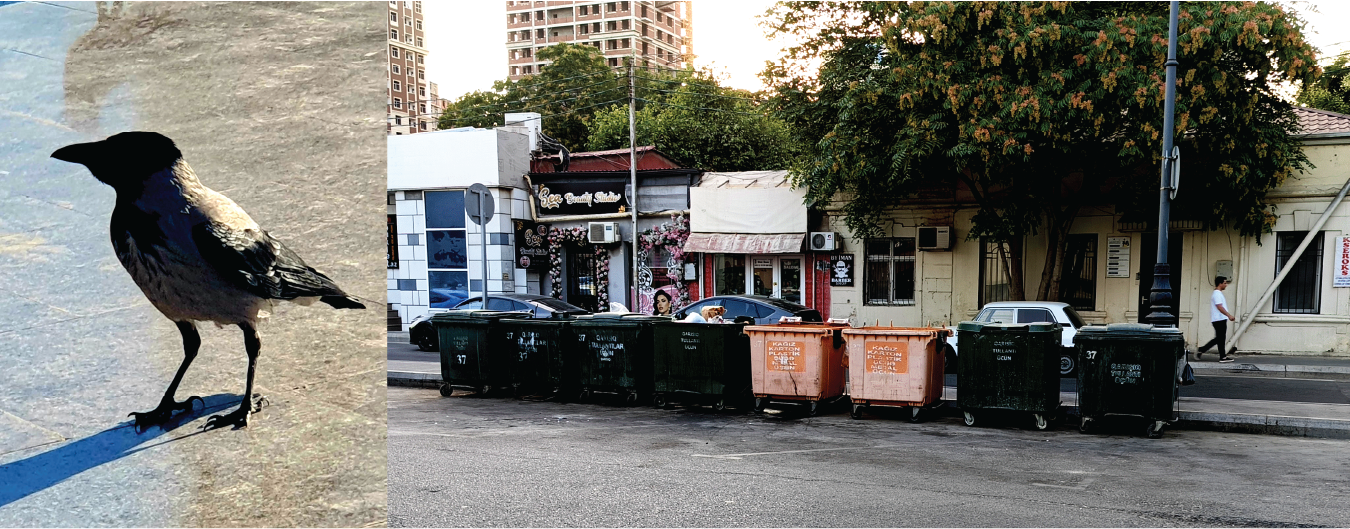
In Baku, city regulations require rubbish bins to be placed no more than 100 meters apart in main urban areas. It’s a small but thoughtful detail that keeps the city remarkably clean and pleasant for both residents and visitors.
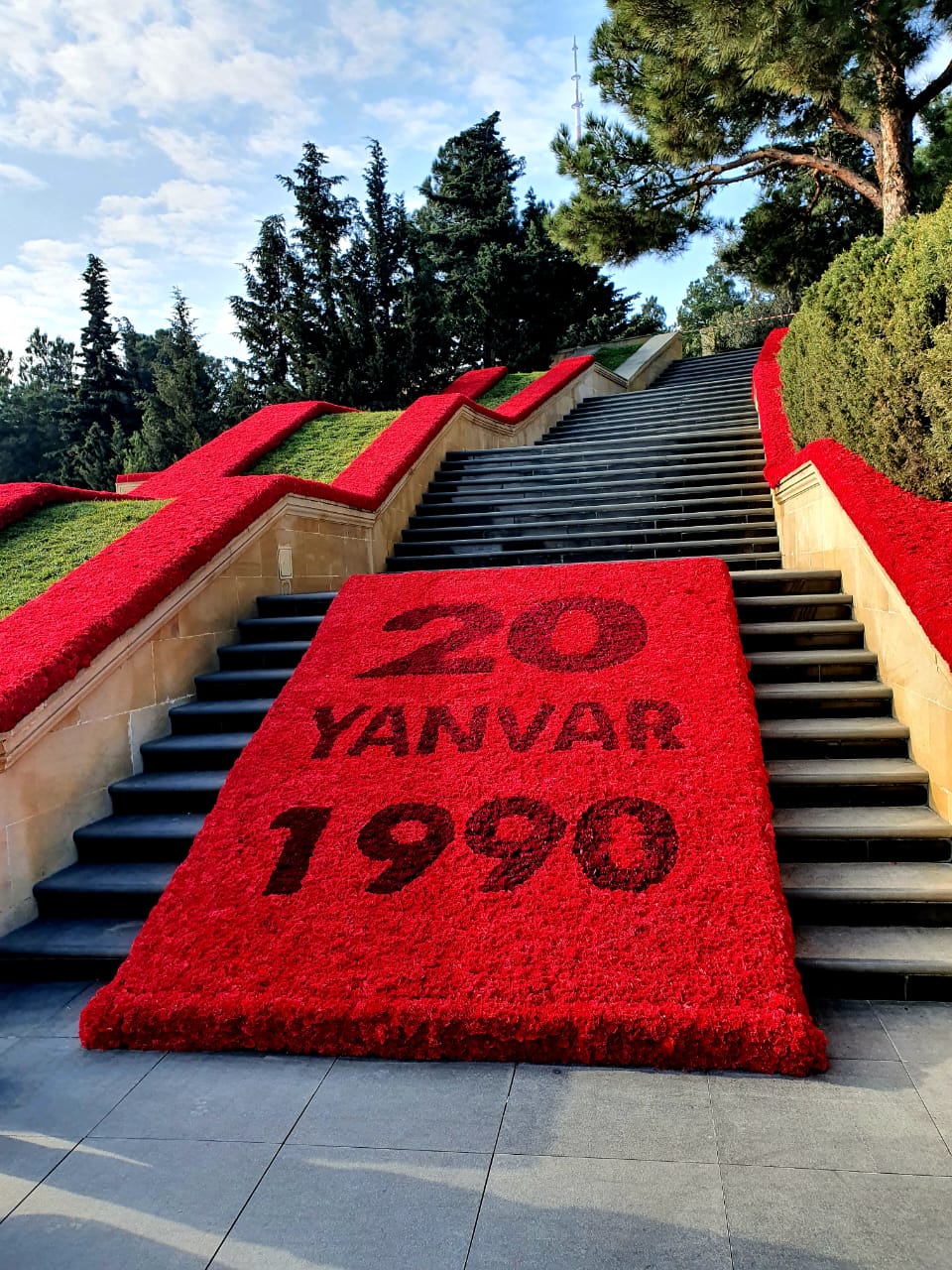
İçərişəhər (The Old City)
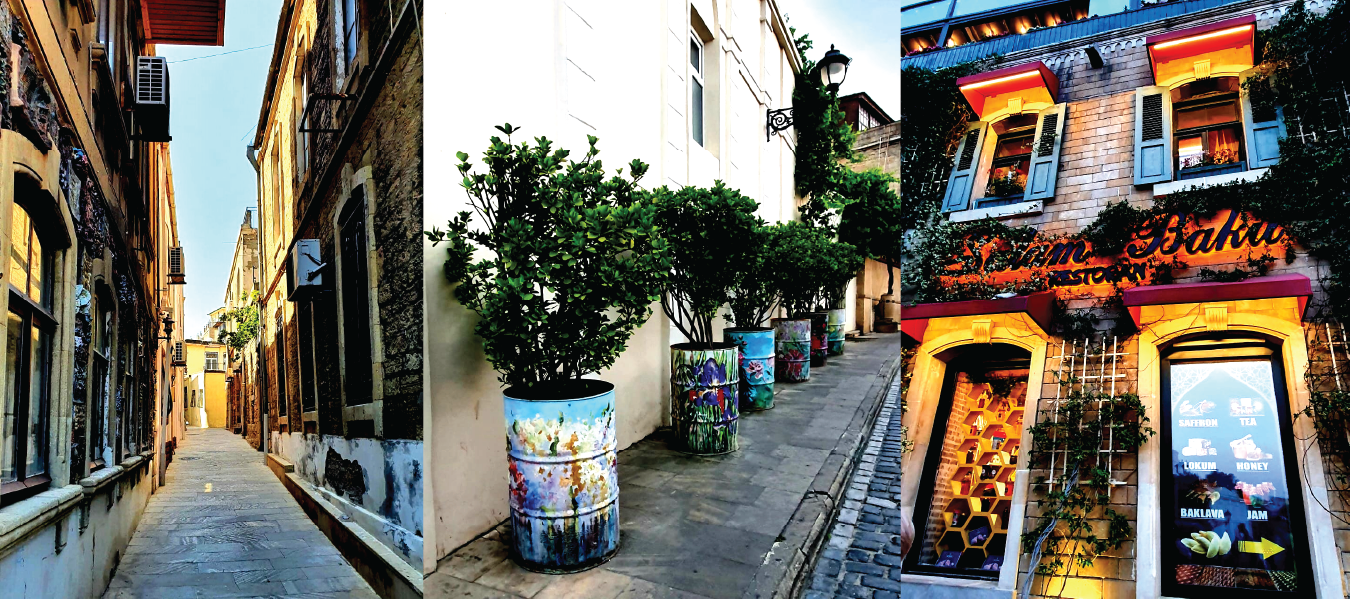
Balakhani
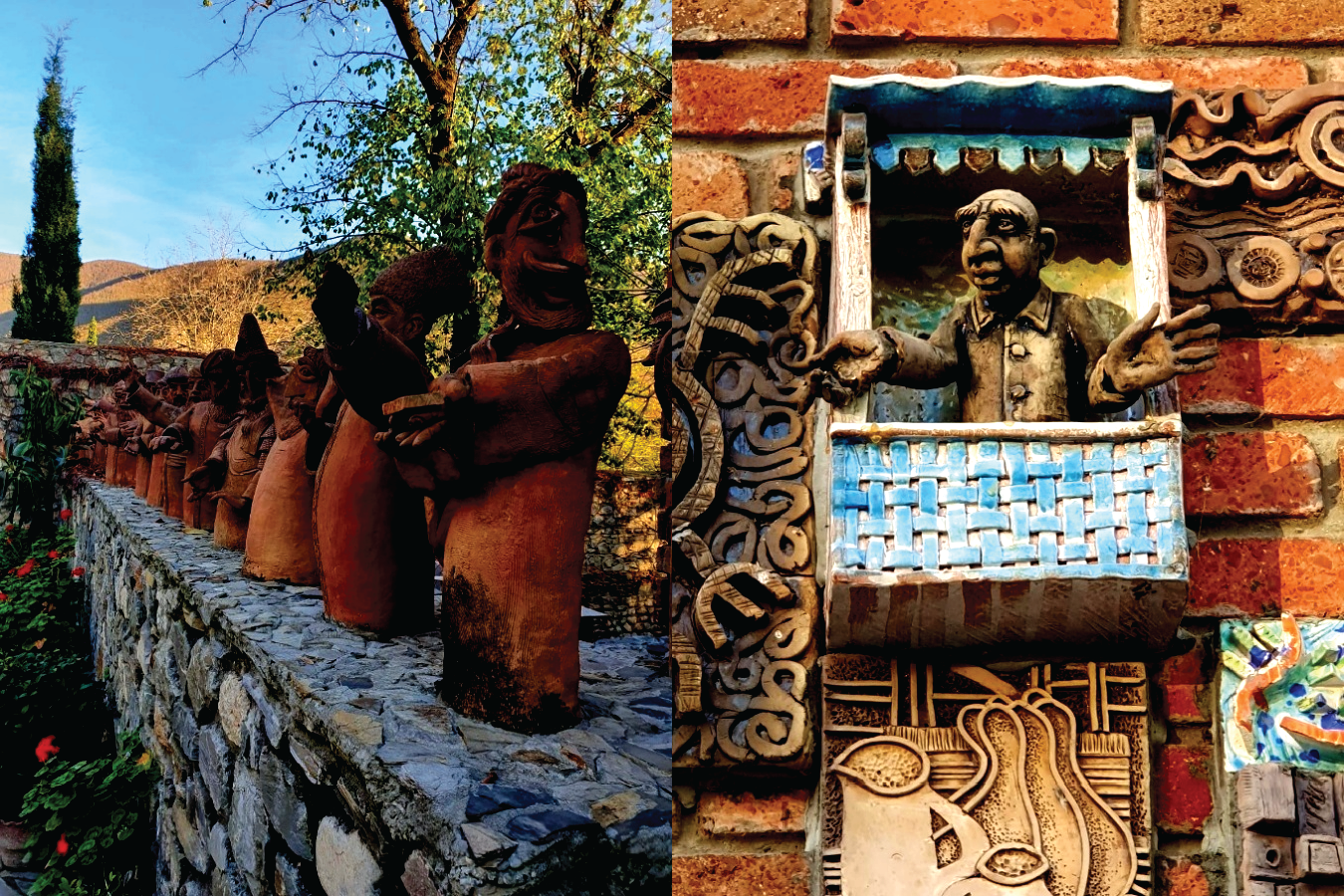
One day, a friend took us to a beautiful village not far from the center of Baku—Balakhani. Tucked within the city’s Sabunçu district, this historic settlement has recently undergone a remarkable transformation, evolving from a neglected oil town into a vibrant cultural destination. Once known as one of the world’s earliest oil-producing areas, Balakhani now harmoniously blends its industrial past with architectural heritage and creative expression. As we wandered through its cobblestone streets—carefully restored and now lined with murals, sculptures, and ornate façades—it felt like stepping into a living museum.
Balakhani boasts several significant historical landmarks, including the 17th-century Shah Sefi Caravanserai, the medieval Gum Hamam, the underground Ovdan water reservoir, and the Shakiragha Mausoleum. These sites, once forgotten, have been lovingly restored as part of a major revitalization project completed between 2018 and 2020. Today, the village is home to artisan shops and workshops where visitors can discover traditional Azerbaijani crafts such as pottery, weaving, and copperwork—age-old skills brought to life through modern hands.
After exploring the village, we stopped at Gutabçı, a delightful local restaurant that offers a cozy retreat and hearty Azerbaijani cuisine. Although reservations are usually required, we were fortunate to find a table. The menu features a wide variety of gutab—thin, savory flatbreads filled with lamb, herbs, greens, pumpkin, spinach, cheese, or potato, all cooked on a saj. Each variety was fresh and aromatic, perfectly accompanied by a chilled glass of ayran. From our upstairs table, we had a charming view of the village square and the nearby artisan shops, adding to the atmosphere of warmth and creativity.
If you’ve visited Baku’s Old City, you’ll notice that Balakhani offers a different kind of beauty. While the Old City preserves the grandeur of medieval Islamic architecture and the echoes of the Silk Road, Balakhani feels more like a canvas—its raw history transformed through color, texture, and the revival of local identity. Both are rich in character, but Balakhani especially appeals to those who value history as a platform for artistic reinterpretation and community renewal.
In the broader context of transformation and ambition, Azerbaijan is also looking to the future with projects like Khazar Islands, where the Azerbaijan Tower—planned to rise to 1,050 meters—was once envisioned as the tallest building in the world. While construction has faced delays, the dream underscores the country’s bold vision: a nation deeply rooted in history, yet continuously reaching for new heights.
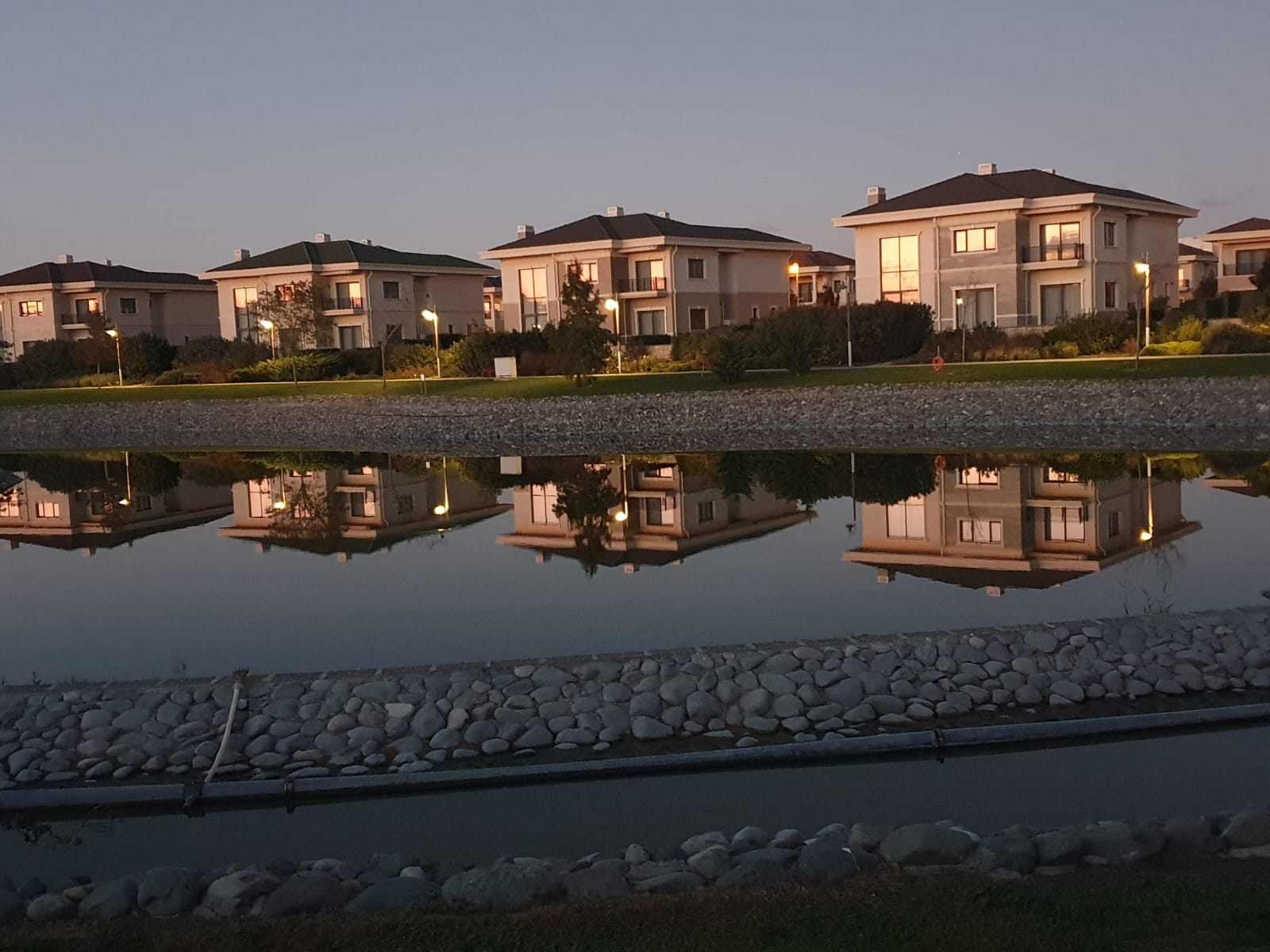
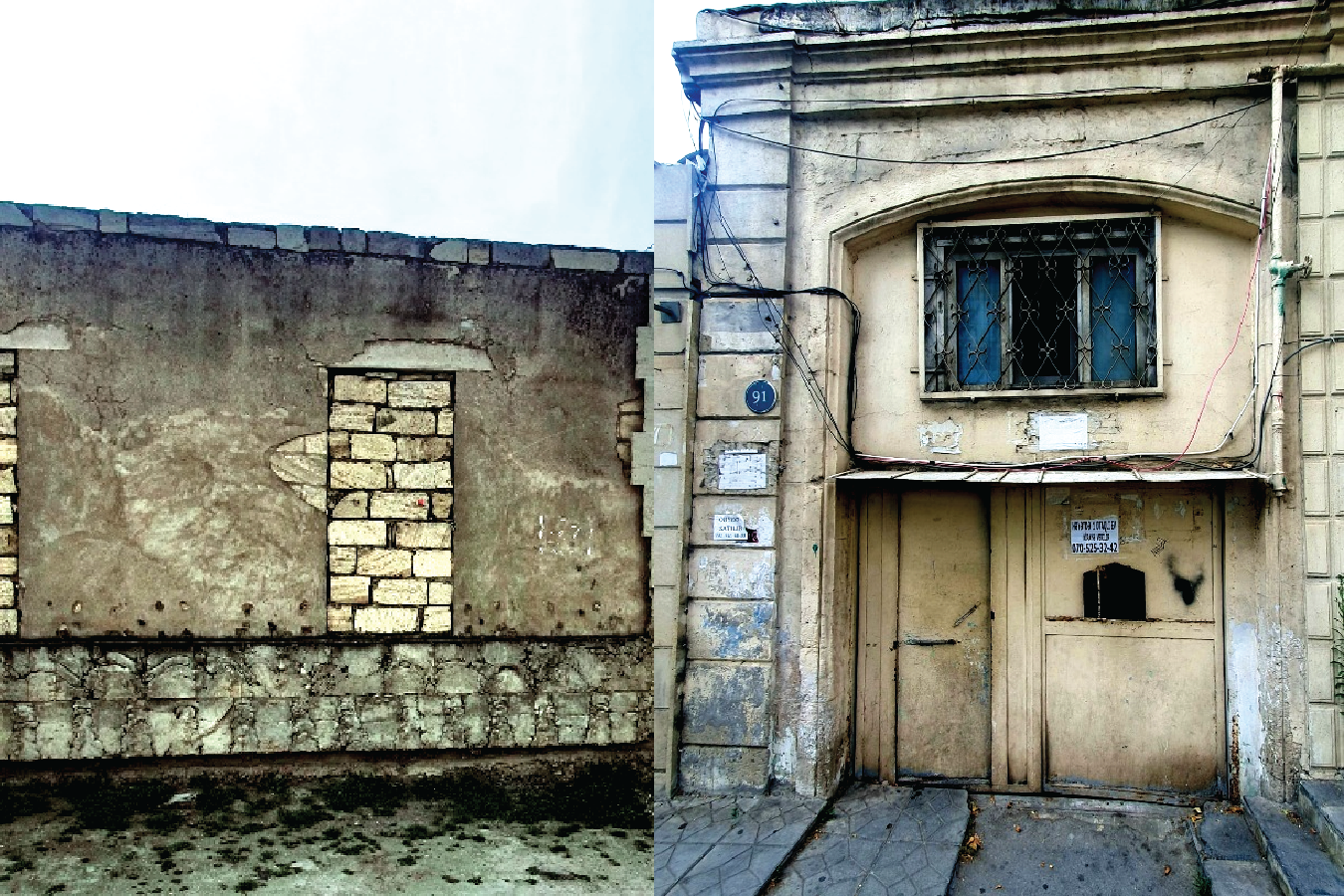
A mix of old and new was observed in this area. Many small villages had to make way for the modern world.
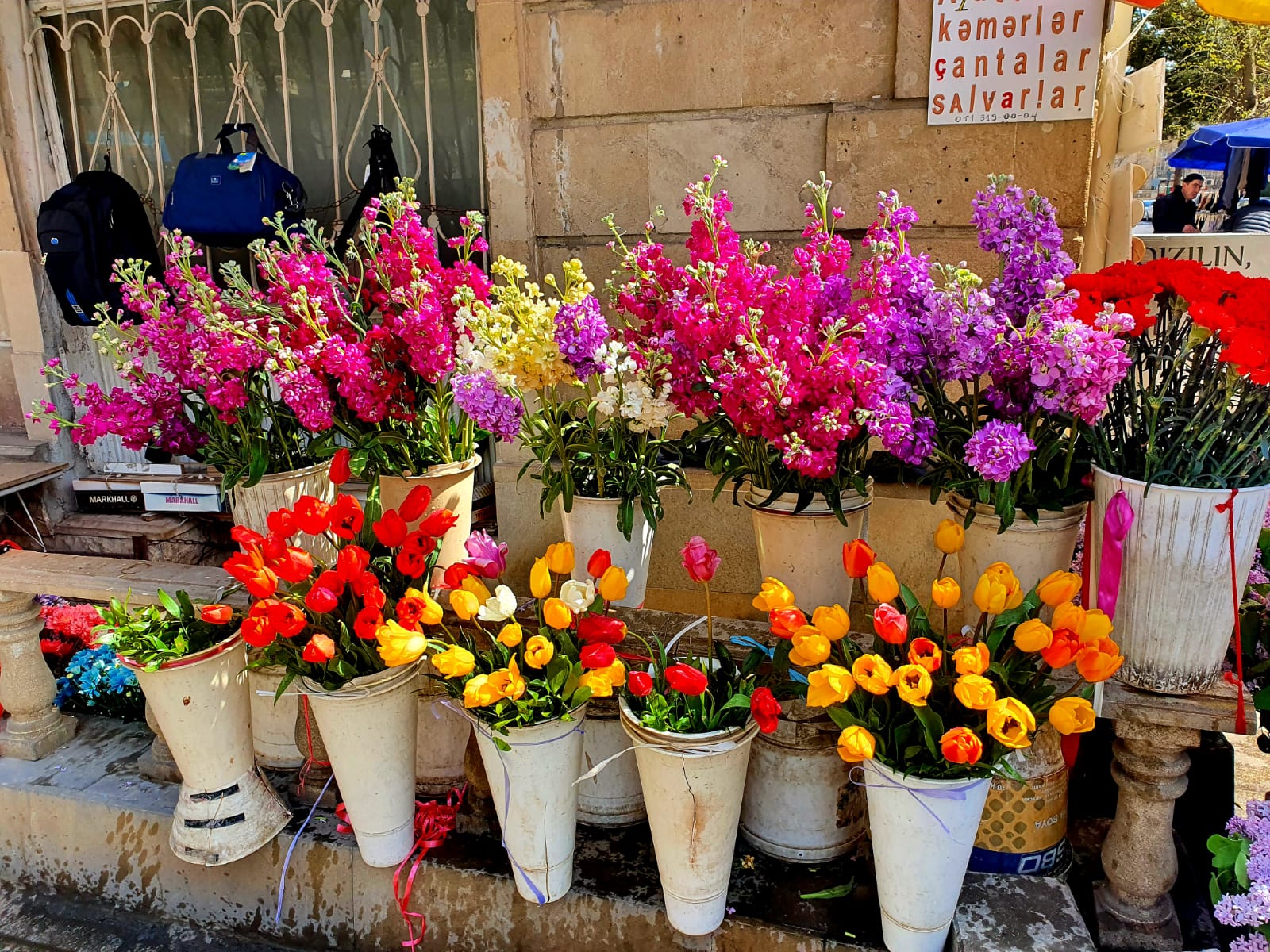
In Azerbaijan, spring carries a secret hidden in the hills: wild tulips. Long before they became the celebrated emblems of Dutch gardens, tulips bloomed freely across these ancient and rugged landscapes. Each year, as winter’s grip loosens, the dry hillsides and alpine meadows erupt into a quiet symphony of color—crimson, gold, and delicate pink petals dancing in the mountain breeze.
This is no orchestrated spectacle, but a spontaneous bloom, largely unseen by the hurried traveler and yet unforgettable to those who wander the countryside with attentive eyes. In regions such as the Absheron Peninsula and the foothills near Ganja, tulips appear like scattered jewels across the earth, a vivid reminder that the story of this flower began not in the flat fields of Europe, but here, in the untamed folds of the Caucasus.
Even in Baku, the capital city, parks and boulevards pay homage to this legacy. Carefully planted tulip beds nod to their wild ancestors, echoing a beauty that once thrived without human intervention. In Azerbaijan, tulips are not merely ornamental—they are a return to origins, a seasonal whisper from the land that gave them birth.