7 Tea Traditions in Azerbaijan
Fourteen countries around the world are recognized for producing tea, and Azerbaijan is among them. China remains the world’s largest producer. In Azerbaijan, the Nilado settlement is historically significant as the first area where tea cultivation began. Mass production commenced in 1936, and by 1937, Azerbaijan had produced its first tea under the Soviet regime. In 1974, Azerbaijani tea gained international acclaim by winning a gold medal at a global tea competition held in Germany. Today, Nilado is known for producing approximately 180 distinct types of tea.
Interestingly, all true teas—whether black, green, white, or oolong—originate from a single plant species: Camellia sinensis. However, the taste and character of tea vary widely depending on environmental factors such as soil composition, climate, altitude, and harvesting techniques.
In this sense, tea is much like wine—each cup reflects the terroir of its origin. Rich volcanic soil can lend body and complexity; higher elevations typically produce a sweeter, more delicate brew; and local humidity levels influence the tea’s aroma.
Thus, the same variety of Camellia sinensis, when grown in China, Sri Lanka, or Azerbaijan, yields markedly different results—each a distinct expression of nature’s signature upon the leaf.
Cooler regions produce slower-growing tea leaves, resulting in more complex and delicate flavors. In contrast, warmer and rainier climates yield leaves that brew into stronger, bolder teas. Even seemingly subtle environmental factors—such as fog, altitude, and seasonal rainfall—can profoundly influence the final aroma, texture, and taste of the cup.
The first harvest, known as the Spring Flush, occurs in early spring when the tea plant awakens from its winter dormancy. These tender young leaves are rich in nutrients and prized for their light, floral notes and subtle sweetness.
The second harvest, or Summer Flush, typically follows in late spring or early summer. These leaves have matured further, producing a deeper, more robust flavor. The resulting brew is often darker and fuller-bodied, ideal for bold teas such as Darjeeling second flush or Assam.
Despite all leaves originating from the same plant (Camellia sinensis), each harvest and even each layer of the plant holds distinct value. Tender top buds may yield premium white or green teas, while lower leaves contribute to heartier black teas.
Whether your tea is grassy and fresh or dark and malty, remember: it is not just a beverage. Each cup is the product of nature’s rhythm, precise timing, and centuries old tradition.
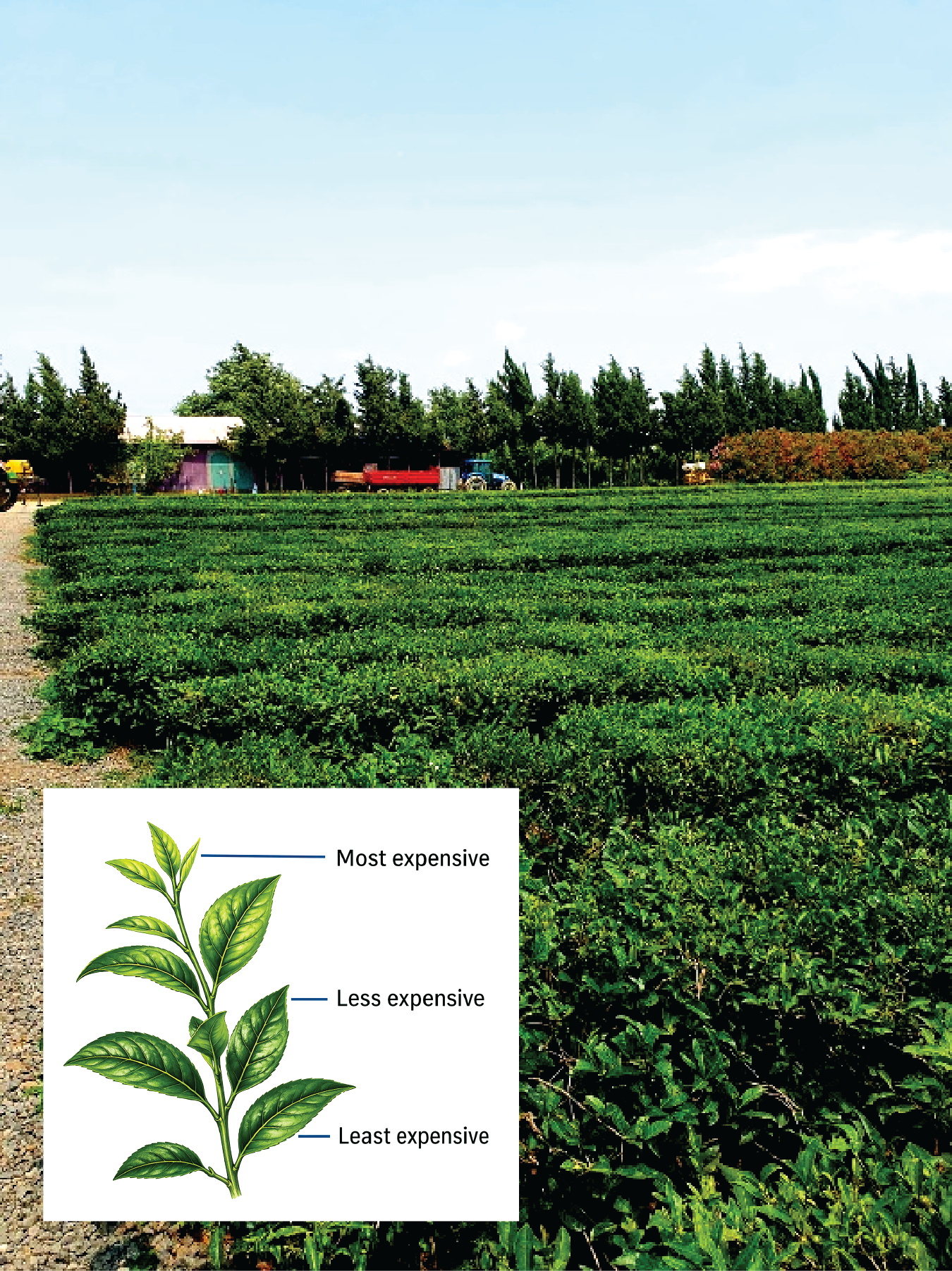
Tea Production
Tea, like wine, possesses a depth of character shaped by the land from which it comes. Connoisseurs of both often borrow shared vocabulary to describe the complexity of taste, aroma, and texture—highlighting the nuanced parallels between these two ancient beverages.
When we first arrived in Azerbaijan, I was not especially fond of tea. Yet, over time, I came to understand that tea is not merely a drink—it is a cultural experience that requires understanding, attentiveness, and a willingness to slow down. In Azerbaijan, tea is more than a beverage; it is a daily ritual, a gesture of hospitality, and a symbol of identity.
Much like wine, the concept of terroir—a French term encompassing soil, climate, altitude, and local cultivation methods—plays a critical role in shaping tea’s unique characteristics. For example, Lankaran tea, grown in the subtropical lowlands of southern Azerbaijan, is distinguished by its rich, humid environment and fertile soil. The result is a tea with a soft, rounded profile and deep aroma, reflecting its origins in every cup.
Other tasting terms borrowed from the world of wine include:
- Body – The weight or fullness of the tea in the mouth. A rich Assam, for instance, has a full body, much like a bold red wine.
- Mouthfeel – The tactile experience on the palate (e.g., silky, brisk, velvety).
- Aroma – Also referred to as the nose, this describes the fragrance of dry leaves, the brew itself, and even the wet leaves. Descriptors include floral, toasty, earthy, or grassy.
- Tannins / Astringency – These polyphenol compounds cause the drying sensation on the tongue, most notable in black teas and certain green teas. Their presence adds complexity and brightness.
Through repeated encounters and careful attention, tea—like wine—reveals its story. From its terroir to its tannins, from aroma to aftertaste, every cup carries the fingerprint of its landscape, its people, and its tradition.
The amount of caffeine in a good tea could be higher than in coffee.
Food Pairing & Tasting Ceremonies
Just as wine is paired with cheese, meat, or desserts, tea can also be paired:
- Green tea with sushi
- Oolong with grilled vegetables
- Pu-erh with dark chocolate or lamb
Nilado Tea Plantation (Lankaran)
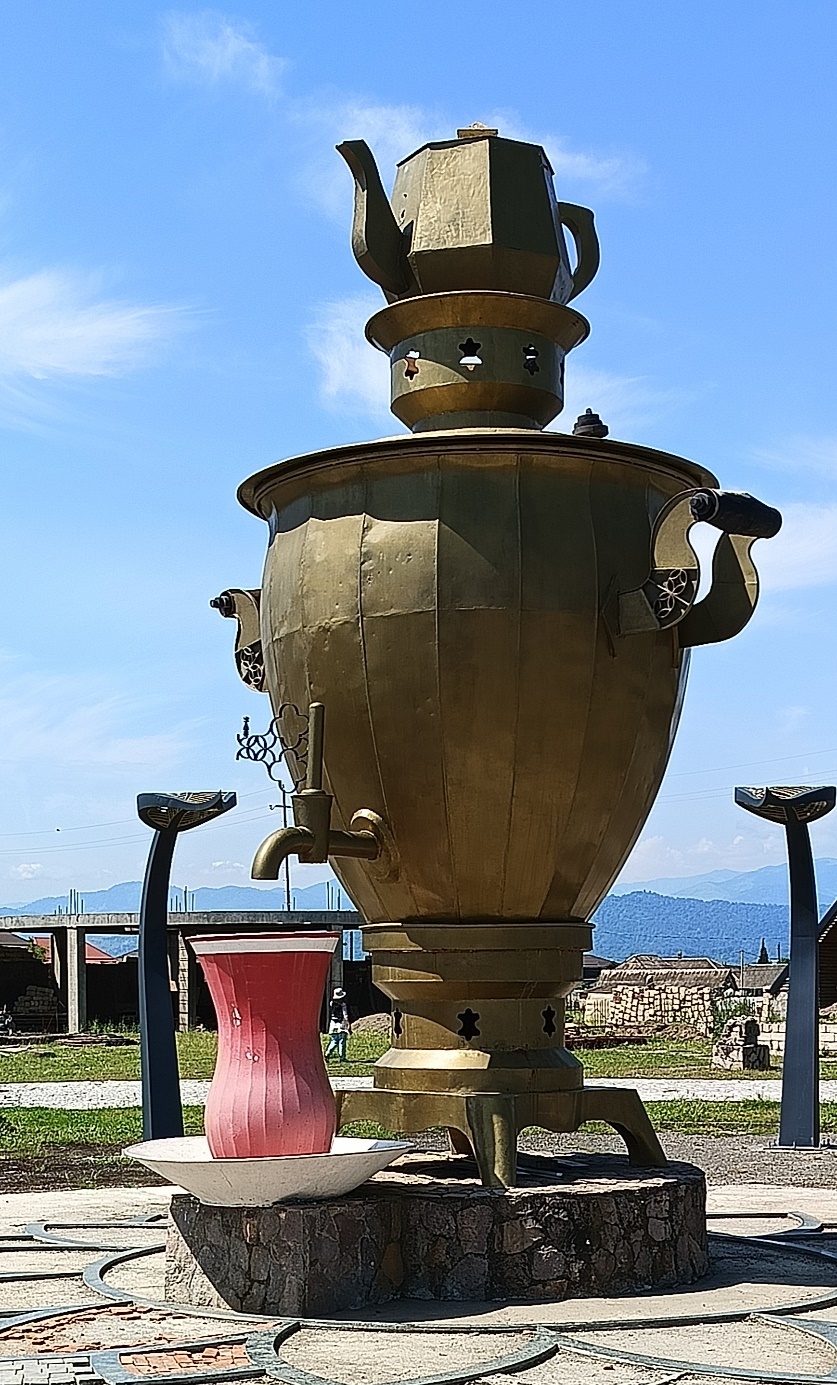
Nestled in the verdant hills of Lankaran, the Nilado tea plantation reveals a distinctive approach to tea production, setting it apart from many others. Though not every technique is openly documented, key elements of the process stand out— guarded, refined, and worthy of quiet admiration.
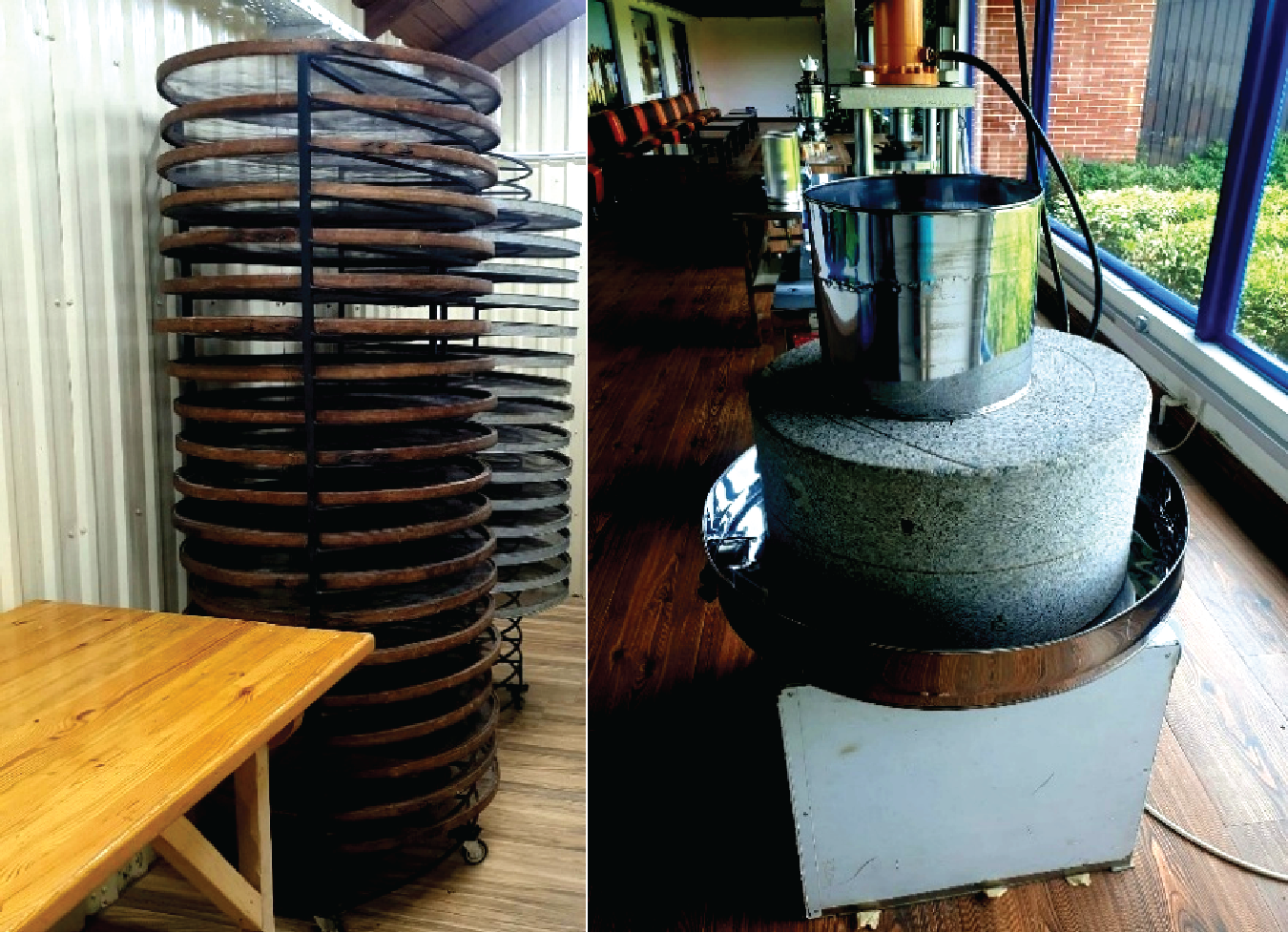
During the drying phase, natural airflow plays a critical role. Air must circulate from beneath the leaves, a detail overlooked in some modern plantations where artificial warming systems dominate. When improperly applied—too hot or for too long—heat can scorch the leaves, degrading amino acids and increasing polyphenol levels. The result: bitterness, astringency, and the loss of essential oils that once carried aroma and sweetness.
Drying takes place in absolute darkness, with leaves gently turned every thirty minutes. Precision defines the rhythm—less than twenty-four hours in total, interspersed with fifteen short breaks. A task not rushed but respected.
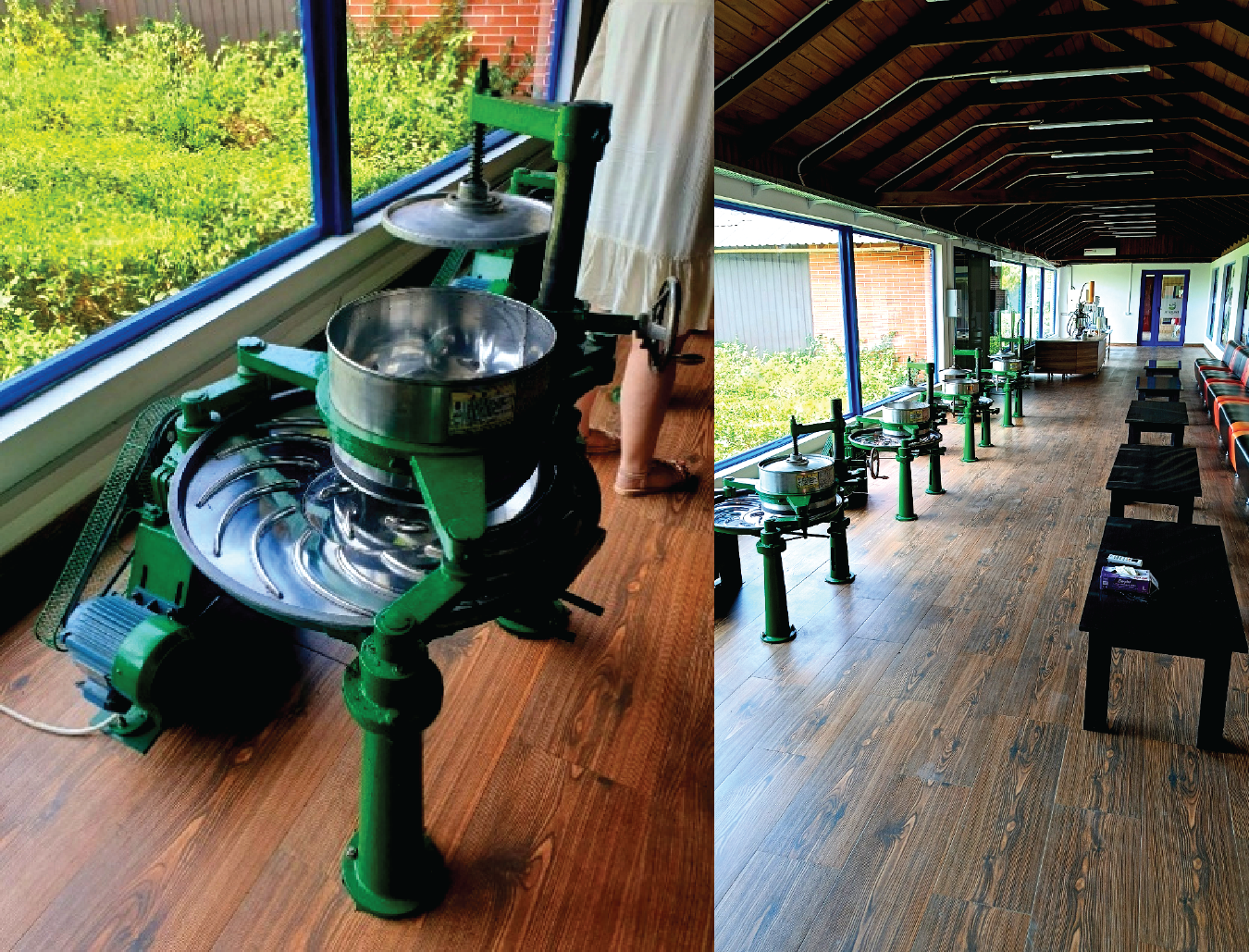
Next comes the rolling—a stage where the leaf begins to acquire its character. Thickness varies, but the essence begins to take shape. In the fermentation chamber, a steady 17°C is maintained, with 90% humidity and a blanket of darkness. Silence reigns here.
The final drying phase lasts approximately fifty-five minutes, transforming green leaves into black tea. A period of rest follows—forty-five days of quiet maturation. Though black tea emerges as the final product, considered by some to be the healthier option, green tea retains its place—best appreciated in moderation, just one cup a day.
Matcha tea comes from the same plant. But the handling process is different.
Coffee, a relatively unfamiliar beverage in Azerbaijan, found its way into the culture through foreign influence.
In local tradition, the tea ceremony carries subtle social cues. A single cup offered to a guest signals that the visit should be brief. In contrast, a full pot placed on the table speaks volumes—hospitality extended generously, and time warmly invited.
The Whispering Tea Gardens of the Talysh Mountains
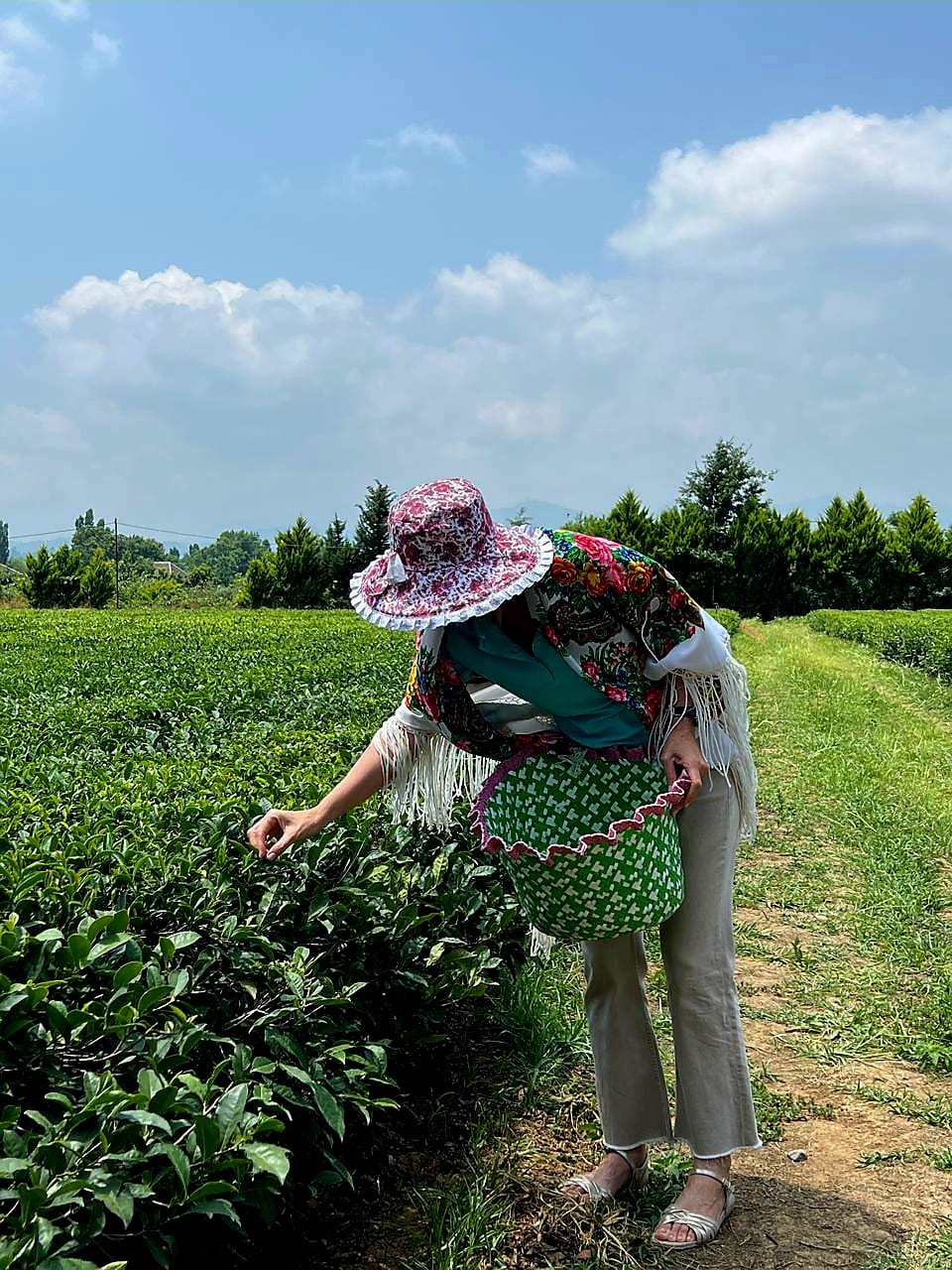
In the verdant, subtropical slopes of the Talysh Mountains, Talysh women have long tended the tea fields, preserving Azerbaijan’s cherished tea traditions through countless generations. Communication among them unfolds not through modern devices or loud calls but by means of age-old bird-call-like whistles and melodic hums. These distinctive sounds, passed down from mother to daughter, ripple softly across the rows, signaling breaks, warnings of lurking snakes, or even playful jokes shared in the quiet rhythm of the harvest.
The Ritual of “First Leaf”
In many Talysh families, a deep belief holds that the first tea leaves picked at dawn possess a special “soul energy,” known locally as can ruhi. These early leaves are never sold; instead, they are reserved for family use or presented to the oldest woman in the household as a mark of respect and a source of strength. Among Azerbaijani people, reverence for elders is profound. Tea brewed from these first leaves plays a central role in healing rituals, often accompanied by traditional Talysh lullabies and poems.
Special Relationship with the Tea Plant
Tea picking among Talysh women reveals more than labor; it embodies a spiritual bond with the land. Before starting the day’s harvest, many women murmur blessings to the bushes. A traditional belief holds that tea plants thrive under gentle hands and kind voices, while hurried or harsh energy is thought to impart bitterness to the leaves.
Talysh Tea Collector traditional clothing Demonstration
How to make tea
- Heat the water.
- Remove from the heat one minute before it starts to boil.
- Pour the water over the leaves.
- Let it stand for 5 minutes
- It is very important that tea should never be boiled.
For a different flavor, a piece of Oregano can be added to the tea leaves.
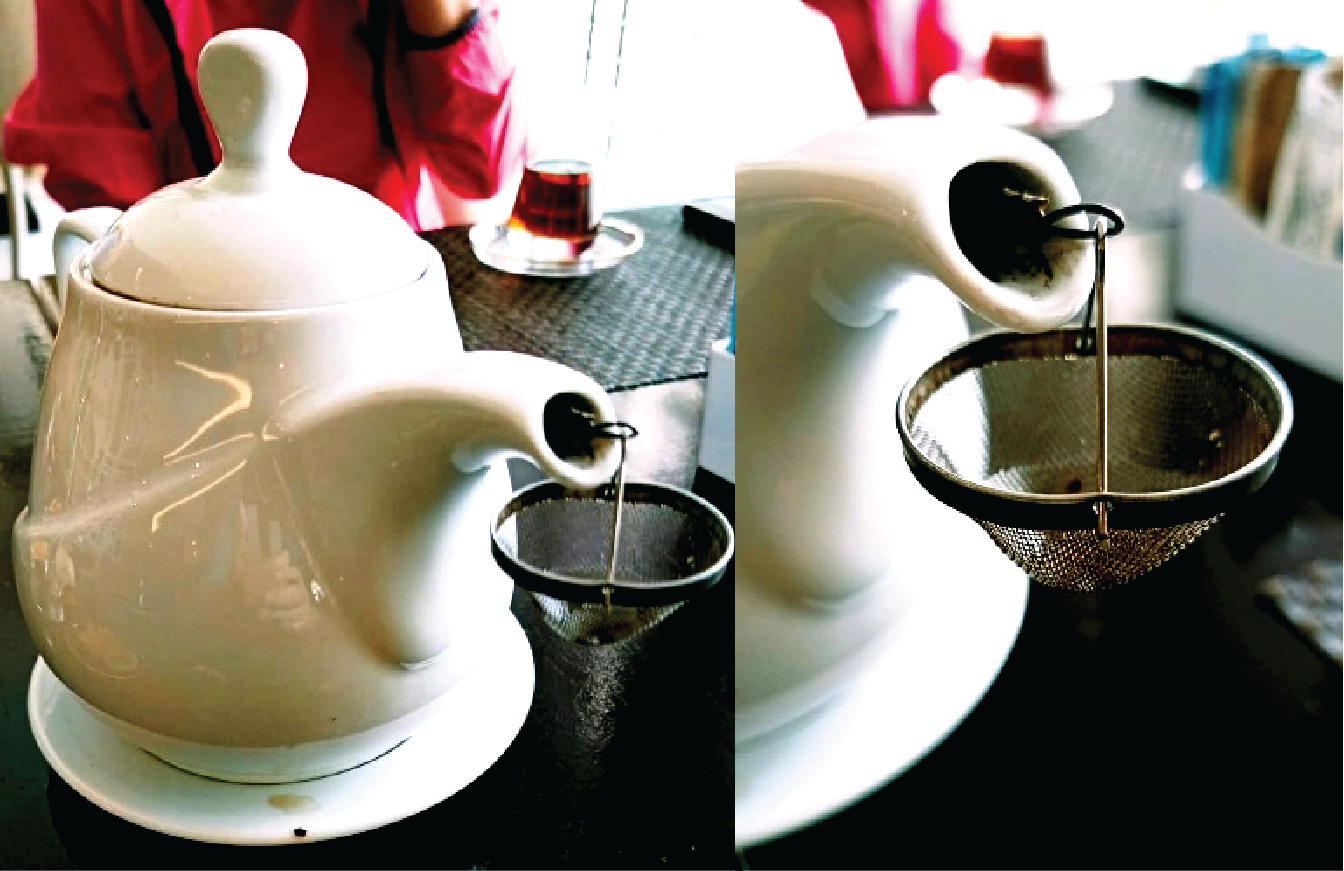
Tea strainers were used in the past.
Black Tea, Preserves , and a Cookie
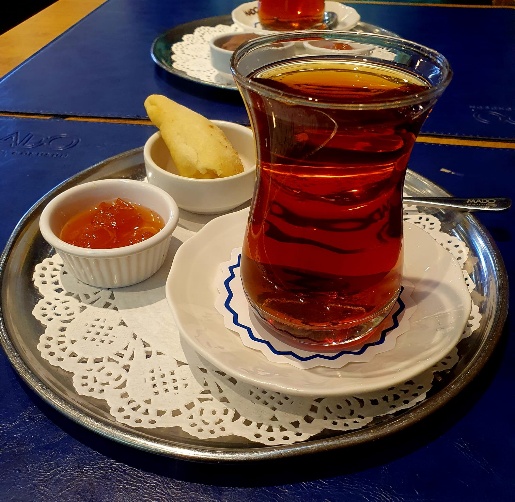
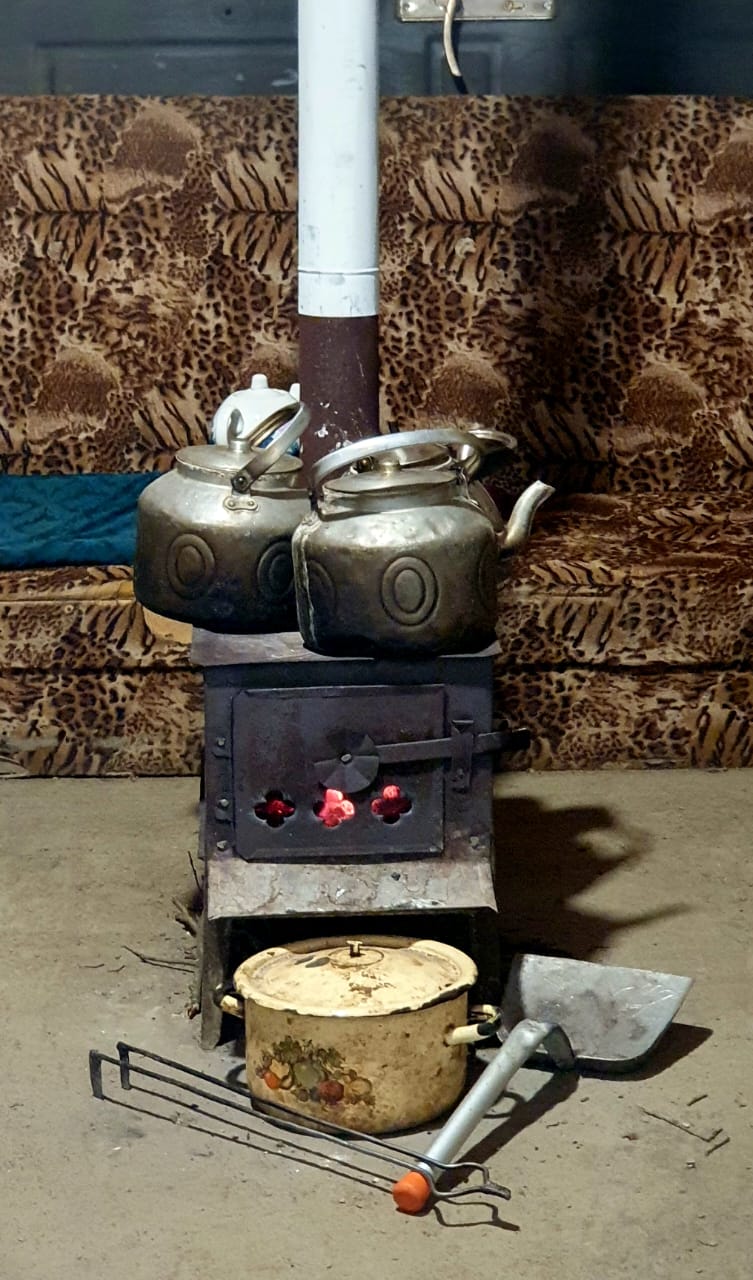
Drinking tea from an armudu is an art.
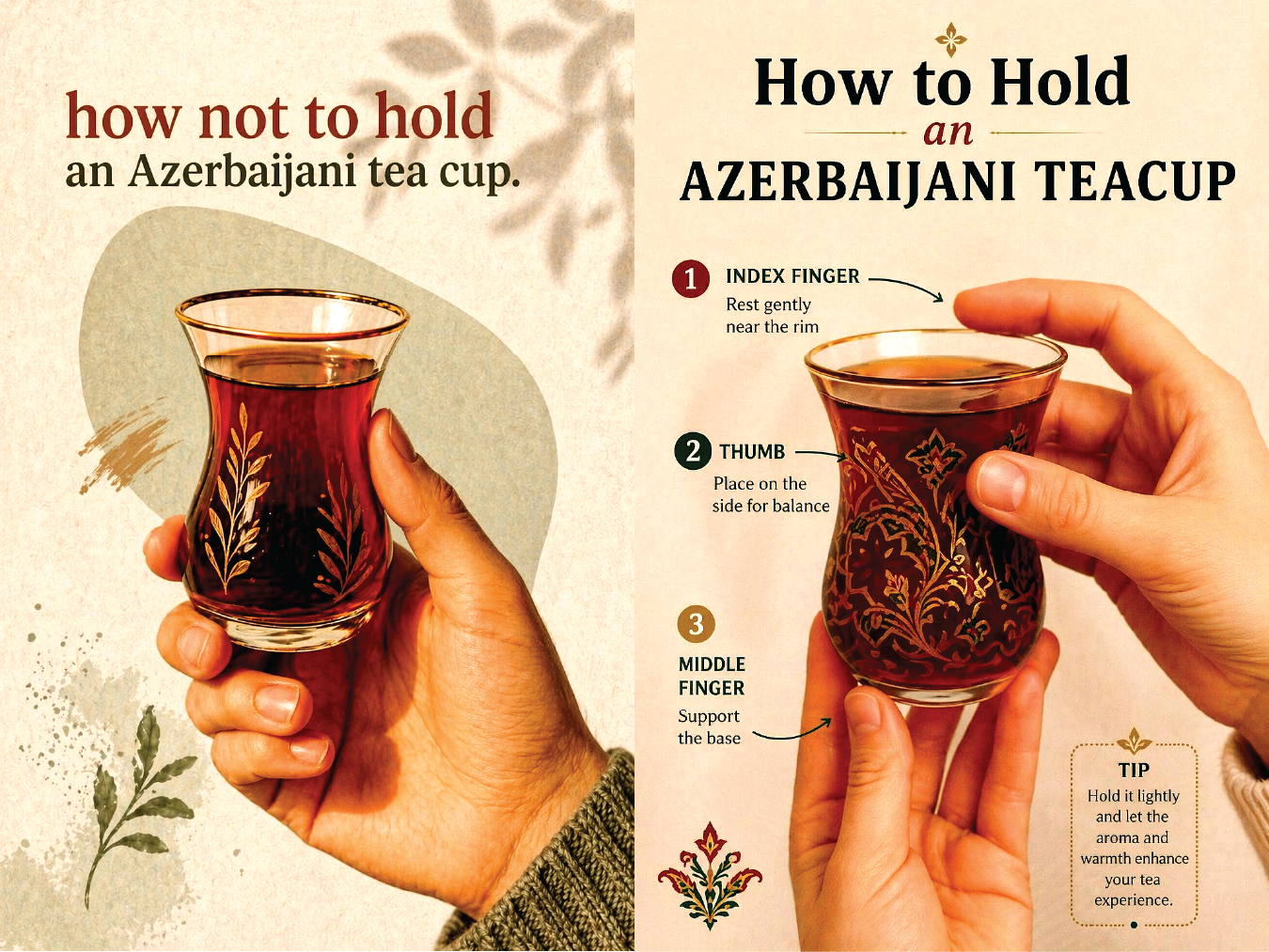
Crucial conversations unfolded during tea ceremonies, where women showcased their talents by preparing a variety of preserves and sweets to accompany the ritual. The simplicity and repetition of Azerbaijani cuisine often made it difficult to pair food with these gatherings. This culinary restraint also explains the absence of elaborate traditional desserts in the region.
Preserves and other elements within a traditional tea tradition
Walnut jam (Qoz Mürəbbəsi), a royal preserve deeply embedded in Azerbaijani tradition, offers an intriguing taste—almost velvety, it slowly glides across the palate. More than mere food, it represents a ritual of patience, care, and honor. The preparation can extend up to ten days, involving the careful removal of bitterness from unripe green walnuts and their infusion in thick sugar syrup scented with cardamom, cloves, and lemon. Traditionally, this glossy, dark brown to black jam is presented to special guests alongside a glass of tea, and graces wedding tables or Novruz celebrations. Often called “black gold” for its rich color and complexity, the jam’s making is known to be labor-intensive, deterring many from attempting the process firsthand.
Olive jam (zeytun mürəbbəsi) emerges as a rare and intriguing delicacy, found mostly in the southern regions of Azerbaijan—particularly Lankaran and Astara. The subtropical climate there nurtures olive groves alongside citrus and tea plantations. Unlike its Mediterranean counterparts, this jam is crafted from young green olives, which undergo multiple rounds of boiling and soaking to remove their natural bitterness. The olives are then candied in a thick syrup infused with cardamom, cloves, cinnamon, and a subtle touch of lemon juice or zest. The result is a warm, aromatic sweetness that perfectly balances the olives’ faintly briny undertone.
In some Talysh households, olive jam appears only on special occasions or when esteemed guests arrive. Presented alongside black tea in traditional armudu glasses, it often accompanies fig or walnut jam, symbolizing refined hospitality. The preparation mirrors that of walnut jam, requiring several days of soaking, blanching, syrup-making, and meticulous bottling. Regarded as a luxury, olive jam is typically homemade or found at upscale local markets and roadside stalls near citrus farms. Folk medicine attributes digestive benefits to the jam and claims it balances the body’s heat, with elders recommending it during colder months to “warm the blood.”
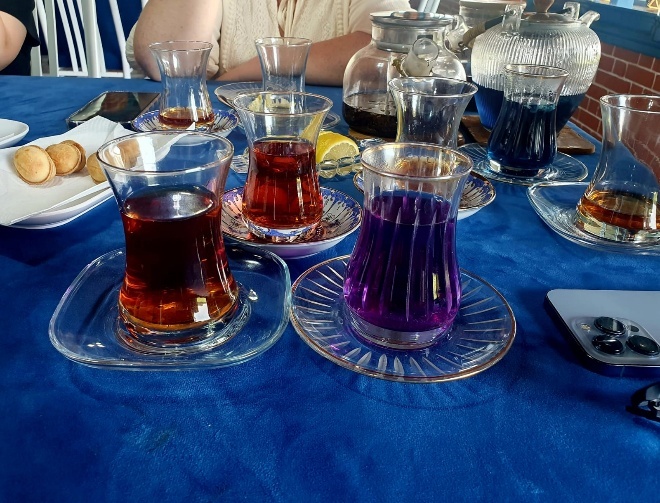
A local once remarked, “Every tea has its own thickness.” This phrase unfolds as a rich metaphor deeply woven into the cultural fabric of Azerbaijan, Turkey, and Iran, where tea—çay—is far more than a simple drink; it is a way of life.
Varieties of tea—black, green, oolong, herbal—each present distinct strengths, colors, and textures. Even the same tea changes in thickness depending on brewing time: the longer the steep, the stronger and more concentrated the brew. In Azerbaijani tradition, a thicker tea signifies hospitality and respect. Serving strong tea conveys sincerity, while a weaker brew may hint at distance or formality.
Beyond the cup, the phrase carries a deeper meaning: every person, relationship, or situation possesses its own depth and complexity. Much like tea, people and experiences resist quick judgment. Some are bold and robust like thick black tea; others are delicate and subtle like floral herbal blends. Each demands understanding and patience, for emotions have weight, conversations can be thick with meaning, and every story carries its own unique flavor.