8 People of Azerbaijan
The people of Azerbaijan present truly fascinating features—faces that seem to carry stories, reminiscent of portraits by artists such as Modigliani and Moïse Kisling. Coming from a more individualistic culture, adapting to Azerbaijan’s collective mindset proved a profound learning experience. Here, the group—family, community, workplace—takes precedence over individual desires. Family loyalty, group harmony, and respect for elders are not mere values but are intricately woven into daily existence.
One small but striking cultural detail is the closeness observed in queues. Initially perceived as intrusive, it gradually reveals itself as a natural aspect of a culture where personal space is less guarded. Perhaps the most vivid illustration of this collectivism emerges during peak hours on the Baku metro, where polite waiting gives way to a shared, unspoken struggle to secure a place or exit before the doors close. Survival in the metro feels like a collective endeavor.
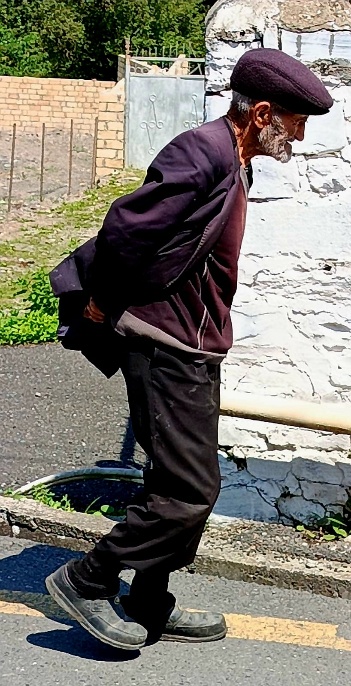
Beneath these moments of physical competition lies a social fabric grounded in hospitality, mutual support, and loyalty. A quiet humility pervades the expressions of the people, with genuine warmth apparent from the moment of arrival. Hospitality runs deep; declining offered food or tea is often considered impolite. The respect for tradition is also reflected in attire—men wearing suits even while tending vegetable gardens, and both genders sporting socks with open-back slip-on shoes, a distinctive local style.
What sets Azerbaijani people apart is their warmth and sincerity. Genuine humility and readiness to assist others are common traits. Simple greetings in the native language can light up faces with broad smiles, softening even the most serious countenances. Baku itself is a city of striking contrasts: a makeshift rickshaw carrying a family passes a Bentley gliding down the same street. Tradition and modern luxury coexist seamlessly, crafting an atmosphere at once authentic and surprising.
Traces of Soviet-era culture persist in daily life. Caution towards new technologies and preference for paper-based processes remain widespread. A conservative lifestyle endures, especially beyond the major cities. Decades of centralized governance have left an imprint—a mindset where external authority often seems necessary to prompt action, reflecting the legacy of a directive system long past.
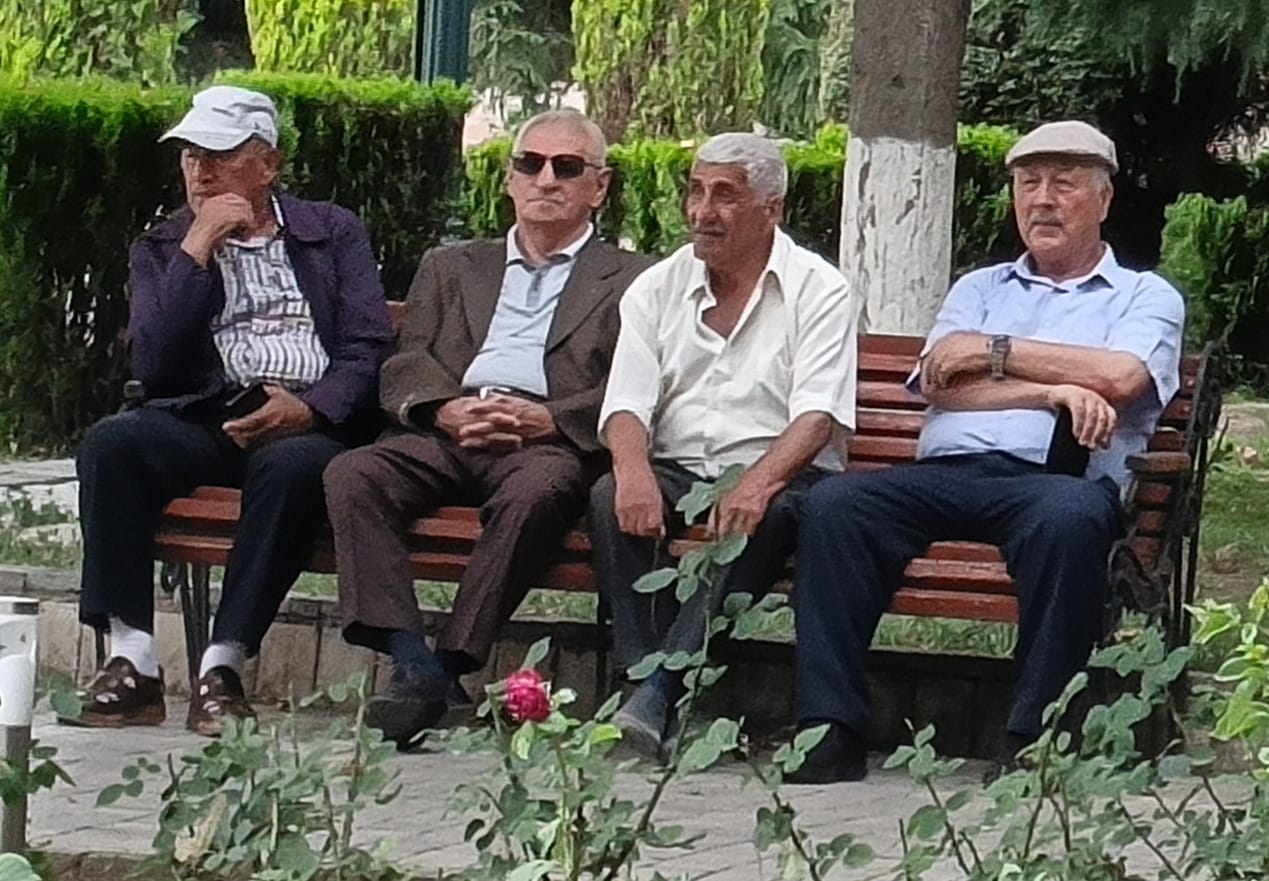
In the tight-knit Azerbaijani community, everyone seems bound by invisible threads—friends of friends, distant relatives, classmates of siblings. Conversations with strangers begin not with small talk, but with pointed questions: “Who is your father?” or “Where did you go to school?” Within moments, a connection surfaces, bridging lives through shared acquaintances.
Formal documents reflect this cultural closeness through the patronymic system. Rather than using the father’s surname, the father’s first name is inserted between the given name and the family name, modified slightly to signal son or daughter. In a land where names often repeat across generations, this small addition carries great weight—offering both identity and distinction in a sea of familiar names.
For example:
- If your father’s name was Rudolf and you are a woman, your name would appear as Wonda Rudolfqızı Grobbelaar, which means “Wonda, daughter of Rudolf, Grobbelaar.”
- If you were a man, it would be Rudolfoğlu instead of Rudolfqızı.
This simple tradition connects each person to their family, and it remains in use today in official situations across Azerbaijan.
In Azerbaijan, cooking over an open fire carries a meaning beyond nourishment. Animal fat is poured onto the flames to create smoke, which is then carefully waved onto the body. This subtle ritual signals to neighbors that a meal has just been enjoyed. Tradition holds that if the scent of kebab reaches a neighbor, sharing some kebabs is not just polite, but expected.
Hospitality unfolds long before arriving at a home. One morning near a metro station, a couple moved quietly through the crowd—no bags in hand, only a bag of fresh ingredients and a large cooking pot carefully carried. Their destination was not empty-handed; it was to share a meal and a moment with family and friends.
On the metro, the pot rested between the man’s feet as the city rushed by outside. This simple scene revealed much about Azerbaijani culture: cooking together is an act of welcome, a conversation starter, and a gesture of connection that begins well before the first bite.
Ribbons tied to the front gates of Azerbaijani village homes catch the eye — simple yet striking symbols that communicate silently. A local’s explanation reveals their meaning: a red ribbon heralds upcoming weddings, signaling joy and celebration in the household. Black and red ribbons, however, mark the sorrowful loss of a young life, while green ribbons honor the passing of an elder, a respectful tribute to a full life. These ribbons form an unwritten village code, a visual language that binds neighbors through shared emotion and tradition.
Compulsory military service applies to men based on education: one year if university attendance is completed, or one and a half years without a degree.
When gold deposits were found, foreign employers sought local labor for the mines. The villagers, however, preferred their agrarian lifestyle and showed little interest in mining for wages. Only after foreigners introduced exquisite German jewelry did women desire these treasures, prompting men to work for pay to fulfill such wishes.
Hospitality
Accommodation in Azerbaijan rarely serves merely as a place to sleep; it often becomes part of the narrative itself. Grand Soviet-era hotels, draped in velvet curtains and adorned with colorful wallpaper, whisper echoes of a bygone era. In contrast, quirky family-run guesthouses offer breakfasts accompanied by homemade jam and local gossip, each stay revealing its own unexpected charm. Star ratings frequently defy expectations—a “four-star” hotel might boast gold-trimmed furniture yet lack hot water, while a humble “two-star” inn extends royal treatment through warm tea and heartfelt hospitality. Bedding sizes often prove irregular. Here in the Caucasus, comfort resides not in uniform luxury but in subtle gestures: a smiling host lending slippers or a rooftop view that arrests the breath. Booking a bed becomes stepping into a new chapter.
A defining element of experience in Azerbaijan is the manner in which foreigners are welcomed as honored guests rather than mere staff. Invitations to the best seats at events, front-row placement at concerts, and warm smiles transform formal meetings into genuine moments of hospitality. Spontaneous arrangements of translators ensure that nothing is missed and ease is preserved. This hospitality is not founded on luxury but on heartfelt kindness—an unassuming form of royalty that enriches the journey, grounded in sincere welcome rather than pomp.
Beautiful People of Azerbaijan
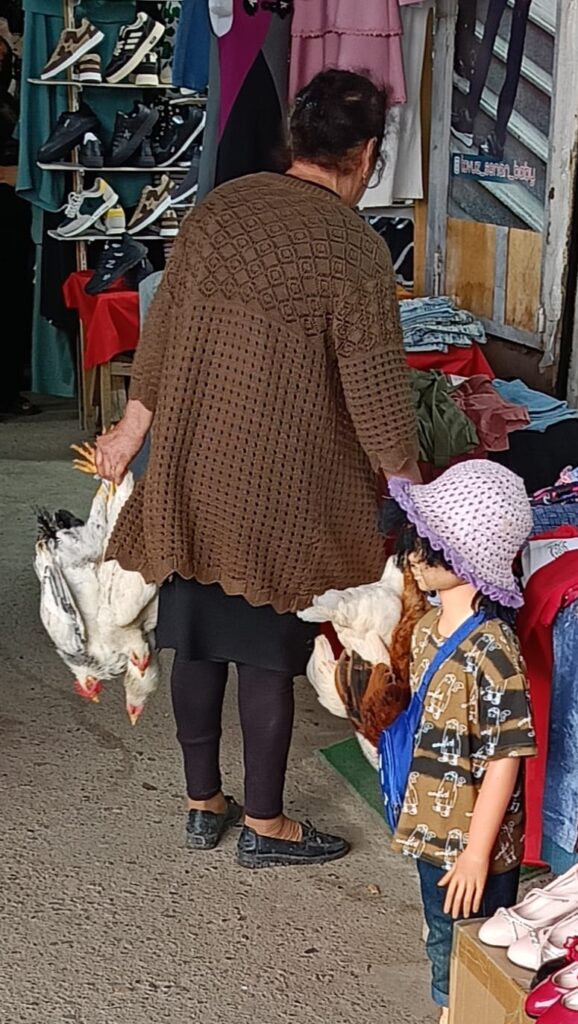
Azerbaijan reveals a kaleidoscope of colors—a visual symphony unfolding not only in its landscapes and architecture but also through the daily attire of its people. Women move gracefully in brightly patterned dresses that feel both timeless and uniquely inventive. Delicate lace-trimmed socks tucked into glittering sandals or shoes embroidered with floral motifs offer a striking contrast rarely seen beyond these borders.
Scarves appear both casually draped and meticulously pinned, while even the most utilitarian garments bear a distinct personal touch—bold prints, shimmering fabrics, and layered textures weaving together modesty and individuality. This vibrant street style narrates stories of heritage, identity, and quiet confidence, reflecting a fashion that transcends fleeting trends to embody the enduring cultural rhythms stitched into every ensemble.
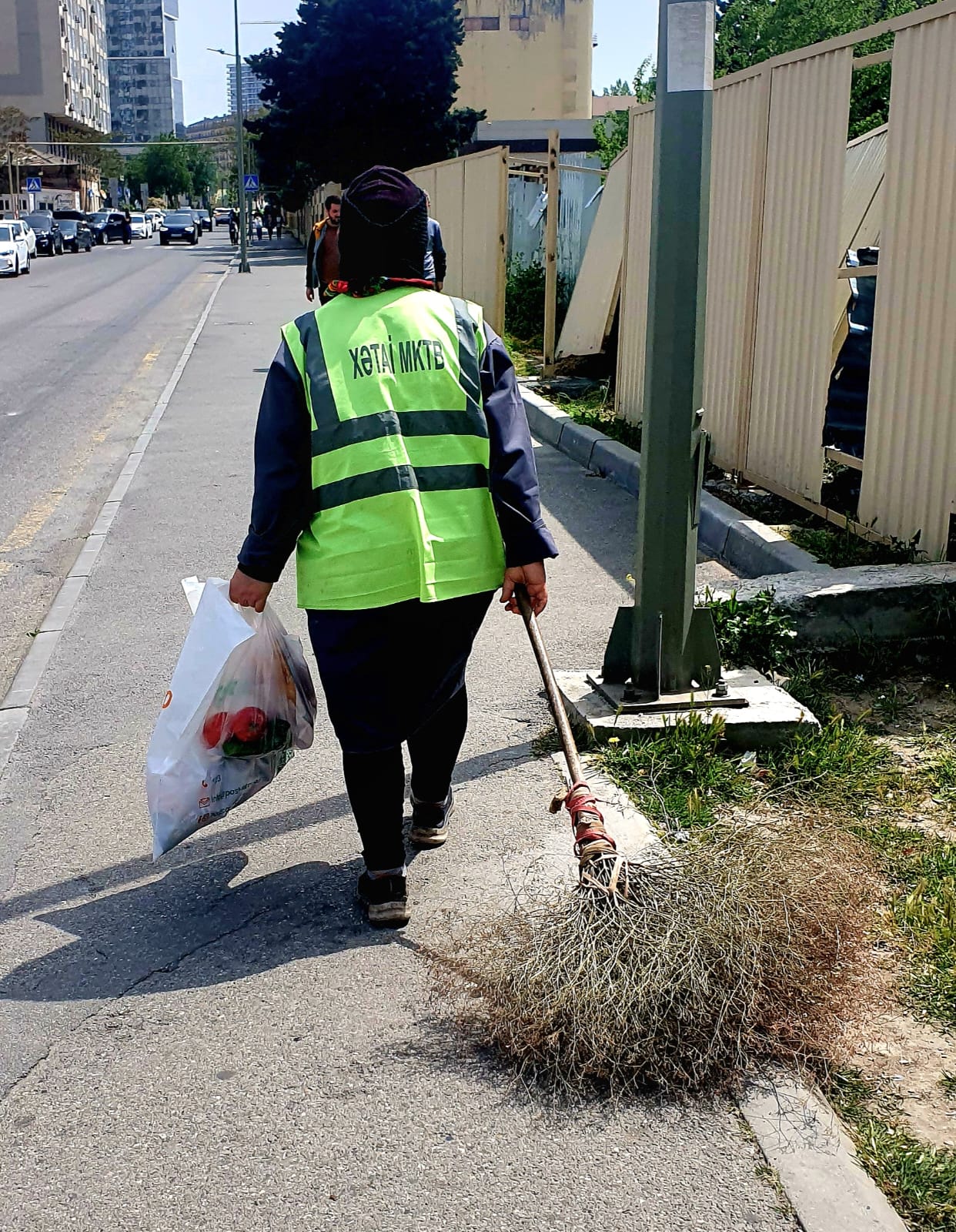
In the early morning hours, quiet dedication unfolds along the streets as women sweep with handmade grass brooms, creating a scene both humbling and poetic. Long before the city awakens, rhythmic, deliberate movements take shape, colorful scarves tied tightly against the dawn breeze. A dignity resides in this task, a silent pride in leaving each road, sidewalk, and corner spotless for the day ahead. Often unnoticed by later passersby, these women stand as guardians of order and beauty—a reminder that cleanliness here transcends mere chore, embodying community care and cultural respect. The gentle sound of broom bristles brushing pavement weaves into the morning song of Azerbaijan, a quiet devotion to the place called home.
The handmade grass broom itself emerges as one of the most striking symbols of early morning life in Azerbaijan. Crafted from natural dried grasses tightly bound without plastic or metal, this humble yet iconic tool reflects age-old traditions valuing simplicity, sustainability, and function. Unlike industrial brooms, its flexible design sweeps over uneven surfaces—cobbled alleys and dirt roads alike—perfect for the varied terrain of villages and historic city neighborhoods. While similar brooms exist across Central Asia and the Caucasus, Azerbaijan maintains this practice with distinct pride. The sight of a woman skillfully wielding this broom at dawn is more than routine; it is a quiet act of heritage, connecting past and present in a rhythm as timeless as the land itself.
Birth of a Child
In Azerbaijan, the arrival of a newborn is marked by vibrant celebration and unmistakable joy. Cars are adorned with colorful balloons, ribbons, and cheerful stickers as they travel from the hospital, transforming the journey home into a festive procession. Often, messages like “Hoş gəldin” (Welcome) or “Xoşbəxt böyü” (Grow up happily) are displayed, sharing the family’s happiness with the community and announcing the newborn’s arrival in a heartfelt, public way.
Weddings carry their own rich customs. When a young man meets the family of his prospective bride, the offering of tea holds special significance. If tea is served, it signals acceptance and goodwill toward him and his family. Monetary gifts are the tradition at weddings, recorded meticulously in a book that tracks contributions. Guests consult this record when attending future weddings, returning gifts with interest as a social investment. Giving less than what was received is considered haram, underscoring the importance of maintaining respect and balance in these exchanges.

Funeral
Funerals in Azerbaijan unfold through deeply rooted traditions, where Islamic customs intertwine with enduring cultural practices. Mourning commences immediately after death, as family and neighbors gather at the home of the deceased. Women often express grief through wailing, while neighbors and relatives bring food, relieving the immediate family of cooking duties. Communal meals play a symbolic role, with plov (rice pilaf) frequently served, emphasizing the significance of sharing even in times of sorrow.
Memorial days hold particular importance, marked by prayers and meals on the third, seventh, and fortieth days after death. The fortieth day carries special meaning, believed to signify the soul’s transition. Within the home, mirrors may be covered or turned away, reflecting the belief that the soul could become trapped in reflective surfaces.
At the funeral, men and women traditionally remain separate. Men participate in the burial, carrying the coffin and performing graveside prayers, while women stay at home or in a designated space. Custom dictates that women avoid visiting the grave during the first forty days after burial, as visible grief is thought to disturb the soul. Following this period, visits to the grave during commemorative prayers become acceptable.